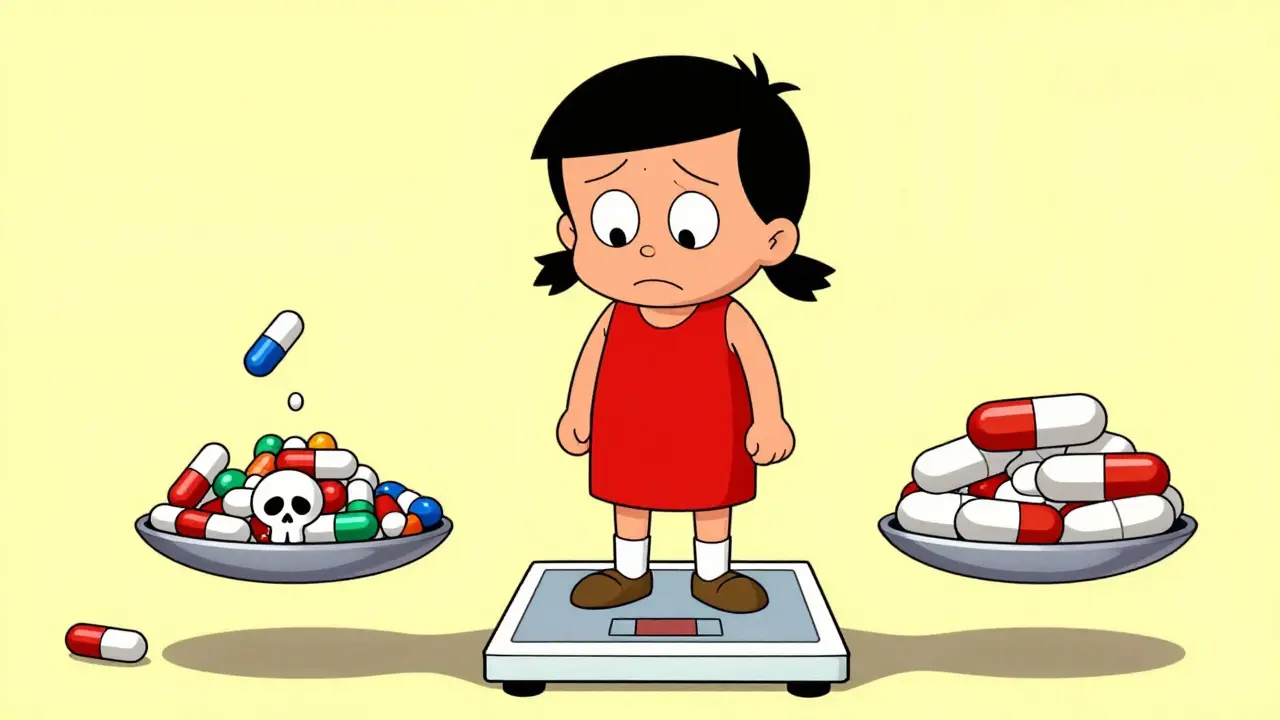
Opioids pose serious risks like addiction and overdose. Non-opioid alternatives often provide safer, equally effective pain relief. CDC guidelines now prioritize non-opioid treatments for chronic pain. New FDA-approved options like Journavx offer safer choices. Learn evidence-based strategies for safer pain management.
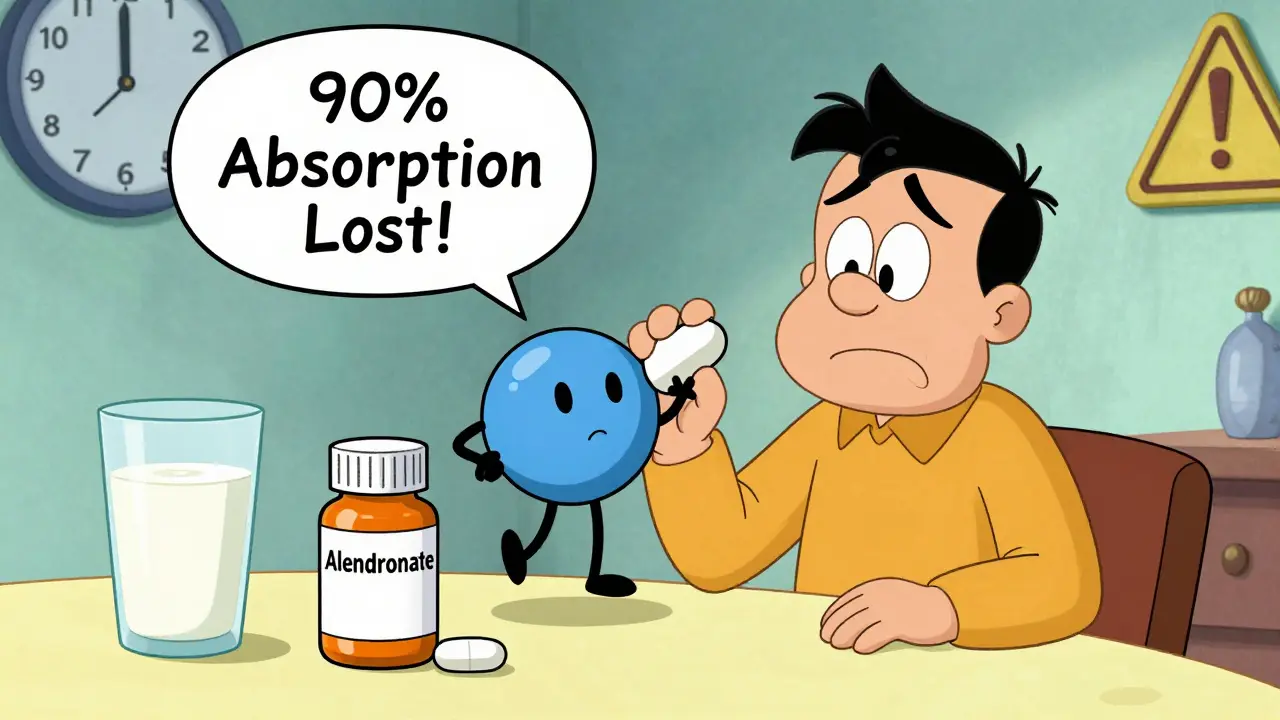
Bisphosphonates and calcium supplements can cancel each other out if taken too close together. Learn the exact timing rules to make your osteoporosis treatment work-and what to do if you’ve been doing it wrong.
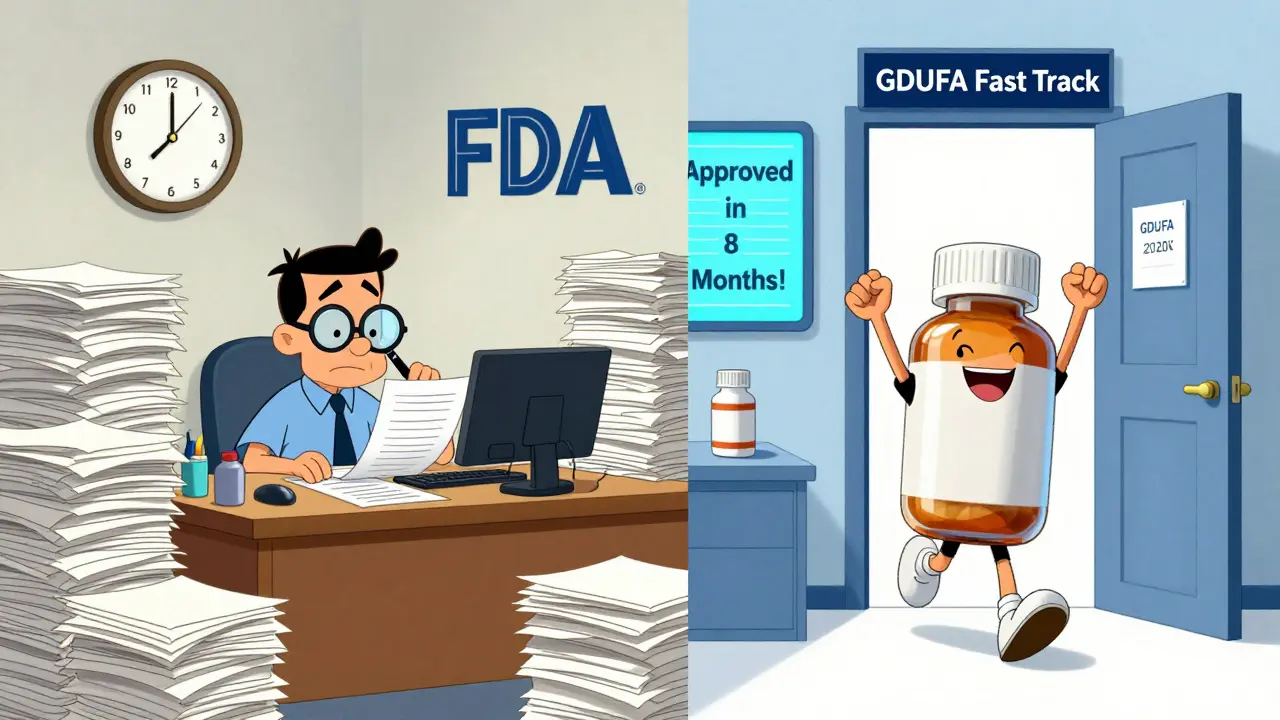
GDUFA is a U.S. law that lets the FDA collect fees from generic drug makers to speed up approval of affordable medications. Since 2012, it has slashed review times, reduced backlogs, and saved patients billions.
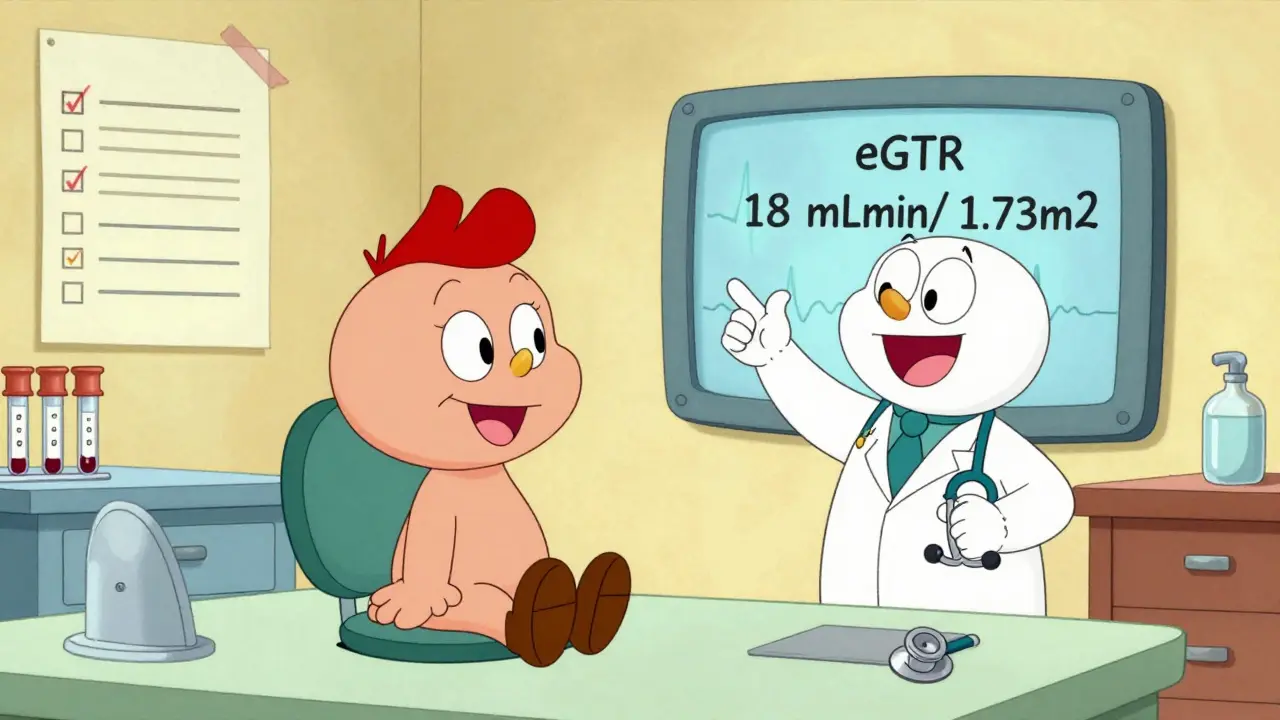
Learn how kidney transplant evaluation works, what gets you on the waitlist, how living donors speed up the process, and how to avoid common pitfalls that delay or block your transplant.
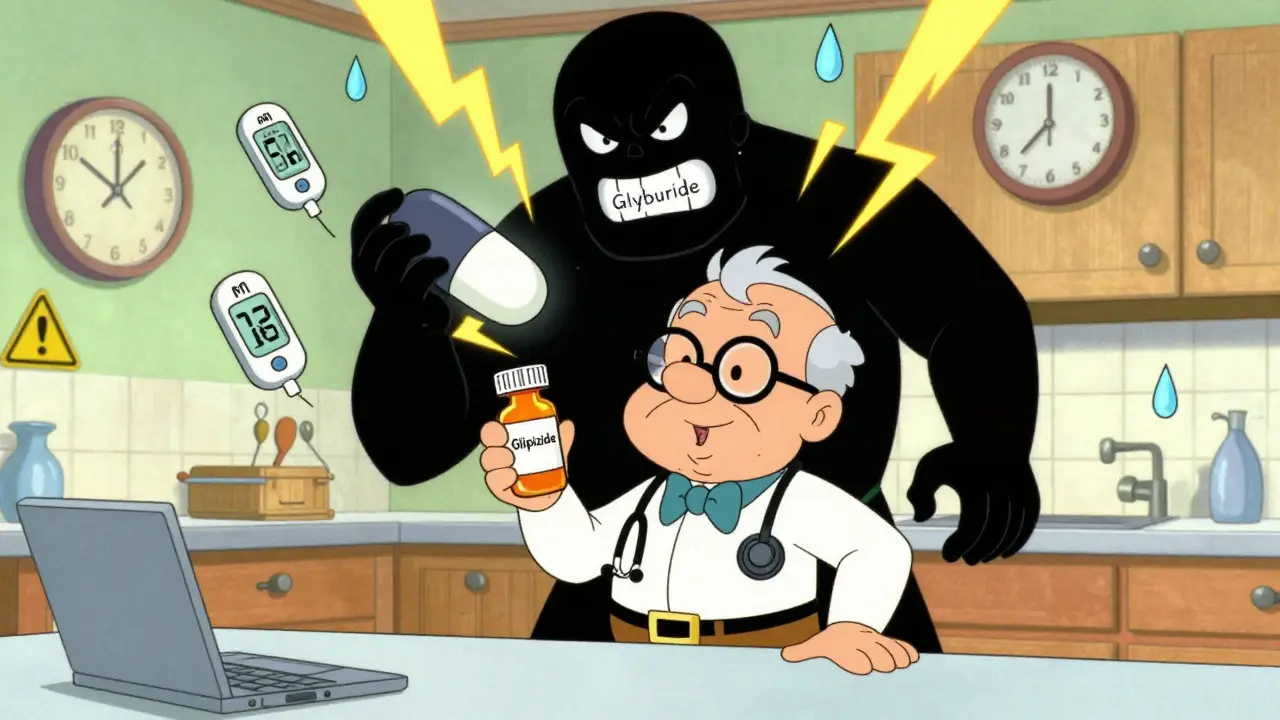
Not all sulfonylureas are the same. Glipizide has far lower hypoglycemia risk than glyburide, especially for older adults and those with kidney issues. Learn which sulfonylurea is safest and how to use it wisely.
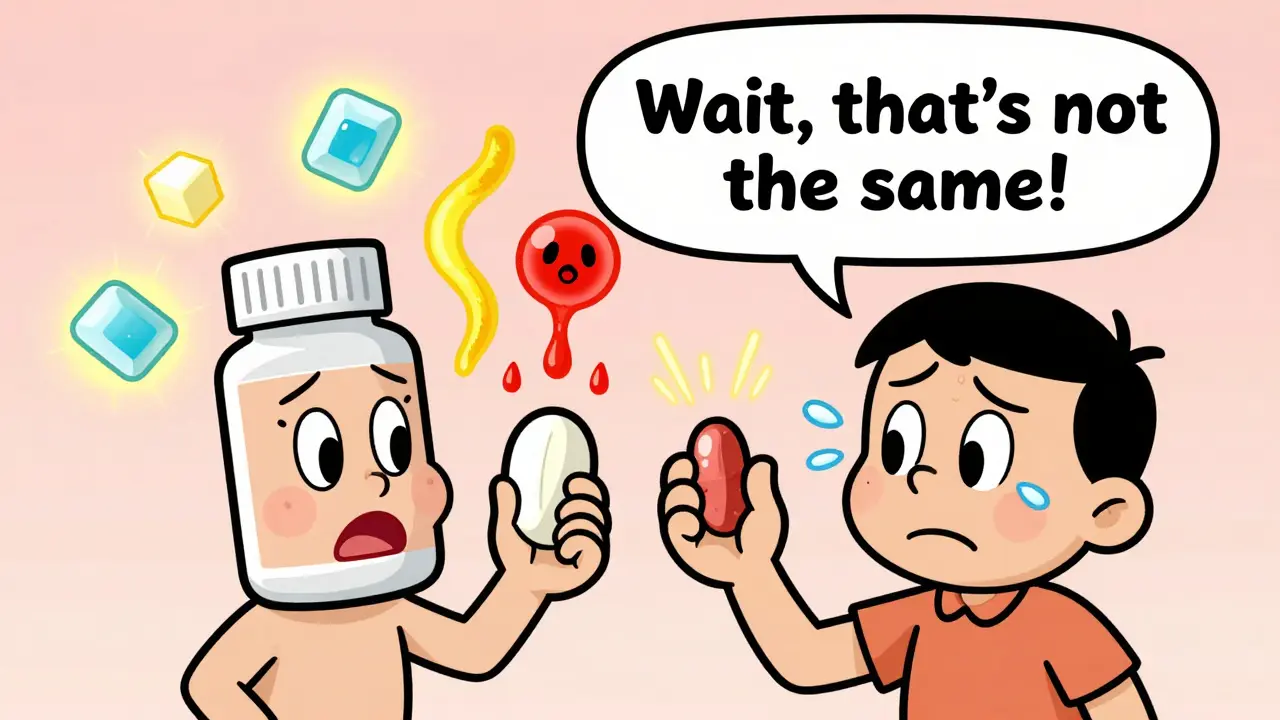
Generic medications can cause allergic reactions due to different inactive ingredients like lactose, gluten, or dyes - even if the brand-name version was safe. Learn when to seek emergency care and how to protect yourself.
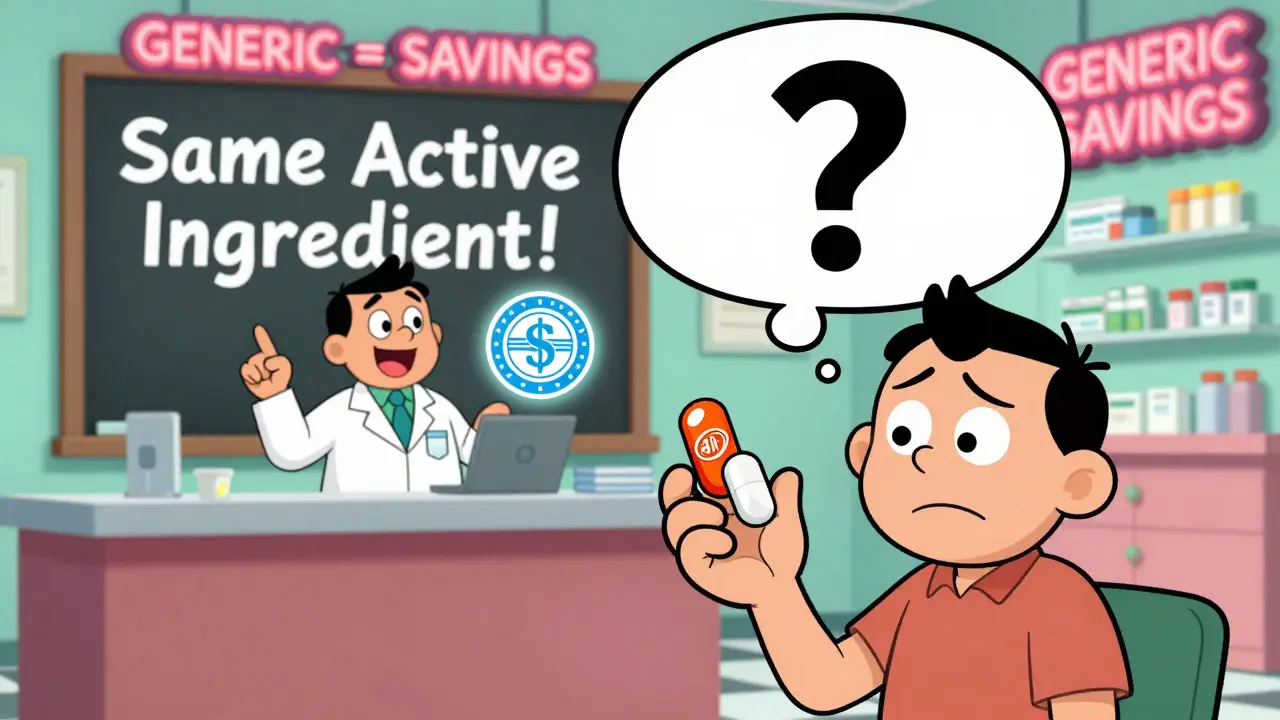
Patients often doubt generic medications-even when they’re scientifically identical to brand names. This article explores why perception, not chemistry, drives satisfaction-and how communication can bridge the gap.
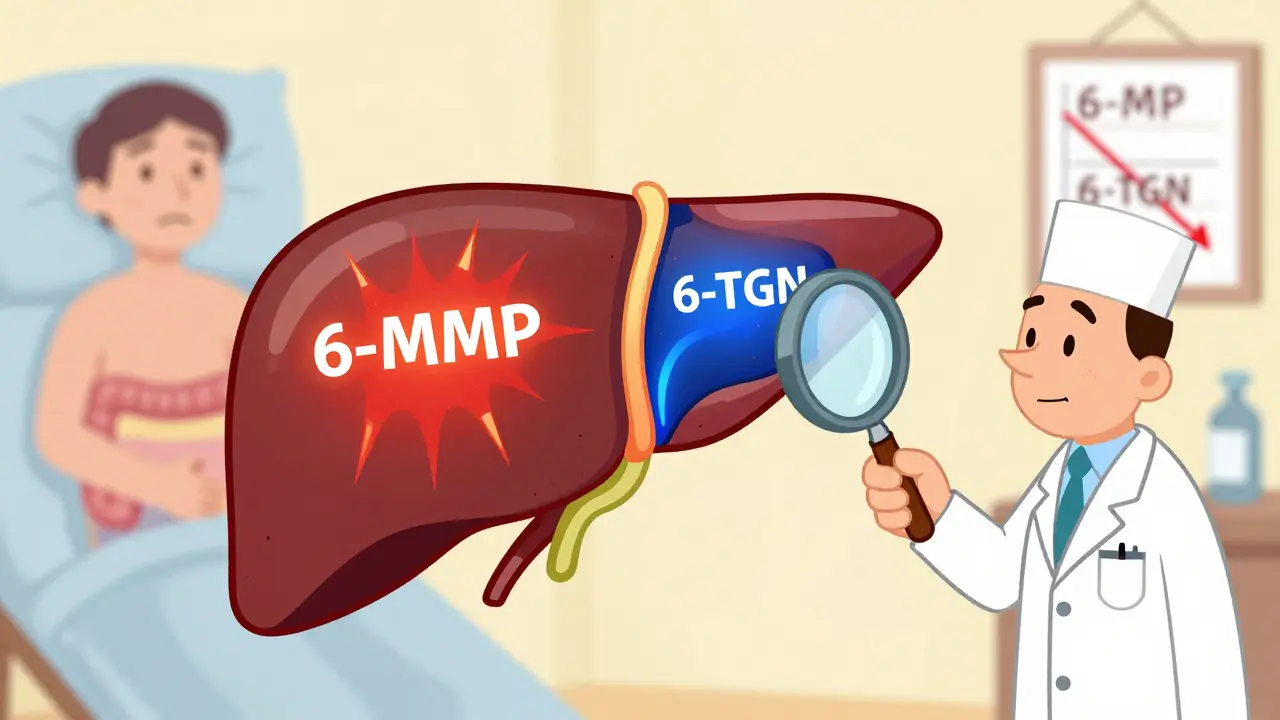
Azathioprine and allopurinol together can redirect toxic metabolite buildup in IBD patients, boosting therapeutic effects while protecting the liver. Learn how LDAA therapy works, who benefits, and why proper dosing is critical.
HPV infections cause nearly all cervical cancers, but vaccination and modern screening can prevent them. Learn how HPV testing, self-sampling, and vaccines work together to stop cancer before it starts.
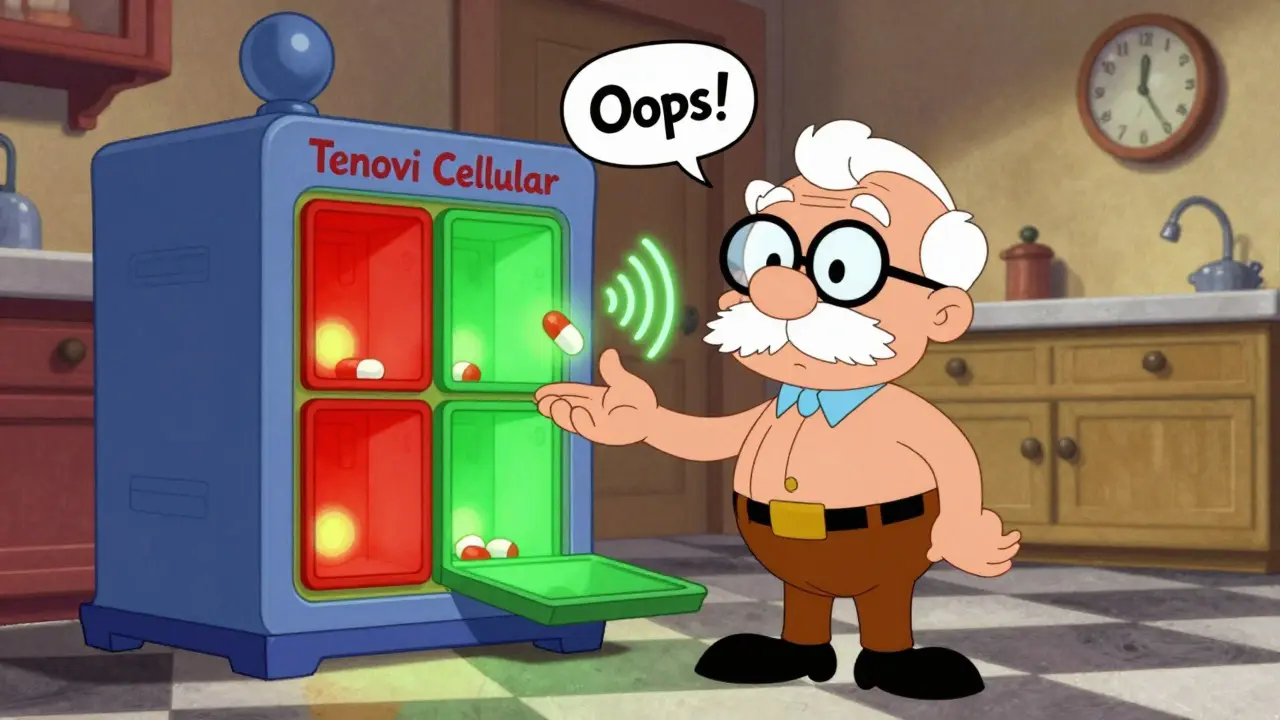
Smart pill caps and dispensers help seniors and chronic illness patients take medications on time by using lights, alarms, and remote alerts. Learn which devices work best, how they’re covered by Medicare, and real stories of lives changed.