
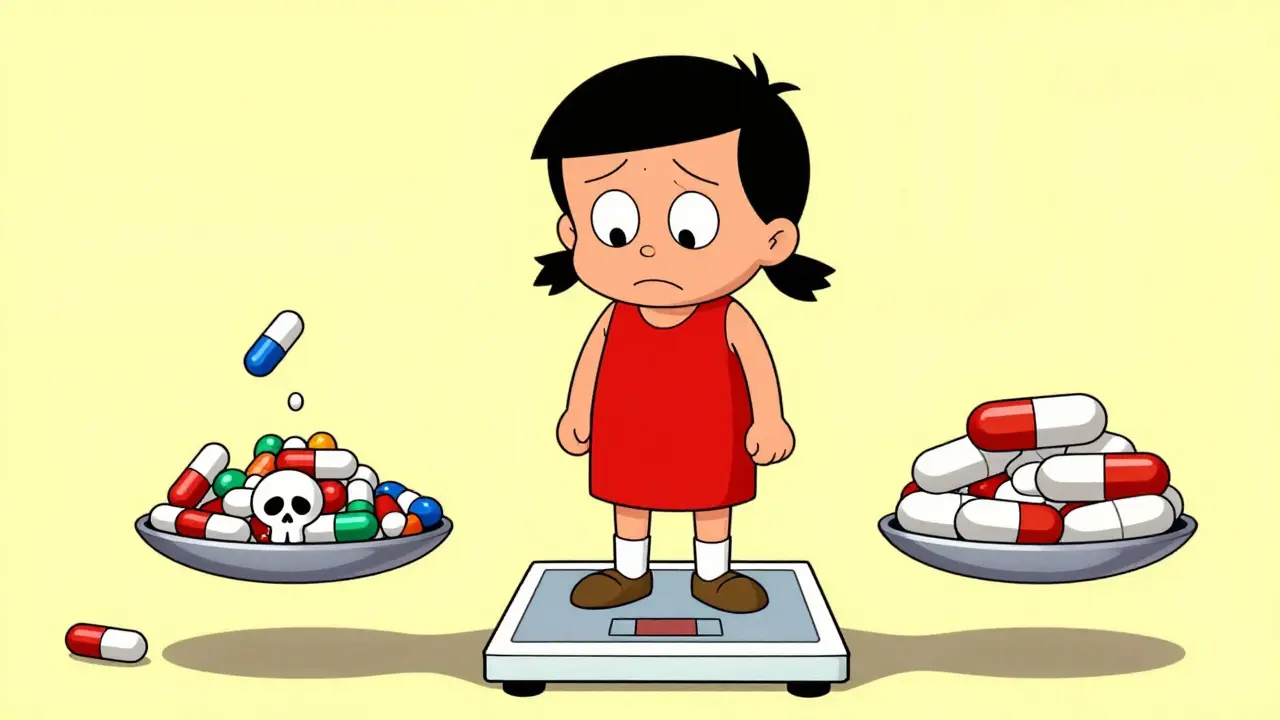
Over 80,000 people died from opioid overdoses in 2021 alone. That staggering number isn't just a statistic-it's a wake-up call about how dangerous these medications can be when misused. Modern pain management now focuses on opioid safety and finding safer alternatives.
What Are Opioids and Non-Opioids?
Opioids are powerful pain relievers derived from the opium poppy or made synthetically. They include medications like oxycodone, hydrocodone, and morphine. While effective for severe pain, they carry serious risks like addiction and overdose. According to the Centers for Disease Control and Prevention (CDC), opioid-related deaths reached 80,816 in 2021-a clear sign of the ongoing crisis.
Non-opioid pain medications include common options like NSAIDs (ibuprofen, naproxen), acetaminophen, and newer drugs like Journavx. These alternatives work differently than opioids and often have fewer dangerous side effects. For many types of pain, they're just as effective but much safer.
The Opioid Crisis: A Public Health Emergency
The U.S. declared the opioid epidemic a public health emergency in 2017. Since then, overdose deaths have surged. In 2021, the CDC reported over 80,000 opioid-related deaths-more than double the number from a decade earlier. This crisis didn't happen overnight. It began when doctors prescribed opioids too freely for chronic pain in the 1990s and early 2000s. Many patients became dependent, leading to addiction and fatal overdoses.
Today, the FDA and CDC have shifted their stance. They now strongly recommend avoiding opioids for chronic pain unless absolutely necessary. This change comes from solid evidence showing that opioids often don't work better than non-opioid options for long-term pain relief, while carrying much higher risks.

What Studies Show: Opioids vs. Non-Opioids
A landmark 2018 study called the SPACE trial compared opioids and non-opioids in 240 patients with chronic back or knee pain. After 12 months, those taking non-opioids had slightly better pain relief and fewer side effects. The study, published in JAMA, found no significant difference in pain function between the two groups, but non-opioid users reported better overall pain control. This was a game-changer-it proved opioids aren't always the best choice.
Long-term opioid use also increases serious health risks. A study of nearly 300,000 patients found that taking opioids for 180+ days over 3.5 years raised the risk of myocardial infarction by 2.66 times. Even lower doses (over 120 mg daily) increased heart attack risk by 58%. These findings help explain why doctors now avoid opioids for long-term pain management.
Pediatric research adds more evidence. A 2024 review in Pediatrics analyzed five studies on children's pain. It found opioids weren't better than non-opioids for acute pain (like after surgery), but caused more nausea, drowsiness, and constipation. For kids, the risks clearly outweigh the benefits.
Current Guidelines: What Doctors Recommend Today
The CDC updated its guidelines in 2022, making it clear: non-opioid treatments should be the first choice for chronic pain. Their report states that opioids should only be used when other options fail, and even then, at the lowest possible dose for the shortest time. This guidance came directly from studies like the SPACE trial, which showed opioids don't outperform non-opioids for long-term pain.
The FDA has also supported new non-opioid options. In March 2024, they approved Journavx, a novel non-opioid analgesic for acute pain. Clinical trials showed it reduced pain better than placebo, with fewer side effects than opioids. This approval is part of the FDA's broader strategy to reduce opioid dependence by expanding safe alternatives.
Major medical groups like the American College of Physicians agree. Their 2017 guidelines stressed that opioids have limited long-term effectiveness and carry serious risks. They recommend trying physical therapy, NSAIDs, or other non-opioid options before considering opioids for chronic pain.

New Non-Opioid Options: What's Changing in Pain Management
For decades, pain management relied heavily on opioids. Now, new non-opioid drugs are changing the game. Journavx, approved in 2024, is the first new non-opioid class for acute pain in years. It works differently than traditional NSAIDs and acetaminophen, targeting pain pathways without the risks of opioids.
Clinical trials for Journavx involved 874 patients with surgical pain. Those taking it had significantly better pain relief than placebo, with fewer side effects than opioids. The FDA approved it as part of their Overdose Prevention Framework, which encourages developing safer pain treatments.
Other non-opioid options include topical NSAIDs, nerve blocks, and physical therapy. Multimodal approaches-combining several non-opioid treatments-often provide the best results. For example, using ibuprofen with ice therapy and gentle exercise can manage joint pain without opioids.
What You Can Do: Safer Pain Management Strategies
If you're managing pain, here's what to ask your doctor:
- Can we try non-opioid options first? NSAIDs, acetaminophen, or physical therapy often work just as well.
- What are the risks of opioids for my specific condition? For chronic pain, opioids usually aren't the safest choice.
- Are there non-pharmacological options like heat therapy, acupuncture, or exercise? These can reduce pain without medication.
For acute pain (like after surgery), non-opioid alternatives like ibuprofen or acetaminophen are often sufficient. If opioids are necessary, use them exactly as prescribed and for the shortest time possible. Never share prescription opioids-they can be deadly for others.
Remember: pain management is personal. What works for one person might not work for another. Always work with your doctor to find the safest, most effective approach for your situation.
Are opioids always necessary for severe pain?
No. For many types of severe pain, like after surgery or injury, non-opioid options like NSAIDs or acetaminophen work just as well. Studies show opioids don't provide better pain relief in most cases but carry higher risks of side effects. Always ask your doctor about alternatives before starting opioids.
What are the biggest risks of long-term opioid use?
Long-term opioid use increases risks of addiction, overdose, heart problems, and respiratory issues. A major study found taking opioids for 180+ days over 3.5 years raises heart attack risk by 2.66 times. Daily doses over 120 mg morphine equivalent increase this risk further. These dangers make opioids unsuitable for most chronic pain cases.
Is Journavx safe for everyone?
Journavx is FDA-approved for acute pain in adults. Clinical trials showed it's effective with fewer side effects than opioids. However, it's not recommended for people with kidney problems or certain allergies. Always check with your doctor to see if it's right for your specific situation.
Why do doctors prescribe opioids if they're risky?
Historically, opioids were overprescribed due to aggressive marketing and misconceptions about their safety. Today, doctors follow updated guidelines that prioritize non-opioid options first. Opioids are still used for specific cases like cancer pain or severe trauma, but only when safer alternatives don't work.
Can I stop taking opioids safely?
Yes, but it's important to work with your doctor. Abruptly stopping opioids can cause withdrawal symptoms. A gradual tapering plan, combined with non-opioid pain management strategies, is the safest way to stop. Many patients successfully transition to non-opioid treatments with professional support.


Nancy Maneely
Opioids are dangerus. Use NSAIDs instead.