
What Is HPV, and Why Should You Care?
Human papillomavirus, or HPV, is the most common sexually transmitted infection in the U.S. and around the world. About 80% of sexually active people will get at least one type of HPV in their lifetime. Most infections go away on their own without causing any symptoms. But some types don’t clear up-and those are the ones that can lead to cancer.
There are over 200 types of HPV, but only about 14 are considered high-risk. Among them, HPV 16 and 18 are the worst offenders, causing about 70% of all cervical cancers. These same types also link to cancers of the anus, throat, penis, vulva, and vagina. The scary part? These cancers don’t show up overnight. It takes 10 to 20 years for a persistent HPV infection to turn into cancer. That’s a long window to catch it early-if you know what to look for.
Vaccination: The Best Shield Against HPV-Related Cancers
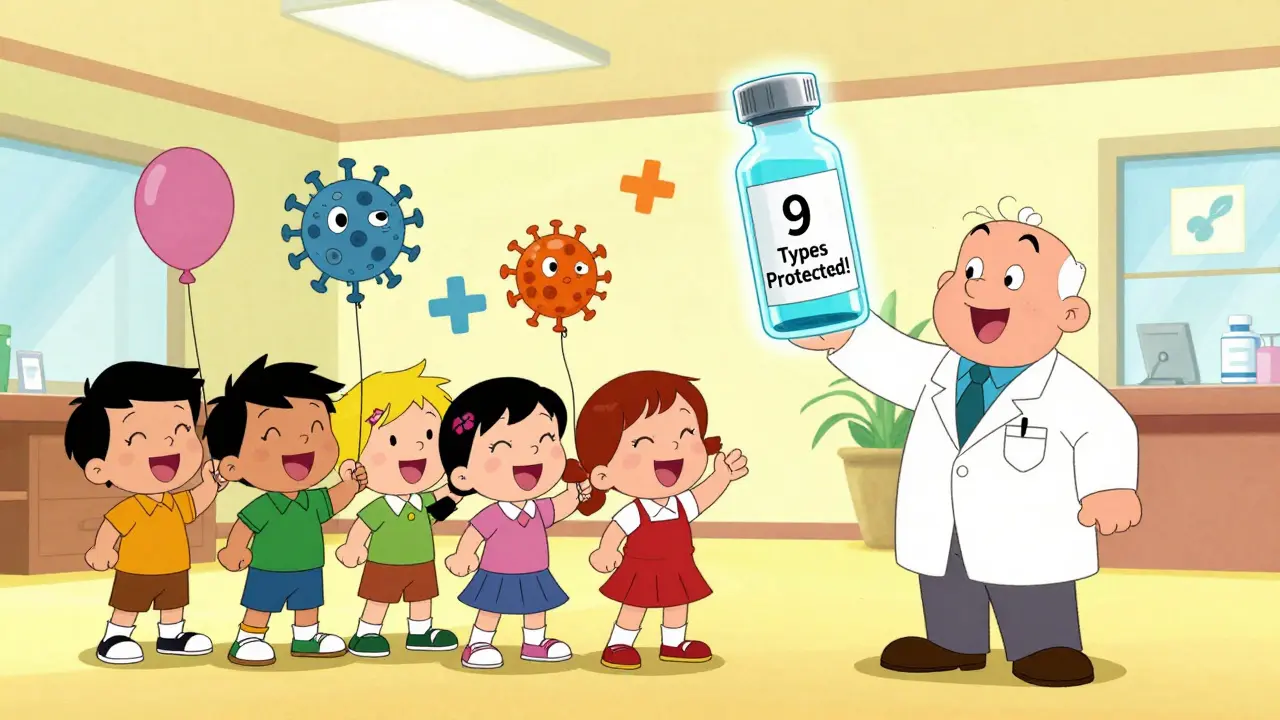
The HPV vaccine is one of the most effective cancer-prevention tools we have. Since the first vaccine, Gardasil, was approved in 2006, millions of doses have been given worldwide. Today’s vaccines protect against nine high-risk HPV types, including 16 and 18, and two low-risk types that cause genital warts.
The CDC and American Cancer Society recommend the vaccine for all kids at age 11 or 12, but it can be given as early as age 9. Teens and young adults up to age 26 should get it if they haven’t already. For adults aged 27 to 45, the vaccine is still an option-but it’s less effective if you’ve already been exposed to HPV. Talk to your doctor if you’re in this age group.
Here’s the key: the vaccine works best before any sexual activity begins. It’s not a treatment for existing infections-it’s a prevention tool. Studies show that since the vaccine became routine, HPV infections in teen girls dropped by 88% and cervical precancers in young women dropped by 40%. Countries like Australia and Sweden are on track to eliminate cervical cancer entirely because of high vaccination rates.
Screening: It’s Not Just About the Pap Test Anymore
For decades, the Pap test was the gold standard for cervical cancer screening. It looks for abnormal cells on the cervix. But now, we have something better: HPV testing.
Starting in 2020, the American Cancer Society updated its guidelines to recommend primary HPV testing every five years for people aged 25 to 65. This means the test checks for the virus itself-not just the damage it causes. The test detects 14 high-risk HPV types, including the two most dangerous: HPV 16 and 18.
Two FDA-approved tests are widely used: the cobas HPV Test from Roche and the Aptima HPV Assay from Hologic. Both are highly accurate. In fact, HPV testing catches 94.6% of serious precancerous changes, compared to just 55.4% for Pap tests alone. That’s a huge jump in detection power.
For people aged 21 to 24, Pap tests are still recommended every three years. HPV testing isn’t used here because young people often get temporary infections that clear up on their own. Testing them too early leads to unnecessary worry and procedures.
How HPV Screening Works: From Test to Treatment
If your HPV test comes back positive, it doesn’t mean you have cancer. It just means the virus is there. What happens next depends on which type you have.
If you test positive for HPV 16 or 18, you’ll get a follow-up colposcopy-a quick exam where a doctor looks at your cervix with a magnifying tool. If you test positive for another high-risk type, you’ll usually get a Pap test as a follow-up. If both the HPV and Pap tests are abnormal, you’ll likely need a biopsy.
For people aged 30 to 65, there are three approved screening options:
- Primary HPV test every 5 years (preferred)
- Pap test every 3 years
- Both tests together (cotesting) every 5 years
Most experts now agree: HPV testing alone is the most effective. It’s safer, more accurate, and lets you wait longer between tests. A 2023 study showed that women with a negative HPV test had only a 0.23% chance of developing a serious precancer in the next five years-far lower than those who had a negative Pap test.
Self-Collected HPV Tests: A Game-Changer for Access
Many people avoid screening because they’re uncomfortable with pelvic exams. Or they live far from clinics. Or they’re busy. Or they’ve had bad experiences. That’s why self-collected HPV tests are so important.
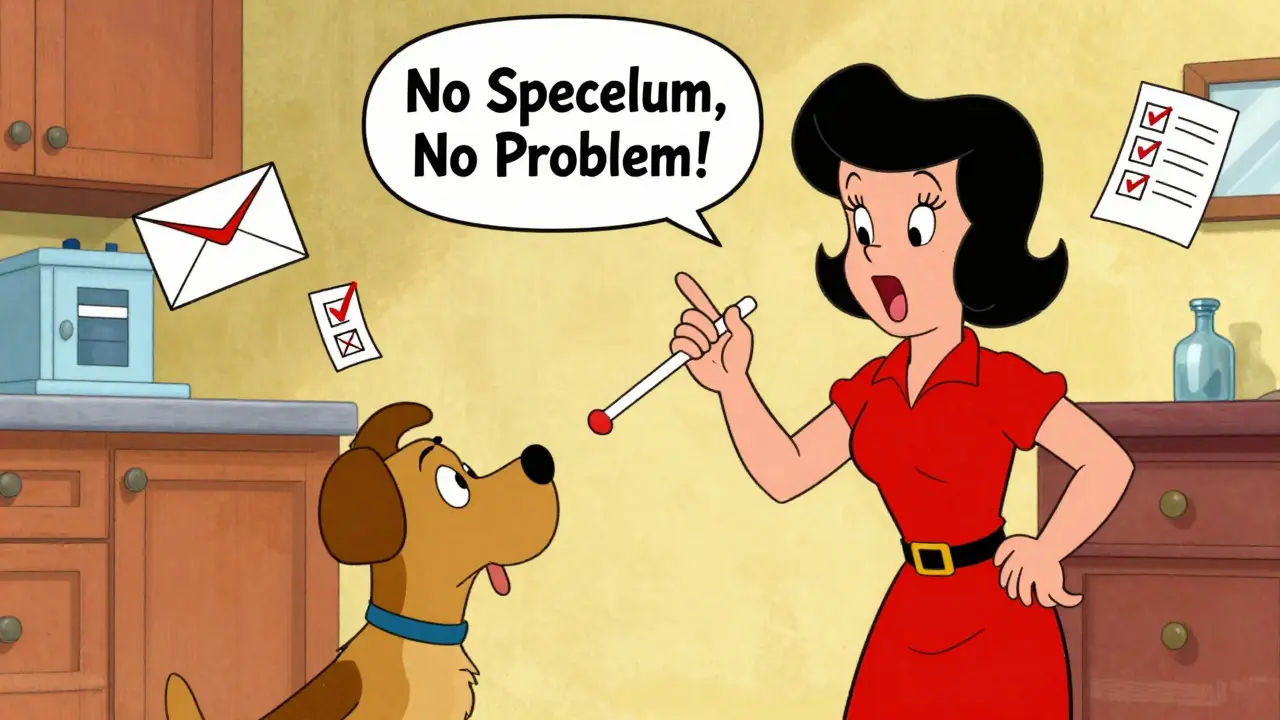
Starting in 2024, Kaiser Permanente and other major health systems began offering self-collected HPV tests. You get a swab, insert it into your vagina yourself, and mail it in. No speculum. No doctor. No embarrassment.
Studies show these tests are almost as accurate as those done by a clinician. Sensitivity is around 84%, specificity is 91%. In Australia and the Netherlands, offering self-sampling increased screening rates by 30% to 40% among people who hadn’t been screened in years.
The U.S. Preventive Services Task Force now says self-collected HPV testing is a valid option for average-risk adults. It’s especially helpful for people in rural areas, LGBTQ+ individuals, and those with trauma histories.
Why Vaccinated People Still Need Screening
A common myth: “If I got the HPV vaccine, I don’t need Pap tests anymore.” That’s not true.
The vaccine protects against the most common cancer-causing types-but not all of them. It covers 90% of cervical cancers, but not 100%. Also, if you got vaccinated after being exposed to HPV, it won’t clear the infection you already have.
The CDC is clear: vaccinated people should follow the same screening schedule as unvaccinated people. Skipping screening because you’re vaccinated is one of the biggest mistakes people make. The vaccine is your first line of defense. Screening is your second.
Global Progress-and the Gaps That Still Exist
The World Health Organization launched a bold plan in 2020: eliminate cervical cancer by 2050. Their 90-70-90 targets are simple:
- 90% of girls vaccinated by age 15
- 70% of women screened by 35 and again by 45
- 90% of detected cases treated
Right now, only 19% of women in low-income countries have ever been screened. In high-income countries, it’s 80%. In the U.S., Black women are 70% more likely to die from cervical cancer than White women. Why? Unequal access to screening, delayed diagnosis, and gaps in follow-up care.
Self-testing, mobile clinics, and community outreach are helping close these gaps. But progress depends on policy, funding, and public awareness. The tools exist. The science is solid. What’s missing is consistent action.
What’s Next? AI, Longer Intervals, and Better Tools
The future of HPV screening is getting smarter. In January 2023, the FDA approved Paige.AI, an artificial intelligence system that analyzes Pap smear images with near-human accuracy. It helps labs handle backlogs and reduces human error.
Research also suggests that after two negative HPV tests, waiting six years between screenings may be safe. That could mean fewer tests, less anxiety, and lower costs.
Experts predict that by 2026, primary HPV testing will be the standard in most U.S. clinics. The goal isn’t just to detect cancer early-it’s to stop it before it starts.
What You Can Do Right Now
- If you’re under 26: Get the HPV vaccine if you haven’t already.
- If you’re 25 to 65: Ask your provider about primary HPV testing. Don’t wait for a Pap test unless you’re in the 21-24 age group.
- If you’re nervous about exams: Ask if self-collected HPV testing is available.
- If you’re over 65: Talk to your doctor. You may still need screening if you’ve never been tested or had abnormal results.
- If you’ve had a hysterectomy: You may not need screening anymore-but only if your cervix was removed and you’ve never had precancer.
HPV doesn’t care about your income, your zip code, or your insurance. But the tools to stop it do. Use them.


Chris Urdilas
So let me get this straight-we’ve got a vaccine that prevents cancer, tests that catch it before it turns deadly, and now you can even swab yourself at home... but people still die because they’re too embarrassed or too lazy to do it? 🤦♂️ We’re literally sitting on a medical miracle and some of us are still waiting for a sign from the universe. I mean, come on.