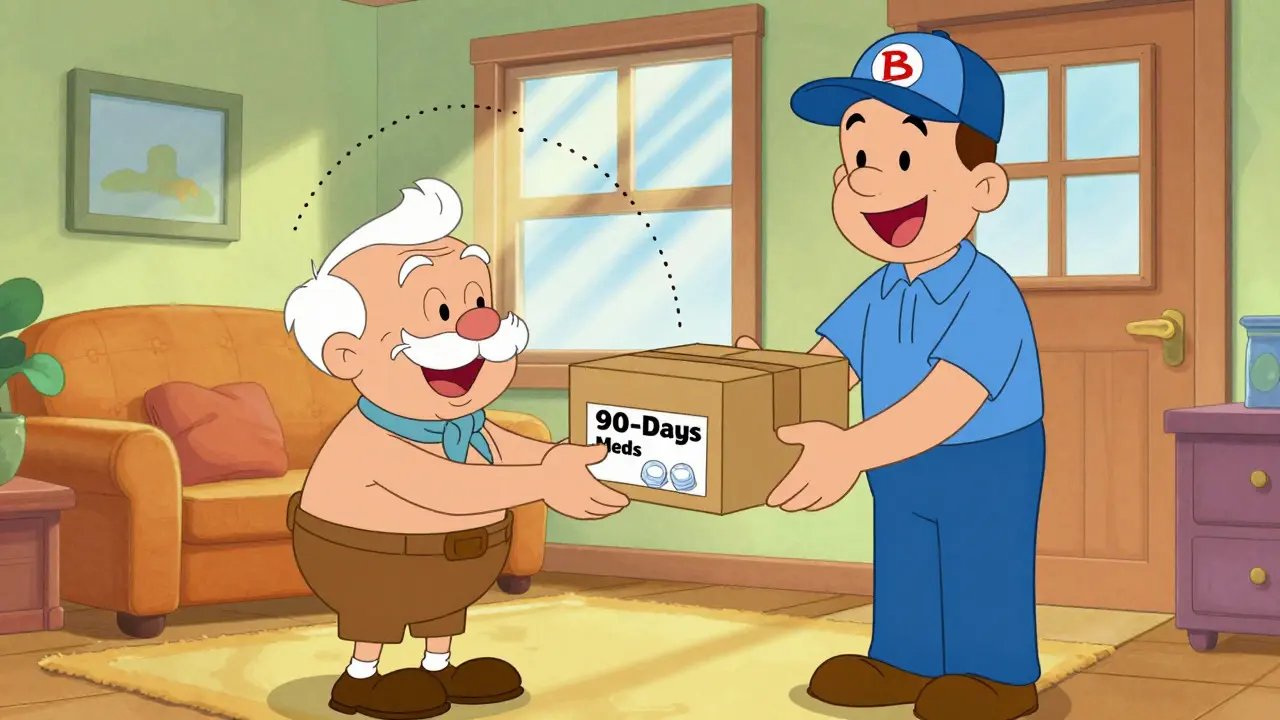
Learn how pharmacy delivery and mail-order services help you stick to your meds with 90-day supplies, lower costs, and home delivery - perfect for chronic conditions like diabetes and high blood pressure.
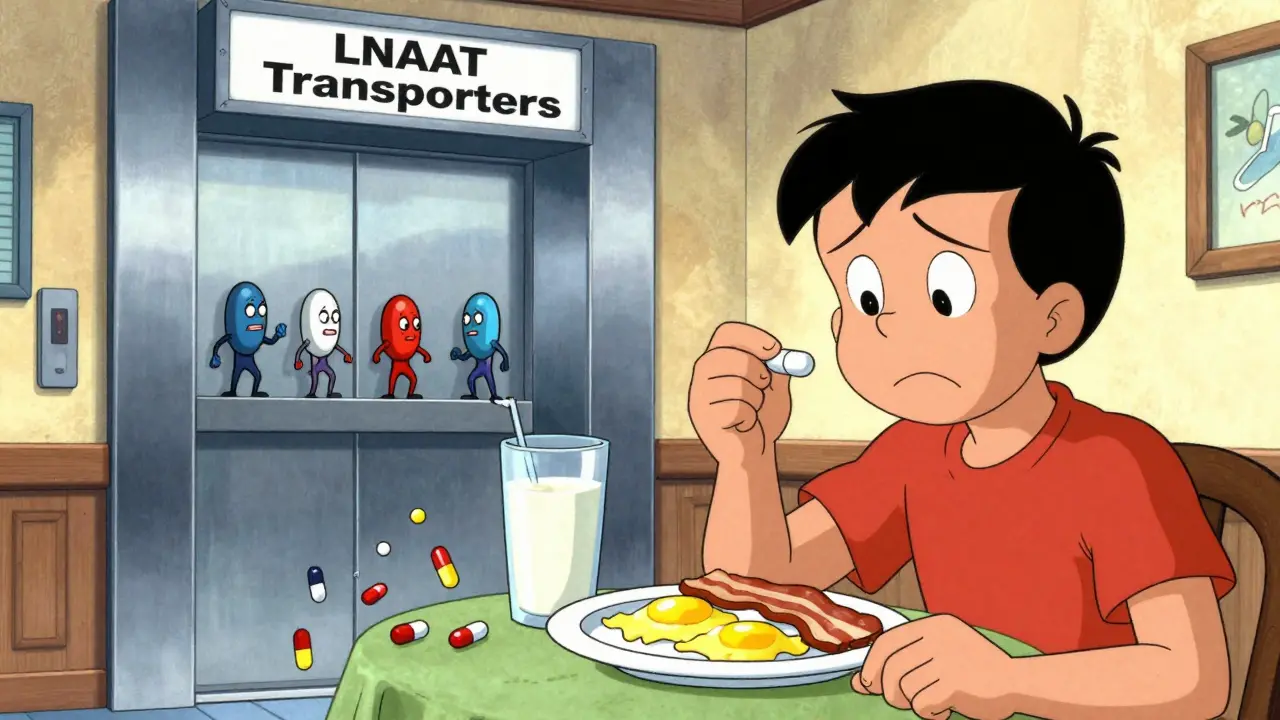
Protein-rich foods can reduce medication absorption by up to 50%, especially for drugs like levodopa. Learn how protein timing, redistribution diets, and new guidelines can improve treatment effectiveness and avoid dangerous interactions.
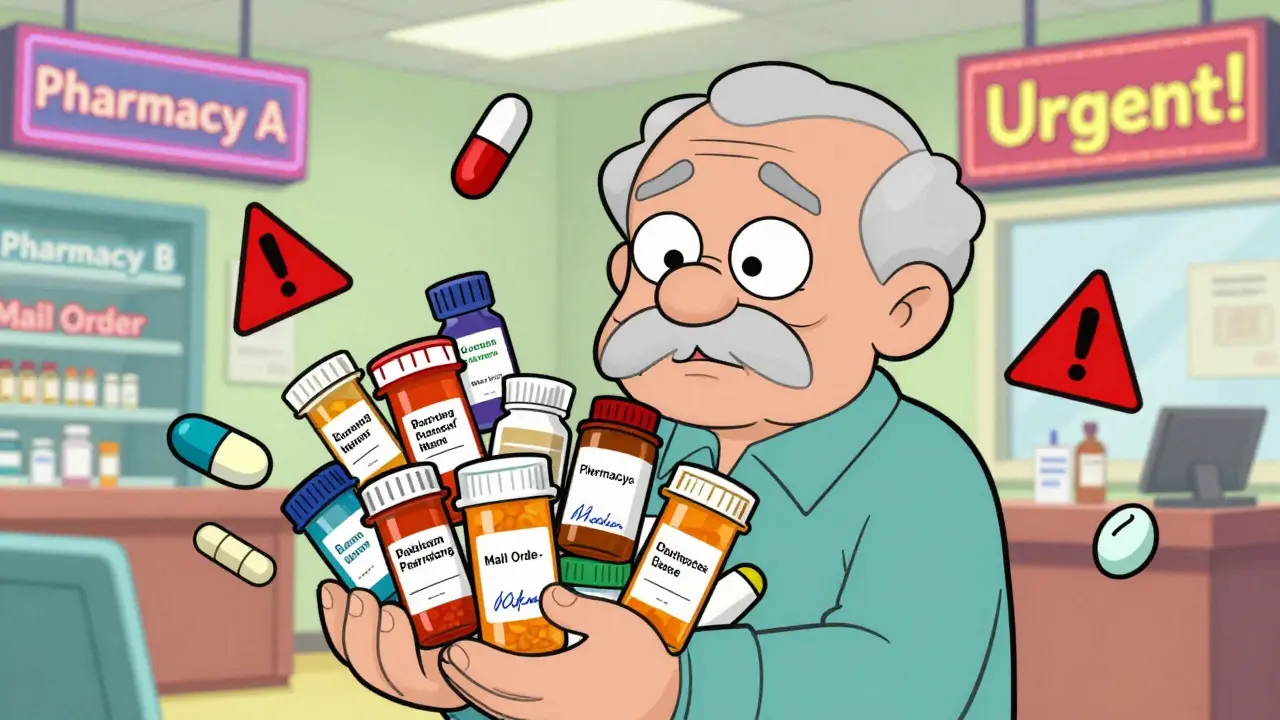
Learn how to safely manage multiple pharmacies and prescribers for seniors using centralized software systems that reduce medication errors, ensure compliance, and improve patient outcomes across locations.
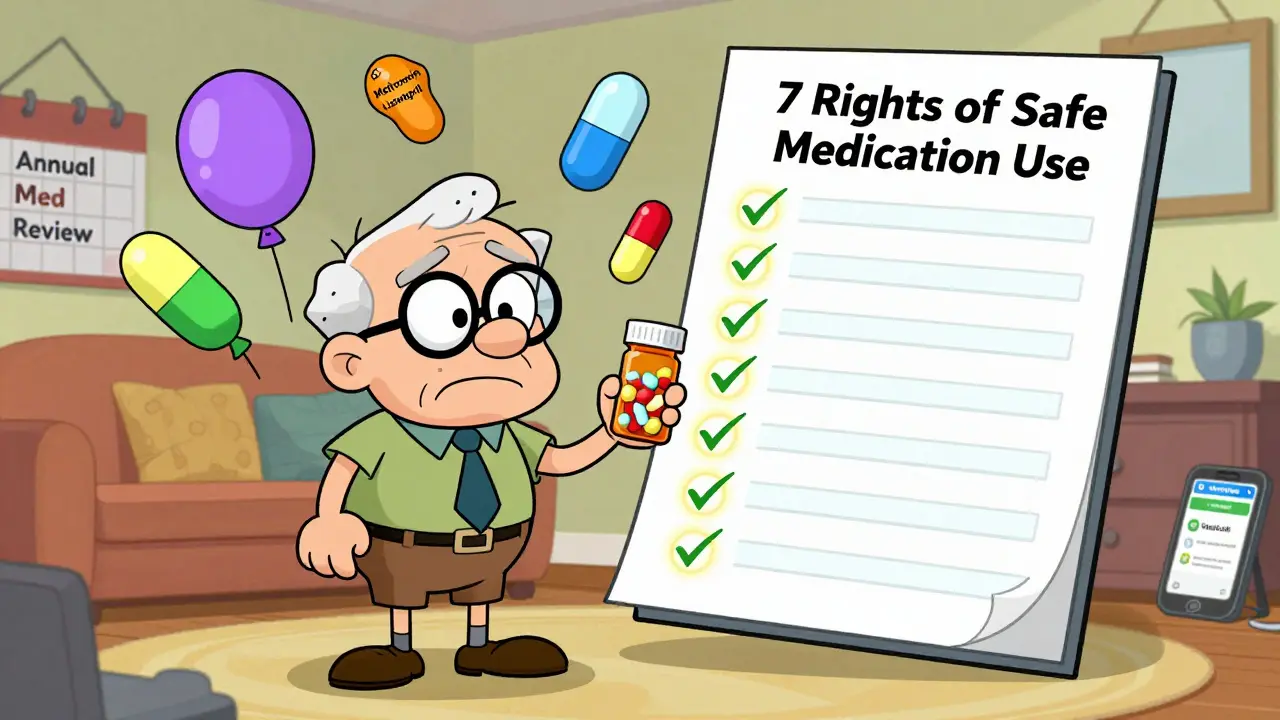
Learn practical, evidence-based tips for safely managing long-term medications for chronic conditions. Avoid dangerous interactions, improve adherence, and reduce risks of side effects with simple daily habits.
Real provider experiences with generic medications reveal that while most generics work just as well as brand-name drugs, caution is needed for narrow therapeutic index medications. Cost savings are real, but patient communication and FDA ratings matter more than ever.
Learn how to read media reports about drug safety without being misled by exaggerated claims. Know the difference between medication errors and adverse reactions, spot misleading risk numbers, and use trusted sources to make smart decisions.
Learn how the FDA authorizes generic drugs under the Hatch-Waxman Act, the science behind bioequivalence, the approval timeline, and why generics are safe, effective, and up to 85% cheaper than brand-name drugs.
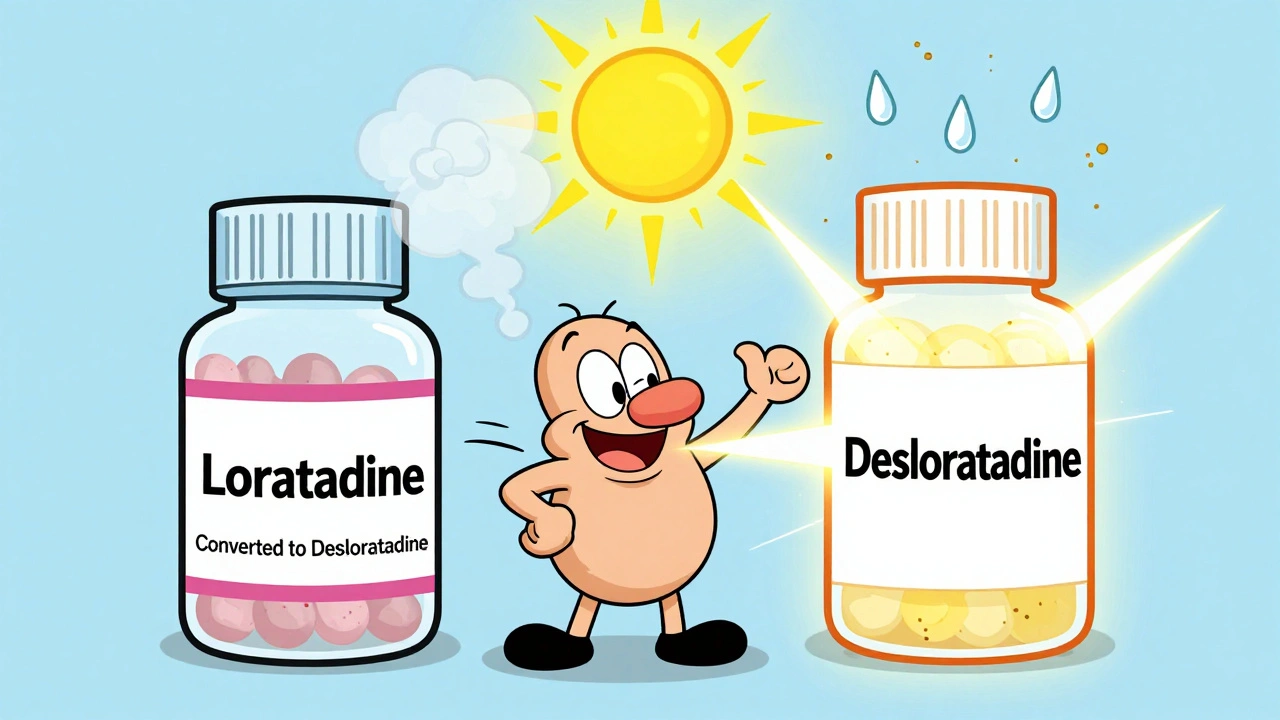
Desloratadine and loratadine are both non-sedating antihistamines for allergies. Desloratadine is more potent, longer-lasting, and works better for nasal congestion. Learn which one suits your symptoms and budget.
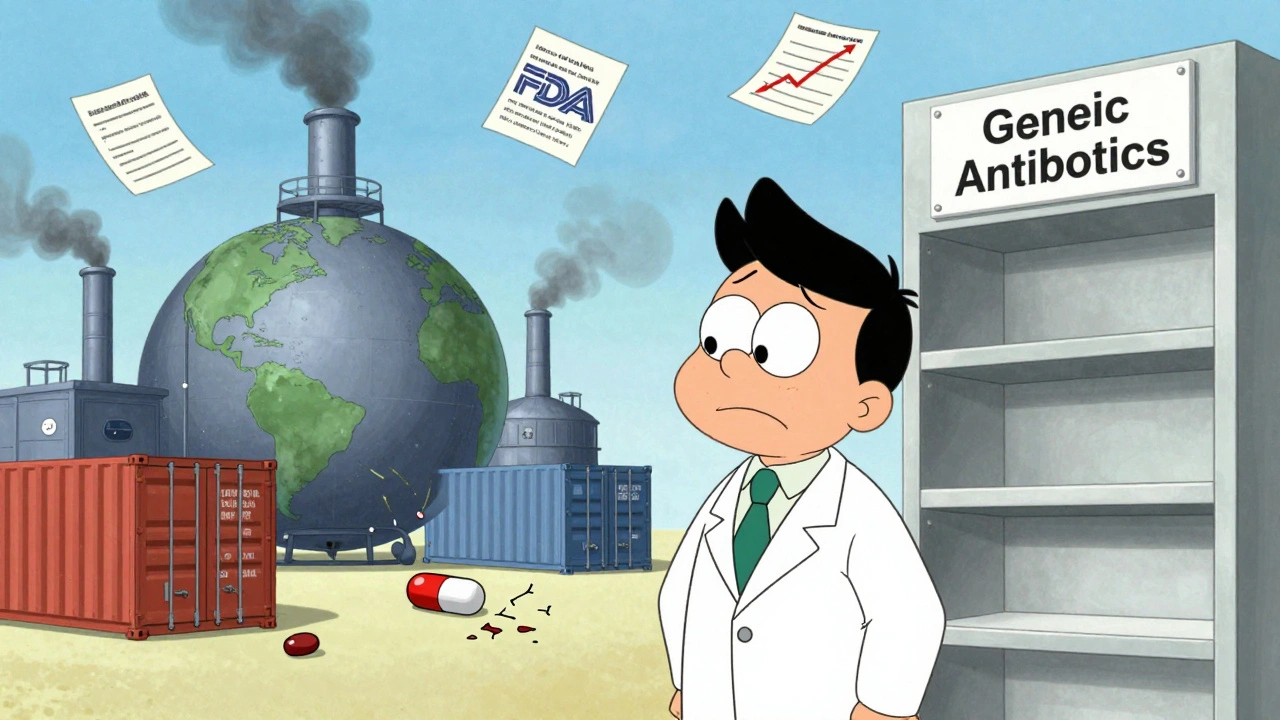
Generic drug shortages are rising due to fragile manufacturing systems, global supply chain risks, and unsustainable pricing. Over 60% of shortages stem from production failures, with most active ingredients made in just two countries. Without better incentives and backup plans, patients will keep paying the price.
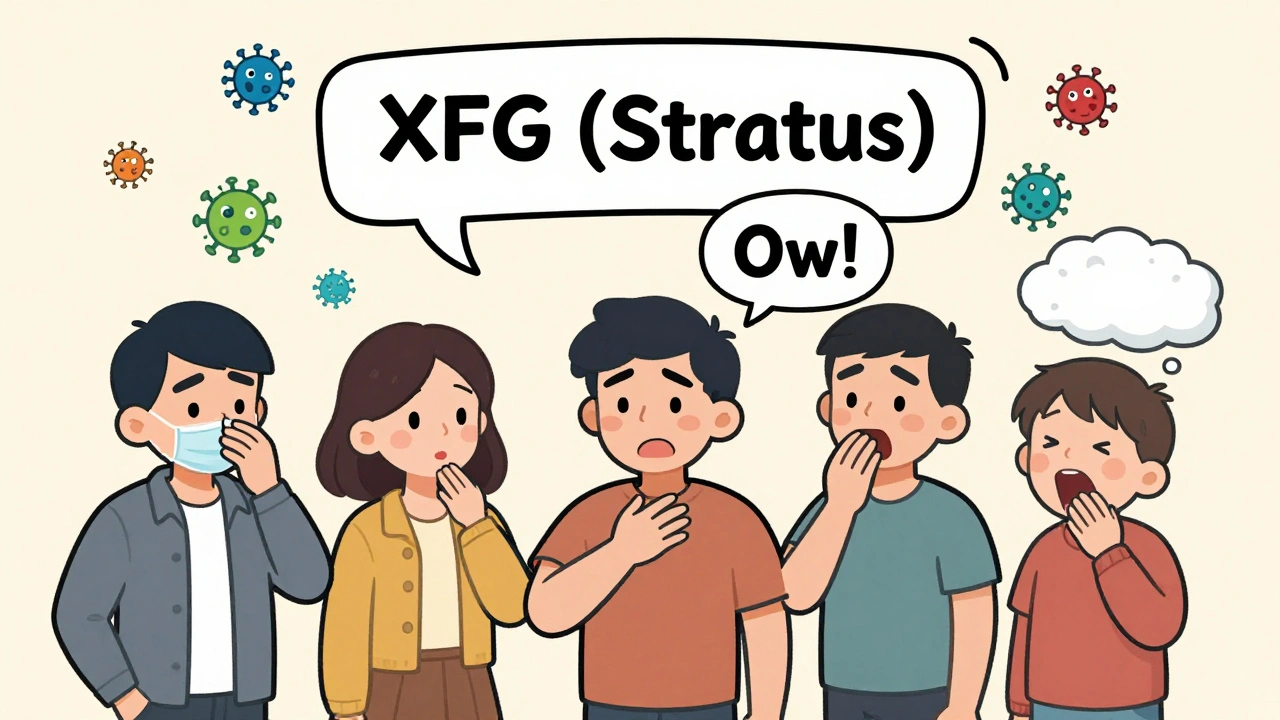
In 2025, COVID-19 symptoms resemble a bad cold, with XFG (Stratus) as the dominant variant. Updated vaccines target KP.2 and JN.1, preventing severe illness. Treatments like Paxlovid remain effective for high-risk groups, and long COVID still affects 20% of survivors.