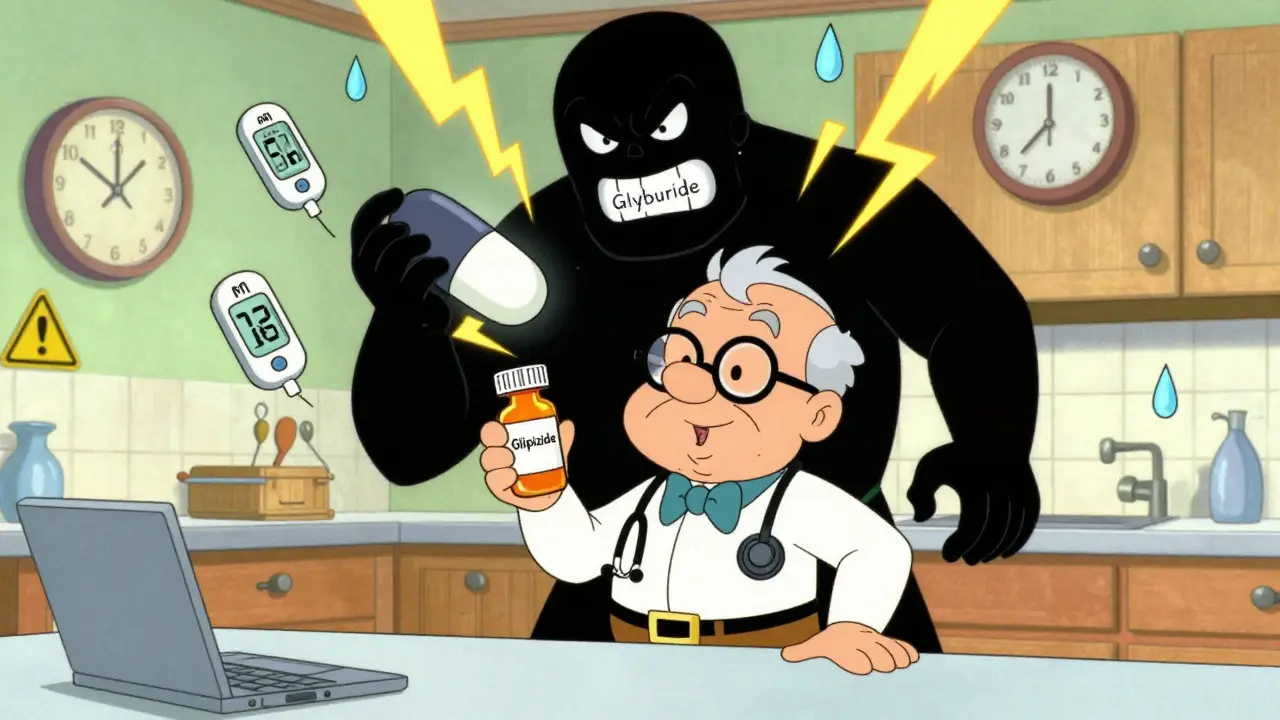
Not all sulfonylureas are the same. Glipizide has far lower hypoglycemia risk than glyburide, especially for older adults and those with kidney issues. Learn which sulfonylurea is safest and how to use it wisely.
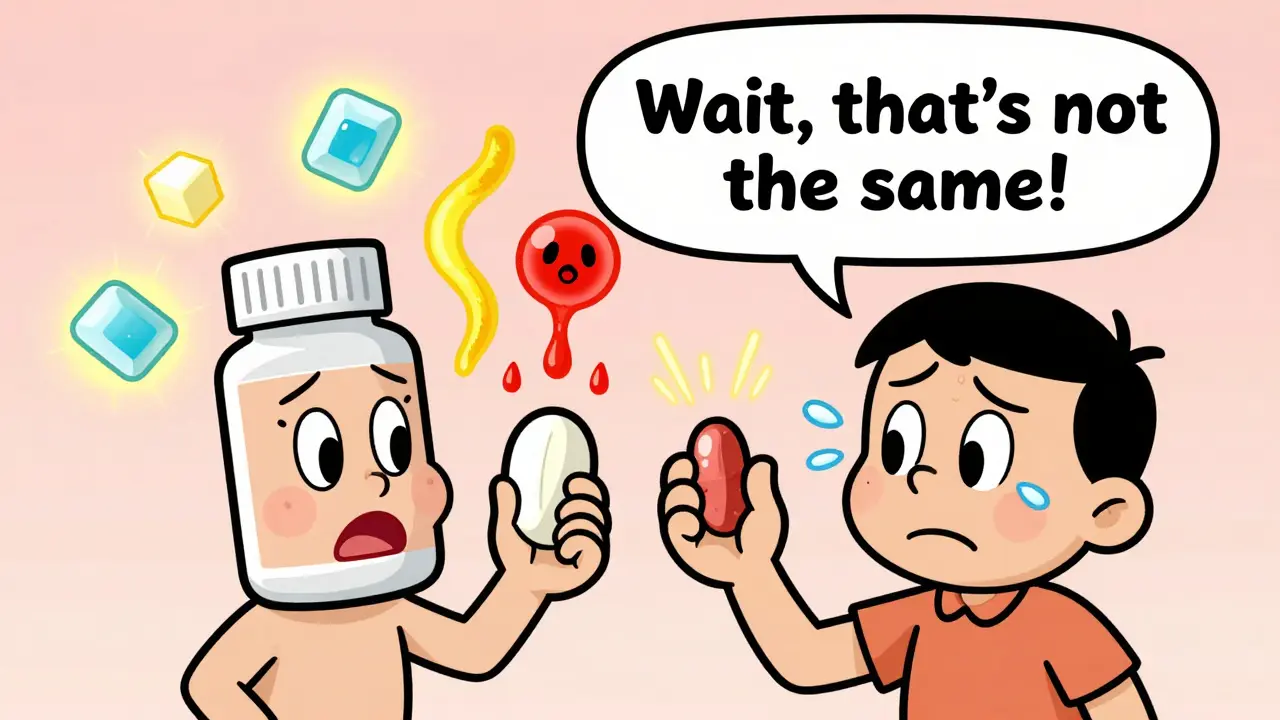
Generic medications can cause allergic reactions due to different inactive ingredients like lactose, gluten, or dyes - even if the brand-name version was safe. Learn when to seek emergency care and how to protect yourself.
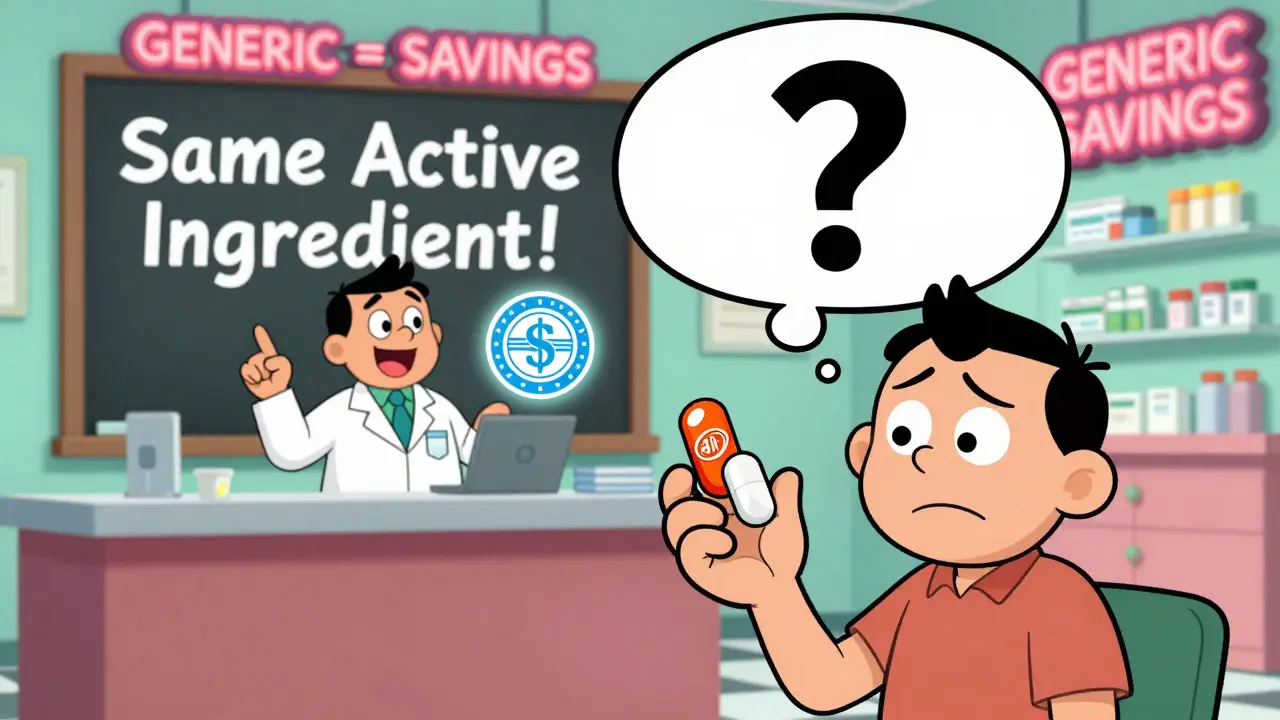
Patients often doubt generic medications-even when they’re scientifically identical to brand names. This article explores why perception, not chemistry, drives satisfaction-and how communication can bridge the gap.
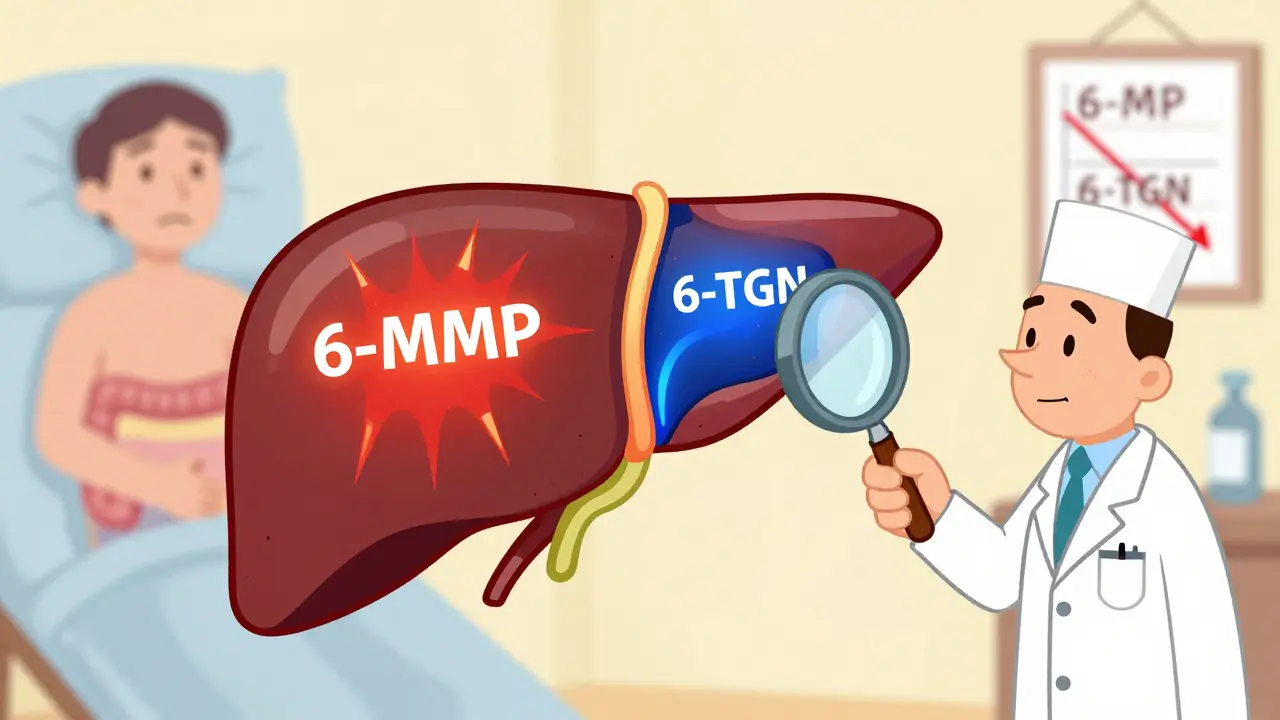
Azathioprine and allopurinol together can redirect toxic metabolite buildup in IBD patients, boosting therapeutic effects while protecting the liver. Learn how LDAA therapy works, who benefits, and why proper dosing is critical.
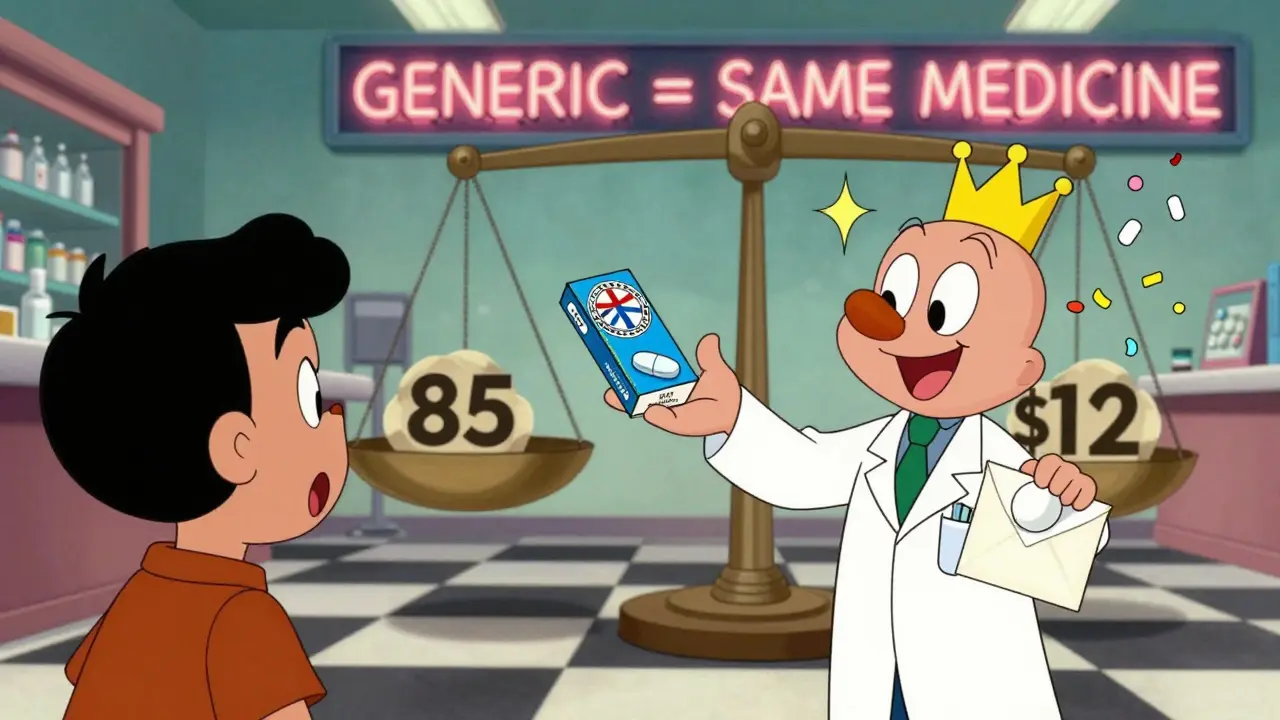
Generic drugs save Americans billions each year-offering the same effectiveness as brand-name drugs at 80% lower cost. Learn how they work, why prices drop so dramatically, and how to save on prescriptions without sacrificing quality.
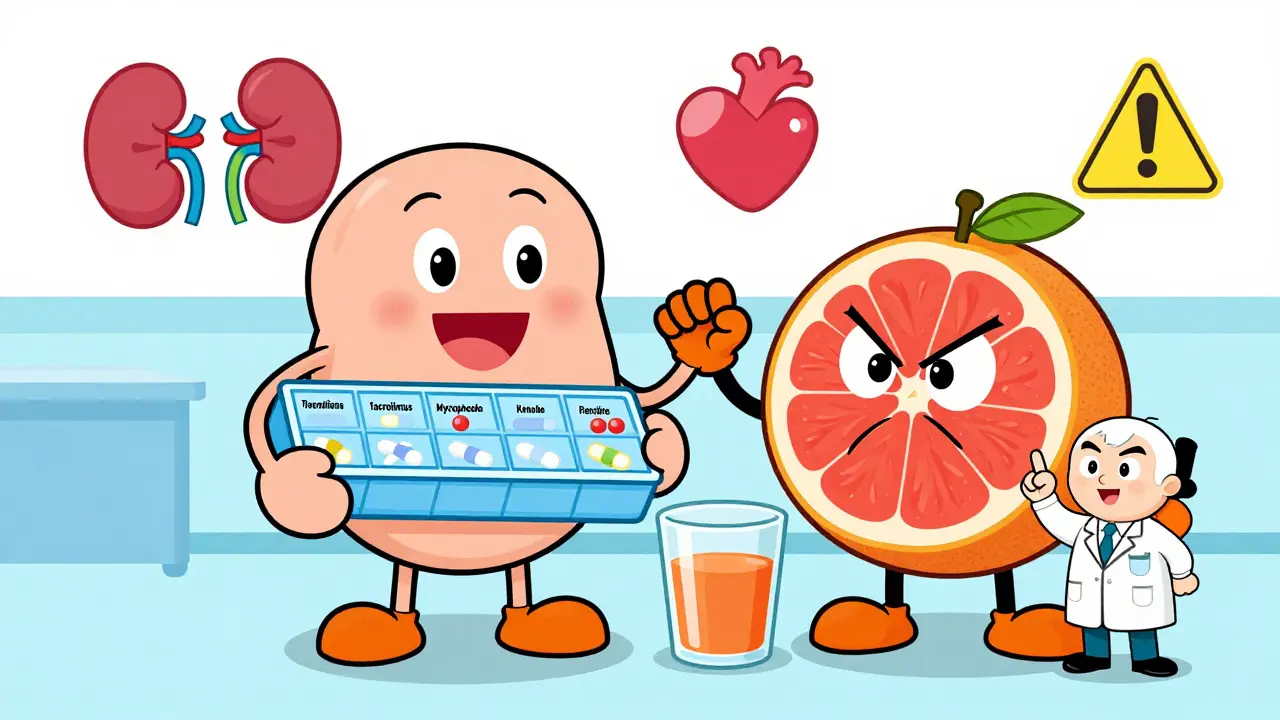
Organ transplant recipients must take lifelong immunosuppressant drugs to prevent rejection, but these medications carry serious risks including kidney damage, diabetes, infections, and cancer. Learn how drug interactions, side effects, and new treatments affect daily life.
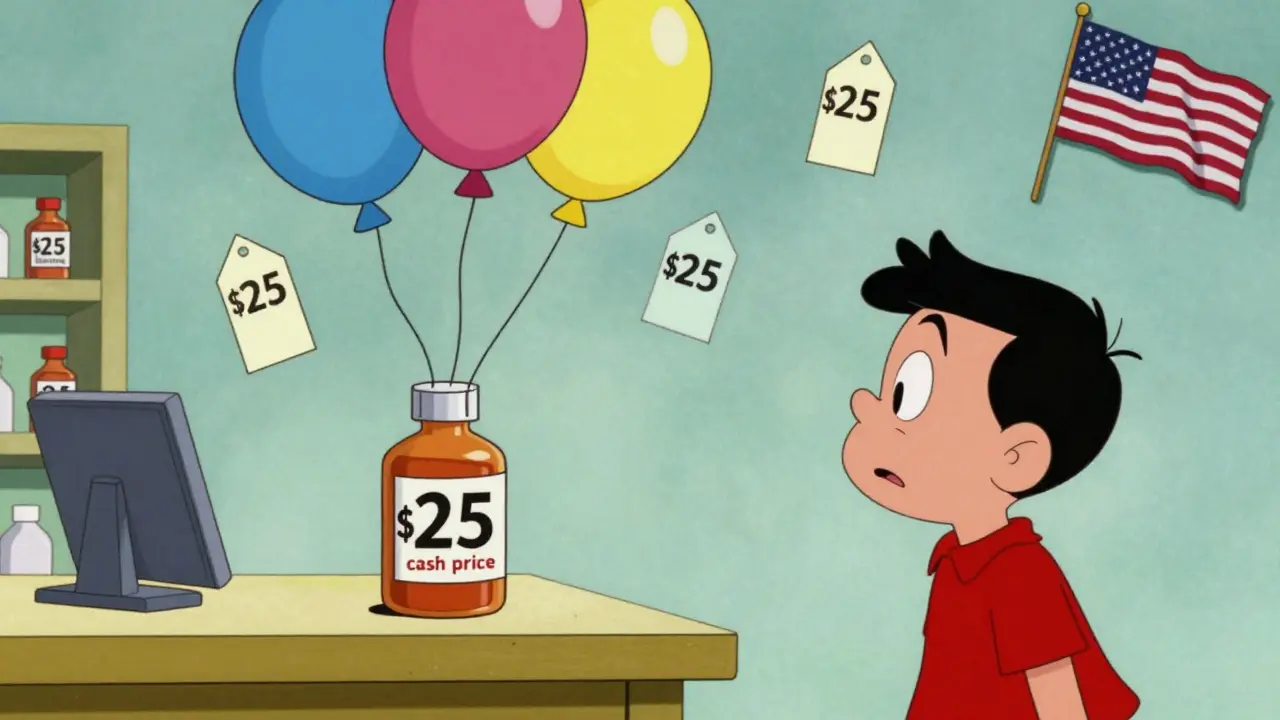
Generic drugs are available worldwide, but prices, quality, and usage vary dramatically by country. Why do Americans pay more for the same pills? And why do some nations avoid generics entirely?
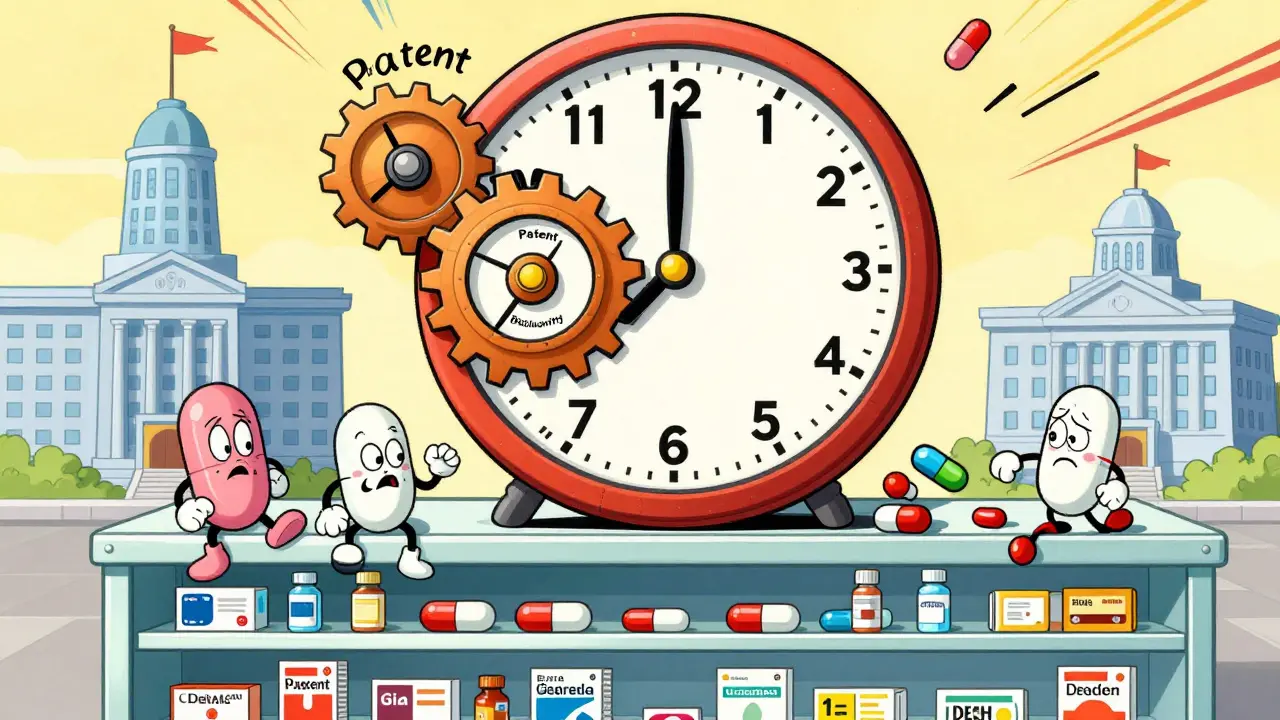
Patent exclusivity and market exclusivity are two separate legal tools that protect drugs in the U.S. One comes from the patent office, the other from the FDA. Understanding the difference explains why some drugs stay expensive for decades.
Pharmaceutical equivalence ensures generic drugs have the same active ingredient and dose as brand-name versions. But it doesn't guarantee they work the same in your body. Here's what you need to know to use generics safely.
Dextromethorphan in common cough syrups can trigger serotonin syndrome when mixed with MAOIs - a potentially fatal interaction. Learn the risks, symptoms, and safe alternatives.