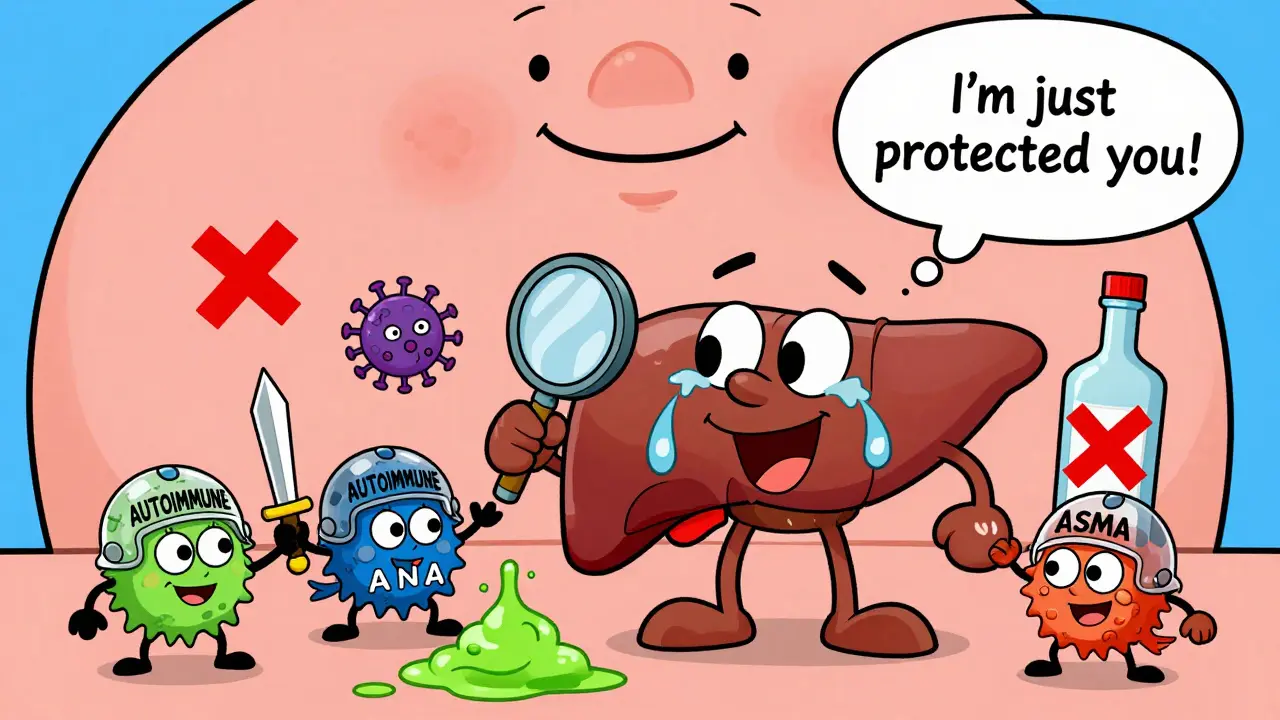
Autoimmune hepatitis is a serious liver disease where the immune system attacks liver cells. Without treatment, it leads to cirrhosis or death. With proper care, most patients live normal lives. Learn the signs, treatments, and what to expect.
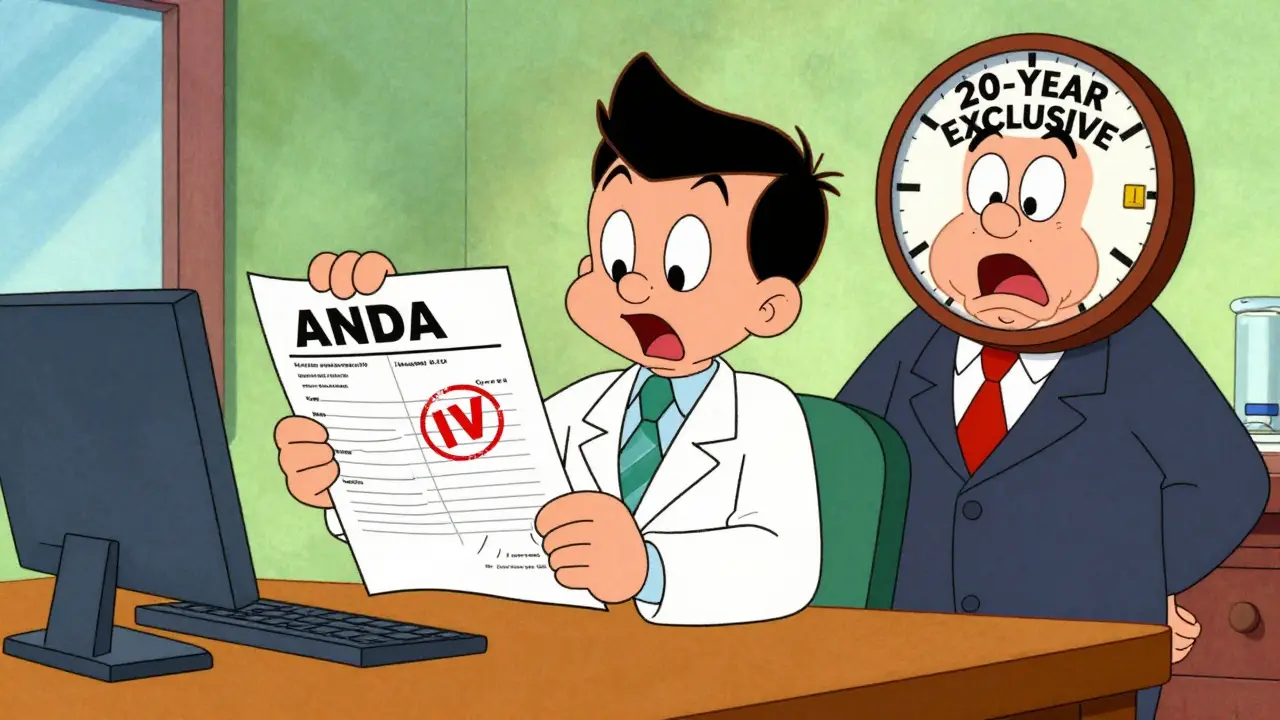
Paragraph IV certifications let generic drug makers legally challenge brand-name patents before launching their products. This Hatch-Waxman Act mechanism saves billions annually by speeding up generic access, but it's a high-stakes legal battle with big risks and huge rewards.
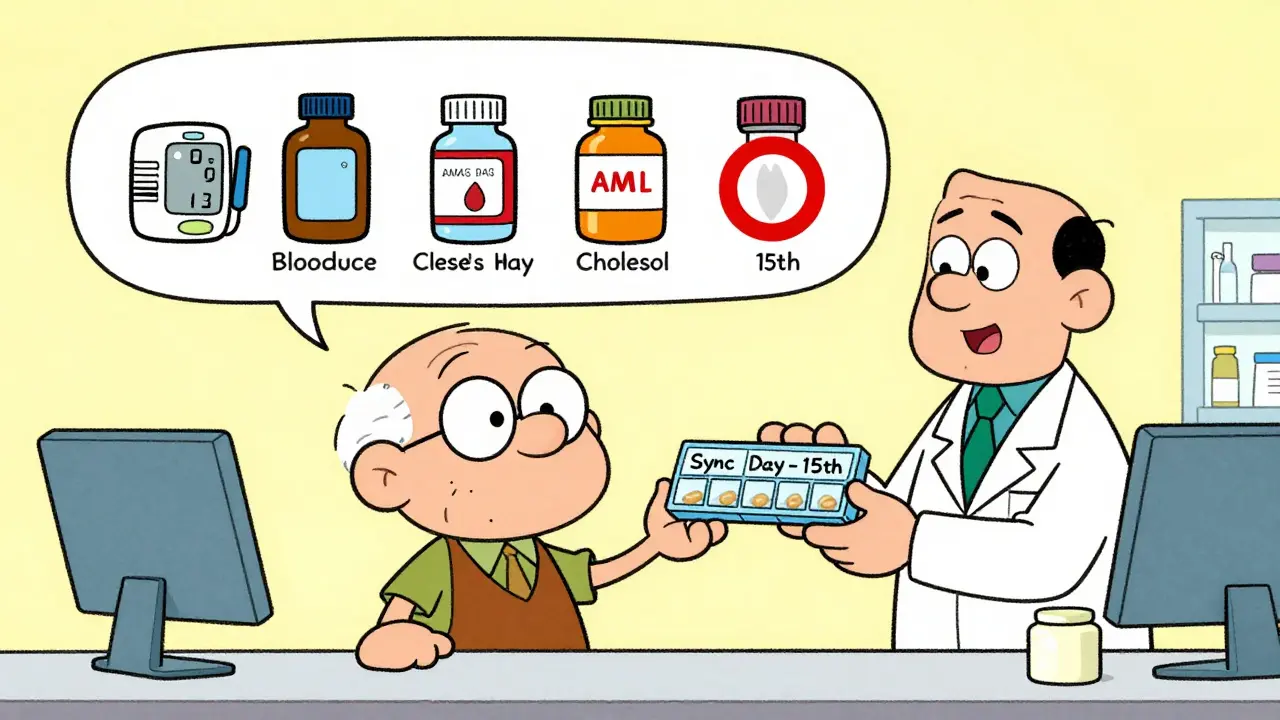
Refill synchronization aligns multiple medication refill dates to one monthly date, making it easier to take pills on time. Studies show it improves adherence by 3-5%, reduces hospital visits, and is especially helpful for those on 3+ daily meds.
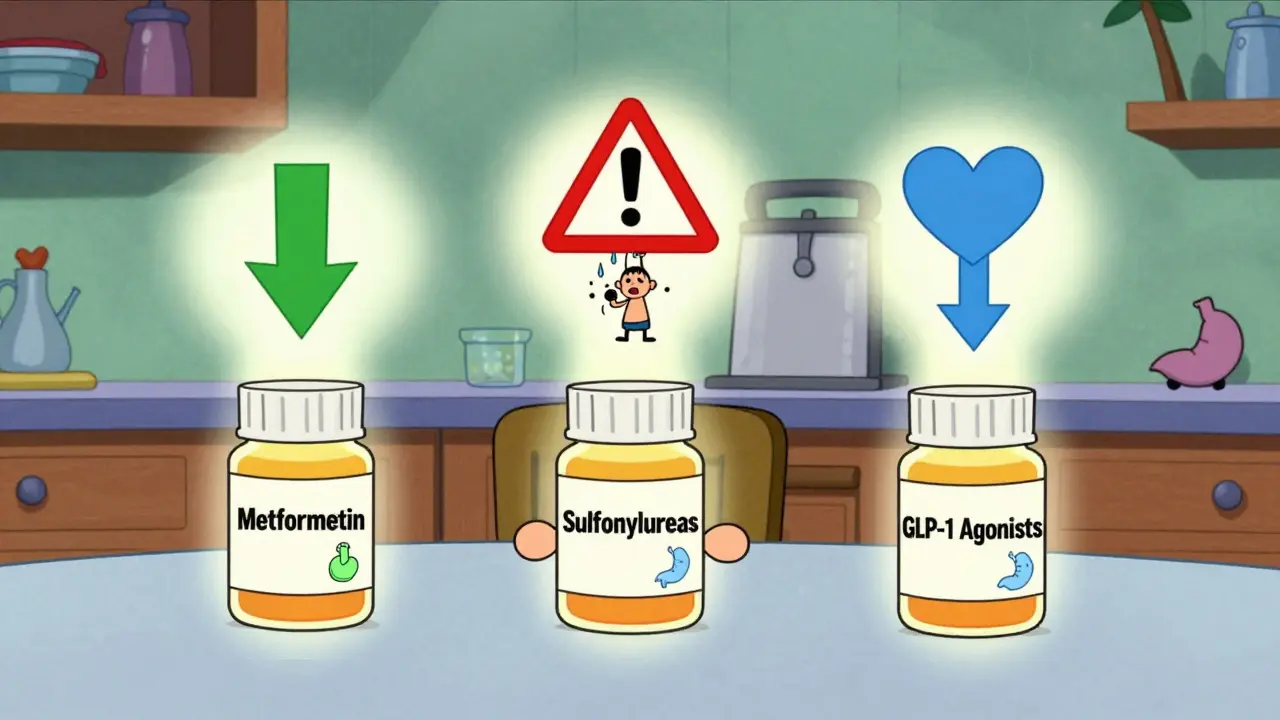
Metformin, sulfonylureas, and GLP-1 agonists are the three main oral medications for type 2 diabetes. Each has different benefits, side effects, and costs. Learn how they compare in effectiveness, safety, weight impact, and real-world use.
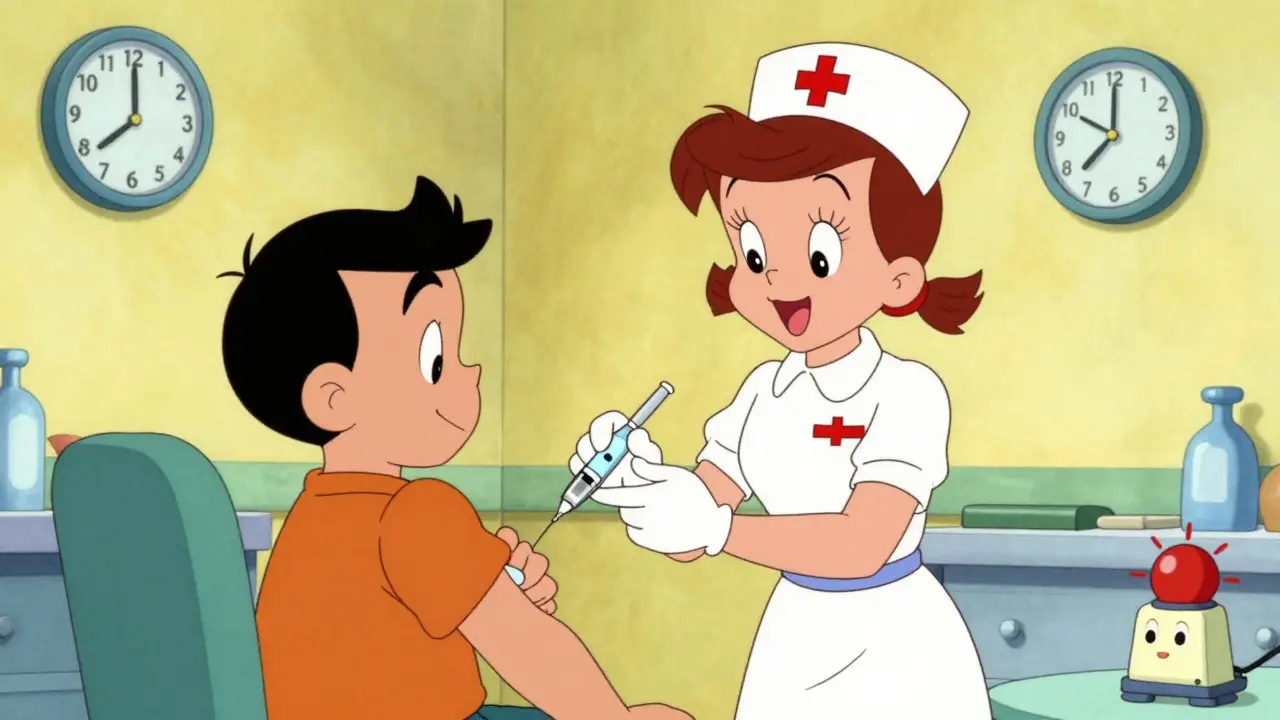
Vaccine allergic reactions are extremely rare, occurring in about 1 in a million doses. Learn what causes them, how they're monitored, and why most people - even those with allergies - can safely get vaccinated.
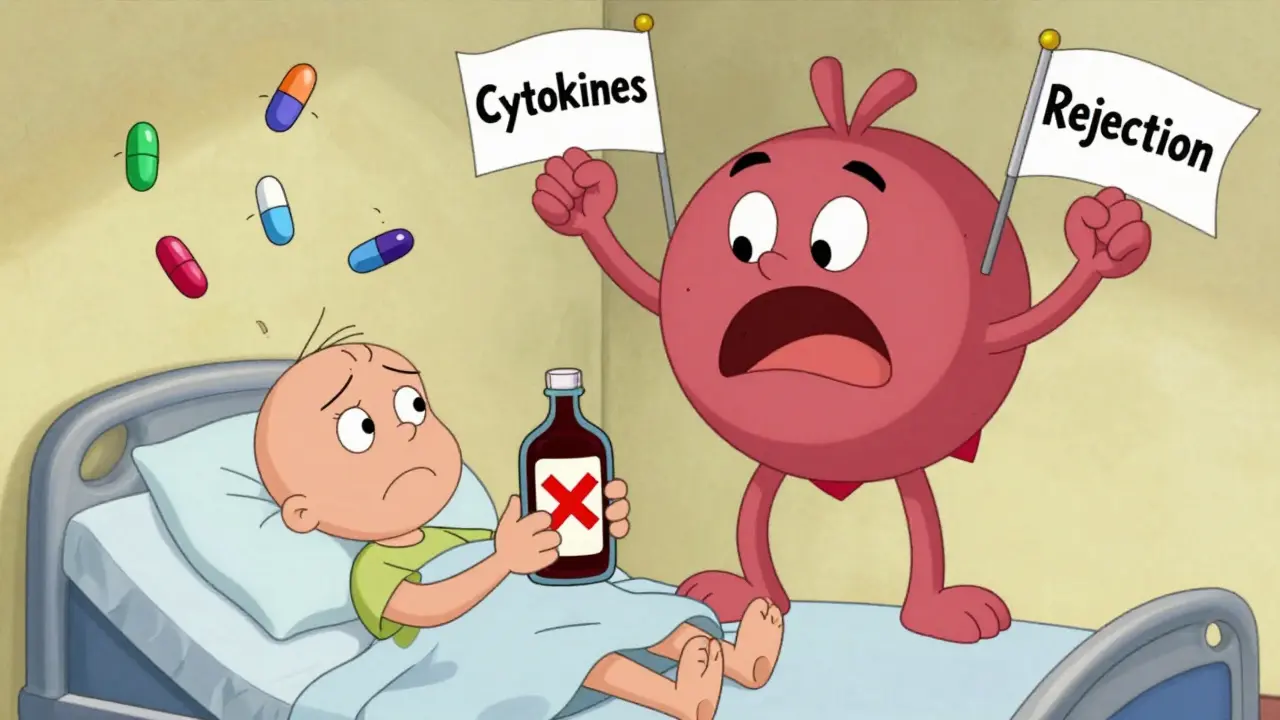
Elderberry may help fight colds, but for people on immunosuppressants, it can trigger rejection or disease flares. Learn why this popular supplement is dangerous and what safer alternatives exist.
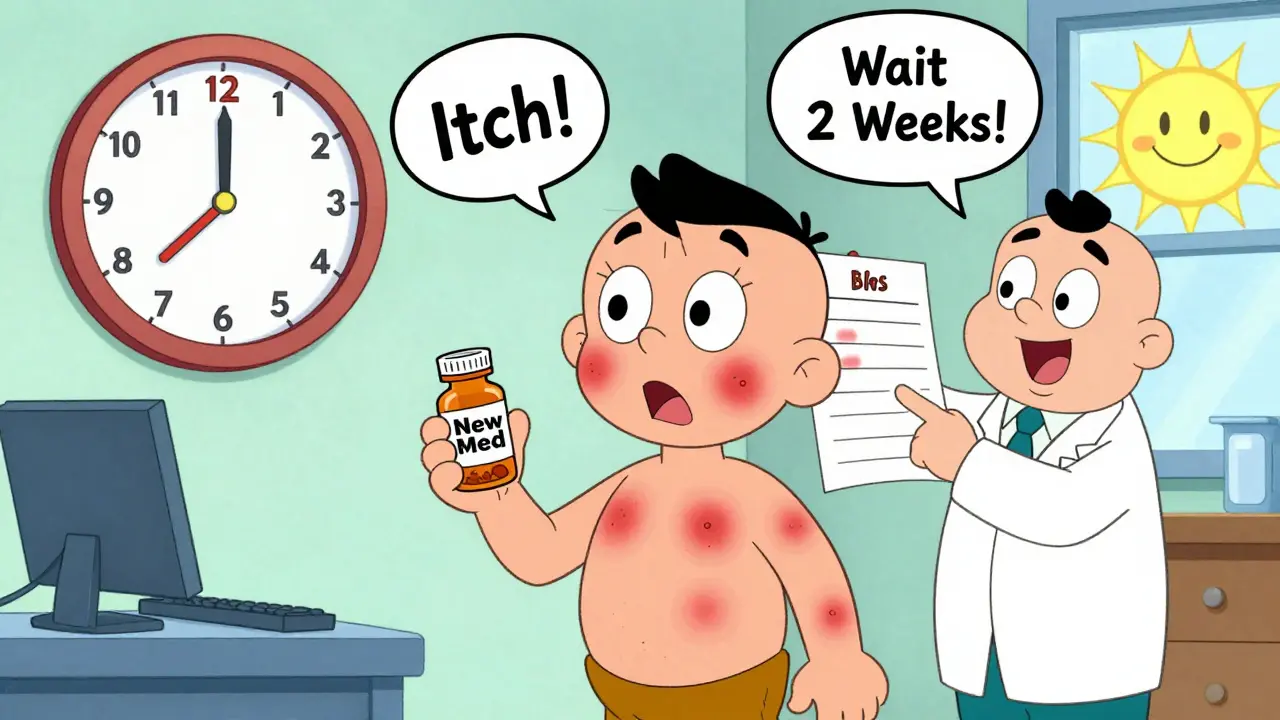
Drug rashes are common but can be harmless or life-threatening. Learn how to spot the signs, which medications cause them, when to seek help, and how to prevent future reactions.
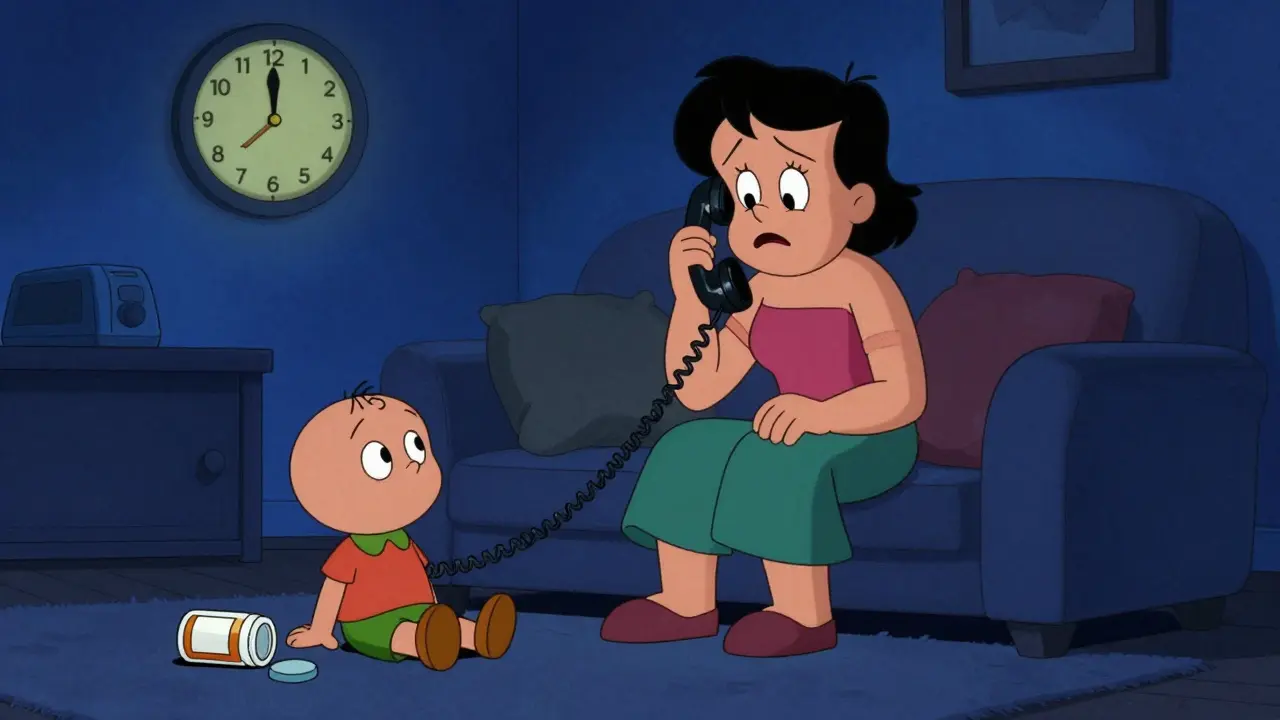
Learn how the Poison Control Hotline works for medication overdoses. Find out what details to report, how specialists respond, and why this service saves lives and money. Get expert advice 24/7 for poisoning incidents.
Opioids pose serious risks like addiction and overdose. Non-opioid alternatives often provide safer, equally effective pain relief. CDC guidelines now prioritize non-opioid treatments for chronic pain. New FDA-approved options like Journavx offer safer choices. Learn evidence-based strategies for safer pain management.
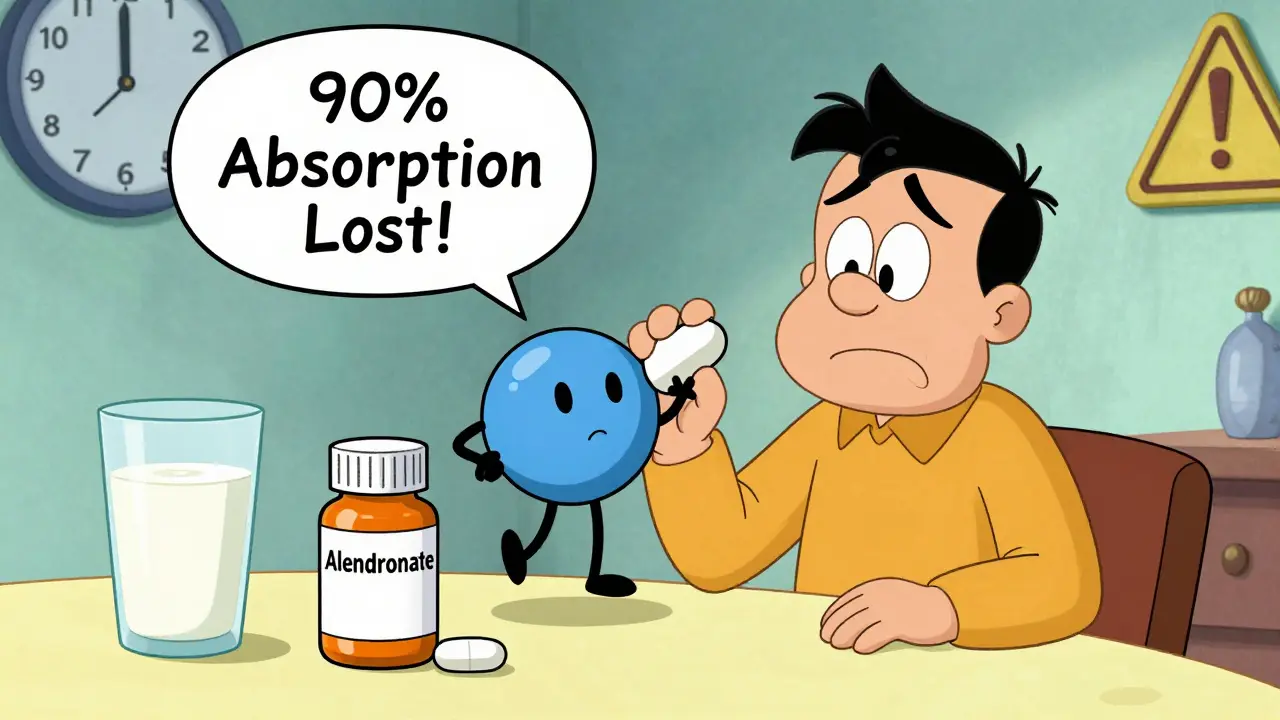
Bisphosphonates and calcium supplements can cancel each other out if taken too close together. Learn the exact timing rules to make your osteoporosis treatment work-and what to do if you’ve been doing it wrong.