

How to Reach the Poison Control Hotline
Dial 1-800-222-1222 from any phone. Your call gets routed to the nearest poison center based on your area code. You can also text 'poison' to 797979 or visit webPOISONCONTROL.org. The service works 24/7, no matter the time of day or day of the week. No insurance or payment is needed-this is a public health service funded by government and hospitals.
What Information to Share When Reporting Medications
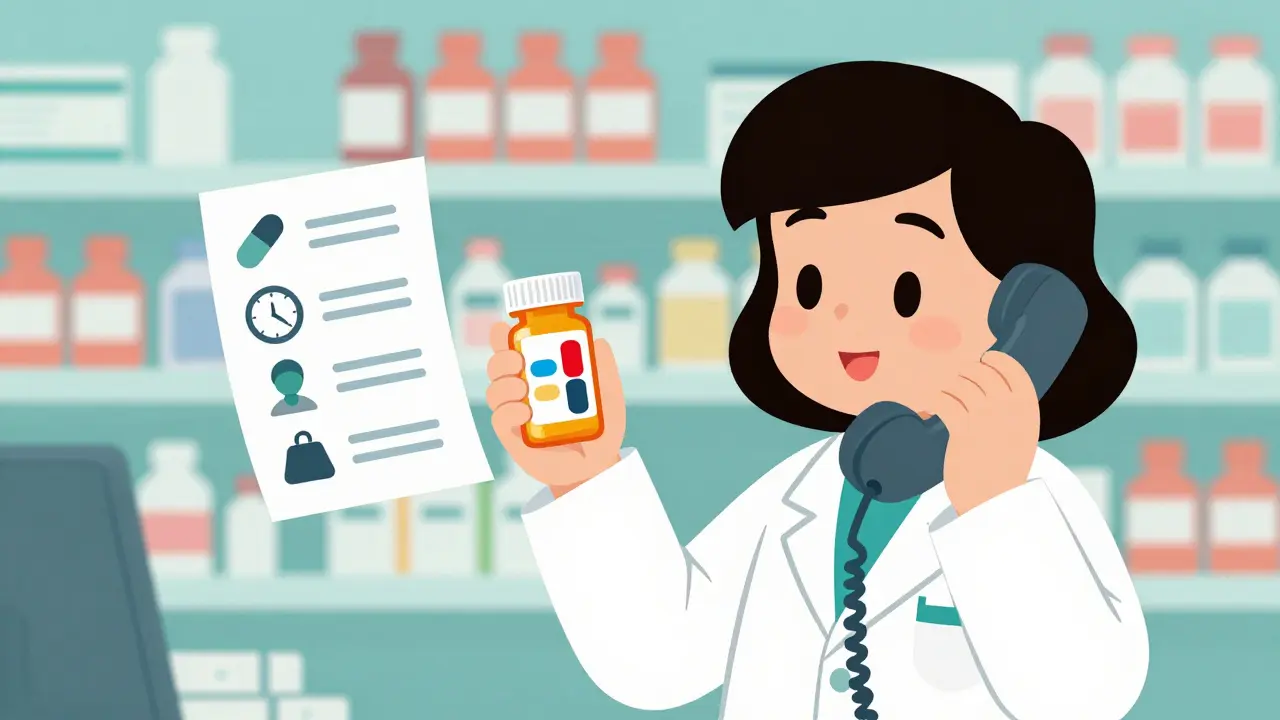
When calling about a medication issue, specialists need specific details. Don't say 'Tylenol'-give the full name like 'Tylenol Extra Strength 500mg tablets'. Include the exact number of pills taken, the time it happened, the patient's age and weight, and any symptoms. For example: 'My 2-year-old swallowed 10 Tylenol 500mg tablets at 3:15 PM. She's vomiting now.' This helps them use the right algorithm to assess risk. Specialists also ask about other medications the person is taking, since 32% of serious cases involve drug interactions.
What Happens After You Call
Specialists use evidence-based protocols to guide you. For medication cases, they'll ask about other drugs the person is taking. Most calls (60%) don't require an ER visit. They might tell you to watch for symptoms at home, give first aid steps, or schedule a follow-up call. For acetaminophen overdoses, they'll check in at 4, 8, and 24 hours to monitor liver function. One study showed 92% of these follow-ups succeed. The National Poison Data System tracks all cases in real-time to improve future responses.
Common Medication Scenarios They Handle
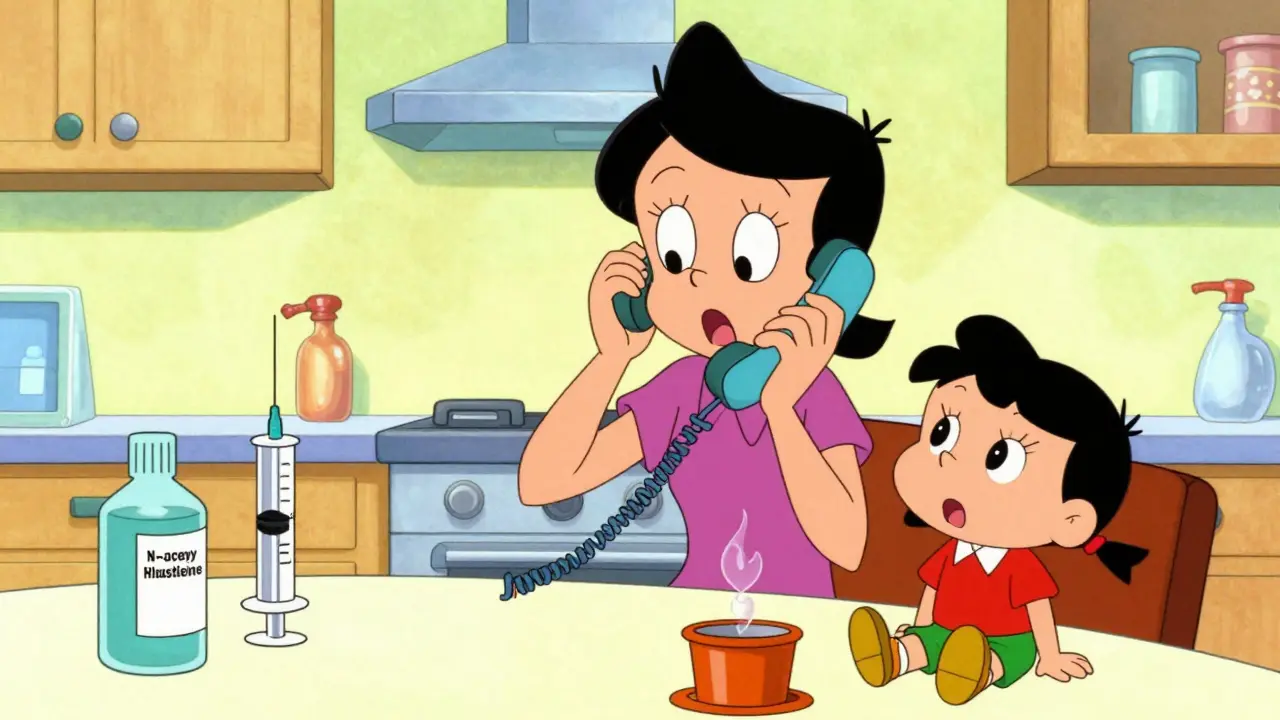
Accidental child ingestions make up nearly half of all cases. A pharmacist on Reddit once shared how hotline advice prevented liver failure in a child who swallowed acetaminophen. They administered N-acetylcysteine within the critical 8-hour window. Drug interactions are another big issue-mixing blood thinners with certain painkillers can cause dangerous bleeding. Specialists also handle new threats like synthetic opioids or weight-loss medications with unexpected side effects.
Why This Service Is Essential
Poison control centers save money and lives. Every dollar invested returns $7.67 in savings. Hospitals rely on them-100% of trauma centers have referral protocols. They also track new threats, like synthetic drug outbreaks. Without this service, ER visits for medication issues would skyrocket. Specialists in Poison Information (SPIs) are trained pharmacists, nurses, or doctors who handle 2.1 million cases yearly. They use 1,540 evidence-based algorithms to assess risks quickly.
Is the Poison Control Hotline free?
Yes. The service is completely free for everyone. It's funded by government appropriations (62%), hospital subsidies (28%), and state grants (10%). No insurance, payment, or identification is required.
Do I need to call 911 instead of the Poison Control Hotline?
Call 911 immediately if someone is unconscious, having seizures, or struggling to breathe. For less urgent cases like a child swallowing a pill, the Poison Control Hotline is the right first step. Specialists will tell you if an ER visit is needed.
Can I report a medication overdose online?
Yes. Visit webPOISONCONTROL.org and answer six questions: substance, amount, age, weight, time of exposure, and zip code. The tool generates evidence-based advice in 2.6 minutes on average. However, for severe symptoms or multiple substances, always call 1-800-222-1222 directly.
What if I don't know the exact medication name?
Describe the pill-color, shape, markings, or packaging. If it's in a bottle, read the full name on the label. Specialists can identify unknown medications using the National Poison Data System. For example, 'a white oval pill with 'L484' on one side' is acetaminophen. Never guess-provide as much detail as possible.
How quickly do specialists respond?
Most calls are answered within 30 seconds. For urgent cases, specialists prioritize immediate guidance. The average consultation for medication exposures takes 8-12 minutes. Follow-up calls for high-risk cases like acetaminophen overdoses happen within hours. Only 1.2% of users report delays longer than 90 minutes.


Elliot Alejo
Poison Control is a vital service that saves lives and money. The data shows it prevents unnecessary ER visits. Every household should have the number saved. It's important to know exactly what to report when calling-like the full medication name and amount.