
When you're breastfeeding, every pill, drop, or injection feels like a high-stakes decision. You want to feel better - maybe you have a headache, an infection, or low mood - but you’re terrified of harming your baby. The truth? Most medications are safe. But misinformation still causes too many moms to quit breastfeeding unnecessarily. Around 10-15% of women stop nursing because they’re told a medication isn’t safe, when in reality, it’s perfectly fine. The key isn’t avoiding medicine - it’s choosing the right one.
What Makes a Medication Safe While Breastfeeding?
Not all drugs behave the same in breast milk. What matters most is how much of the drug actually gets into your milk, and how much your baby absorbs. The gold standard for measuring this is the Relative Infant Dose (RID). It’s the percentage of your dose that ends up in your baby’s system. Anything under 10% is generally considered low risk. Most common medications have RIDs far below that - often under 1%. The good news? Your baby isn’t getting a full dose. Even if a drug shows up in breast milk, their tiny bodies can’t absorb it all. Their liver and kidneys aren’t fully developed, so they clear drugs slower than adults - but that doesn’t mean they’re at risk if the amount is small. The real danger comes from drugs with high RIDs, long half-lives (meaning they stick around), or known toxicity in infants.Pain Relief: What You Can Take Without Worry
Headache? Muscle soreness? Postpartum pain? You don’t have to suffer. Two drugs are universally recommended: acetaminophen (Tylenol) and ibuprofen (Advil, Motrin). Acetaminophen has an RID of just 0.04-0.23%. That means your baby gets less than a quarter of a percent of your dose. It’s the same dose given to newborns in hospitals. Ibuprofen is slightly higher at 0.38-1.85%, but still considered safe. Both are cleared quickly, don’t build up, and have zero documented harm in breastfed infants. Avoid naproxen (Aleve) for long-term use. Its half-life is 12-17 hours, which means it lingers. There are rare reports of bleeding, anemia, and vomiting in babies exposed to naproxen over weeks. If you need it for a few days, it’s probably fine - but don’t make it your daily go-to. Opioids are trickier. Codeine is off-limits. Some people metabolize it into morphine faster than normal, which can cause dangerous sedation or breathing problems in babies. The FDA issued a black box warning for this. Morphine and hydromorphone are safer options if you need strong pain relief - but use the lowest dose for the shortest time. Always watch your baby for unusual sleepiness, poor feeding, or slow breathing.Antibiotics: Common Infections, Safe Choices
A urinary tract infection, mastitis, or a wound infection doesn’t mean you have to stop breastfeeding. Most antibiotics are safe - and some are even better than others. Penicillins like amoxicillin and cephalosporins like cephalexin are first-line choices. Their RID is 0.3-1.5%. No adverse effects have been reported in thousands of cases. Vancomycin is also safe - it doesn’t get absorbed well in the baby’s gut, so it’s unlikely to cause harm. Macrolides like azithromycin are preferred over erythromycin. Azithromycin has an RID under 0.1% and no known side effects. Erythromycin has a small theoretical risk of causing infant pyloric stenosis - a rare condition that causes vomiting - based on a few case reports. Fluoroquinolones like ciprofloxacin have an RID of 0.5-1.0%. Animal studies raised concerns about cartilage damage, but no cases have ever been seen in breastfed babies. If you need it for a serious infection, it’s acceptable. Doxycycline is safe for short courses (up to 21 days). Long-term use could theoretically affect tooth color, but there are no documented cases in breastfed infants. If your doctor prescribes it for acne or Lyme disease, don’t panic - just stick to the recommended time limit.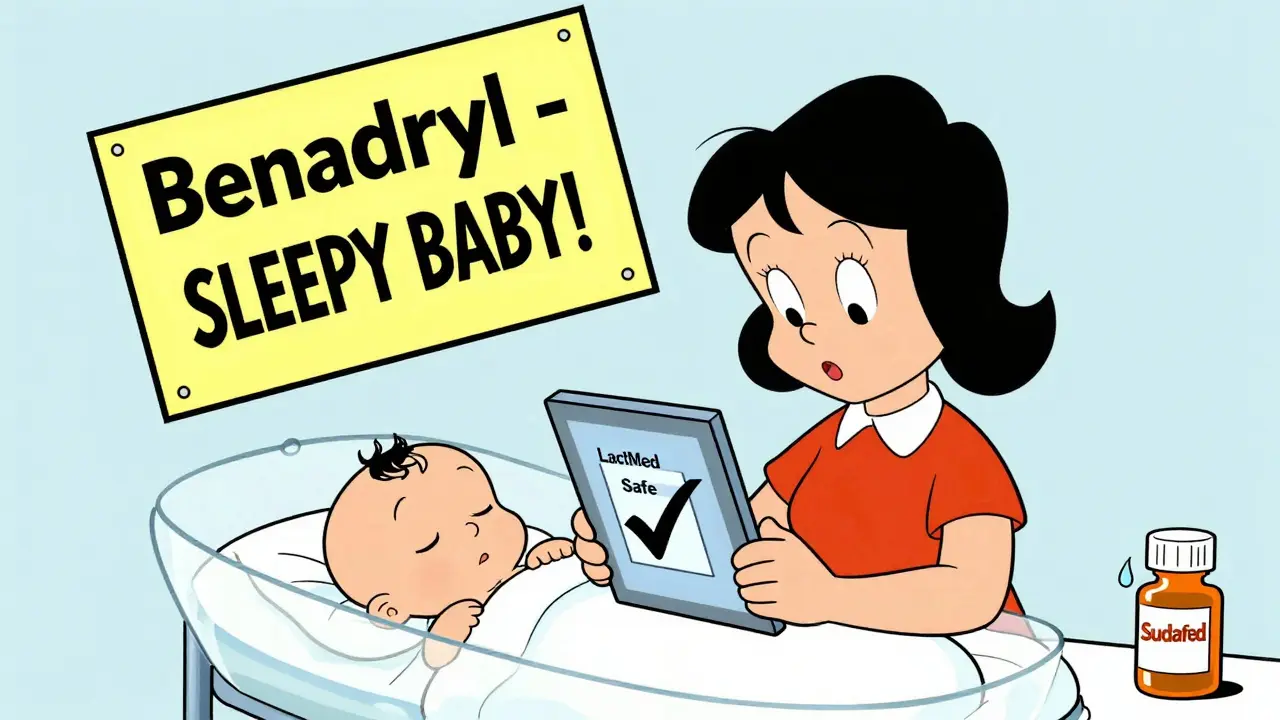
Antidepressants and Anxiety Medications
Postpartum depression affects 1 in 7 mothers. Not treating it is far riskier than taking medication. The goal is to find the drug with the lowest transfer and best safety record. Sertraline (Zoloft) is the top pick. Its RID is 1.7-7.0%, but infant blood levels are often undetectable. Thousands of studies show no developmental delays or behavioral issues in babies exposed to sertraline. Paroxetine (Paxil) is also well-studied and safe, with similar low transfer. Fluoxetine (Prozac) is less ideal. It sticks around for days - half-life of 4-6 days. That means it builds up in your system and your baby’s. A 2021 study found 2% of exposed infants had irritability or feeding problems. If you’re on fluoxetine and your baby seems unusually fussy or sleeps too much, talk to your doctor. For anxiety, lorazepam (Ativan) is preferred. It’s short-acting (half-life 10-20 hours) and has an RID under 1%. Avoid clonazepam (Klonopin) - its half-life is 30-40 hours. It can make babies sleepy and weak. Use benzodiazepines only for short-term relief. Antipsychotics like quetiapine (Seroquel) and risperidone (Risperdal) are also options. At standard doses, they transfer minimally. Long-term studies show normal development in infants exposed to these drugs.Allergy and Cold Medicines
Allergies don’t take a break after baby arrives. But not all allergy meds are created equal. Nasal sprays like fluticasone (Flonase) and budesonide (Rhinocort) are ideal. They barely enter your bloodstream, so almost nothing reaches your milk. You can use them daily without worry. Second-generation antihistamines are your friends: loratadine (Claritin), cetirizine (Zyrtec), and fexofenadine (Allegra). All have RIDs under 0.5%. No sedation, no feeding issues. Loratadine has been studied in over 150 breastfeeding mothers with zero adverse effects. First-generation antihistamines like diphenhydramine (Benadryl) are risky. They’re sedating for babies - one study found 5% of infants became unusually sleepy. They can also reduce milk supply. Avoid them unless you have no other choice. Pseudoephedrine (Sudafed) is a sneaky one. It doesn’t hurt your baby - but it can dry up your milk. One study showed a 24% drop in milk production after a single 60mg dose. If you need a decongestant, try saline rinses or a humidifier instead.When You Must Stop Breastfeeding - And What to Do Instead
There are a few clear red flags. These are the only medications that truly require you to stop nursing:- Radioactive iodine (I-131) - Used for thyroid cancer or hyperthyroidism. It concentrates in breast milk and can damage your baby’s thyroid. You must stop breastfeeding for 3-6 weeks. Pump and dump during this time to maintain supply.
- Anticancer drugs - Chemotherapy agents like methotrexate or doxorubicin are toxic. Breastfeeding is paused during treatment and only resumed after your doctor confirms clearance.
- Lithium - Used for bipolar disorder. It transfers heavily into milk (30-50% of maternal levels). If you’re on lithium, your baby needs weekly blood tests to check levels. If monitoring isn’t possible, formula feeding is recommended.
How to Find Reliable Information - And Avoid Misinformation
Don’t rely on Google, friends, or even your pharmacist’s memory. Use trusted, evidence-based sources:- LactMed - A free database from the U.S. National Library of Medicine. It gives you exact RID numbers, milk-to-blood ratios, and infant case reports. Search any drug, any time.
- InfantRisk Center - Run by Dr. Christina Chambers. They offer real-time advice by phone or online. Over 15,000 providers use them yearly.
- MotherToBaby - A U.S.-based service that gives personalized risk assessments. They’ve tracked over 1,200 breastfeeding medication exposures.
- Hale’s Lactation Risk Categories - A simple system: L1 (safest) includes acetaminophen, ibuprofen, sertraline, and loratadine. L5 (contraindicated) includes radioactive iodine and lithium without monitoring.
What to Watch For in Your Baby
Most babies won’t react at all. But if you start a new medication, watch for:- Unusual sleepiness or difficulty waking for feeds
- Poor feeding or refusal to nurse
- Excessive fussiness or irritability
- Rash or diarrhea (especially after antibiotics)
- Slowed weight gain
Final Rule of Thumb
If a drug is safe for your baby to take directly - like infant acetaminophen or infant ibuprofen - it’s almost always safe for you to take while breastfeeding. The dose in milk is tiny. The bigger risk isn’t the medicine. It’s stopping breastfeeding because you were scared. You don’t have to choose between being healthy and being a mom. With the right information, you can do both.Can I take ibuprofen while breastfeeding?
Yes. Ibuprofen is one of the safest pain relievers for breastfeeding mothers. It transfers in very small amounts (RID 0.38-1.85%), clears quickly from your system, and has no documented harmful effects on infants. It’s recommended by the American Academy of Family Physicians and Mayo Clinic as a first-line option.
Is Zoloft safe while breastfeeding?
Yes. Sertraline (Zoloft) is the most recommended antidepressant for breastfeeding mothers. Studies show it transfers minimally into breast milk, with infant blood levels often undetectable. Thousands of babies have been exposed with no developmental or behavioral issues. It’s considered a first-line choice by the American Academy of Pediatrics and Women’s Mental Health organizations.
Can I use Benadryl while breastfeeding?
It’s not recommended. Diphenhydramine (Benadryl) can cause drowsiness in breastfed infants and may reduce milk supply. While occasional use might not cause harm, it’s better to choose non-sedating alternatives like loratadine (Claritin) or cetirizine (Zyrtec), which have no documented side effects in babies.
Does Sudafed reduce milk supply?
Yes. Pseudoephedrine (Sudafed) can reduce milk production by up to 24% in some women. It’s a vasoconstrictor that affects blood flow to the breasts. If you need a decongestant, try saline nasal sprays, steam inhalation, or a humidifier instead. If you must use Sudafed, take it after a feeding and monitor your supply closely.
What should I do if I need antibiotics?
Most antibiotics are safe. Penicillins (like amoxicillin) and cephalosporins (like cephalexin) are first-choice options with no known risks. Avoid clindamycin if possible - it can cause diarrhea in babies. Always finish your full course, even if you feel better. Stopping early risks infection returning and could lead to more serious complications.
Is it safe to breastfeed after getting a vaccine?
Yes. All vaccines - including COVID-19, flu, Tdap, and MMR - are safe during breastfeeding. In fact, your antibodies pass into your milk and may help protect your baby. There’s no need to delay or stop breastfeeding after vaccination.


Jane Lucas
i just took ibuprofen last night and my baby slept for 5 hours straight lol i thought i killed her