
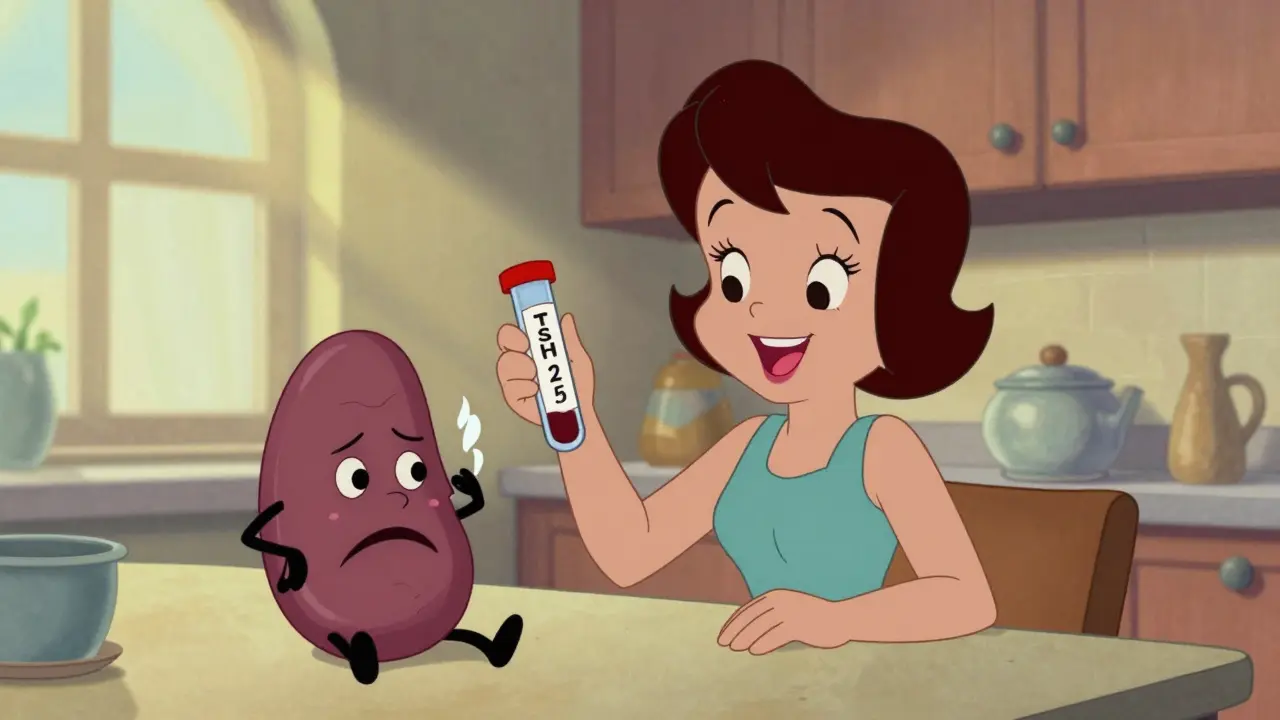
Trying to get pregnant and not sure why it’s not happening? Your thyroid might be the missing piece. Many women don’t realize that even a slightly off thyroid can block fertility - not because it’s severely out of range, but because it’s just a little too high. The number that matters most is TSH, and if it’s above 2.5 mIU/L before you start trying, you’re at higher risk for trouble - even if your doctor says your thyroid is "normal."
Why TSH Matters More Than You Think
TSH, or thyroid-stimulating hormone, is the signal your brain sends to your thyroid to make more hormones. When TSH is high, your thyroid isn’t producing enough. That might sound minor, but in fertility, it’s anything but. Low thyroid hormone levels can stop ovulation. Without ovulation, there’s no egg to fertilize. Even if you’re ovulating, a thyroid that’s barely holding on can make it harder for an embryo to implant or lead to early miscarriage. Studies show women with unexplained infertility are nearly twice as likely to have TSH levels at or above 2.5 mIU/L compared to women who conceive easily. In one large study, 4.8% of women with unexplained infertility had TSH ≥2.5, while only 2.6% of fertile women did. That difference isn’t random. It’s biology.The 2.5 mIU/L Rule - Where It Came From
The recommendation to keep TSH below 2.5 mIU/L before conception didn’t come out of nowhere. It’s based on over a decade of research led by the American Thyroid Association. They looked at thousands of pregnancies and found that women with TSH levels above 2.5 had a higher chance of miscarriage, preterm birth, and developmental issues in their babies. The brain of a developing fetus relies entirely on the mother’s thyroid hormones during the first 12 weeks. If those hormones are low, it can affect IQ and motor skills later in life. This target is stricter than the general population range (which often goes up to 4.0 or 4.5 mIU/L). That’s because pregnancy changes everything. Your body needs more thyroid hormone - up to 50% more - just to keep up. If you’re already running low before you get pregnant, you’ll crash fast once conception happens.What If You Have Hashimoto’s?
If you’ve been diagnosed with Hashimoto’s thyroiditis - the most common cause of hypothyroidism - your needs are even higher. Your immune system is attacking your thyroid, which means your gland is already struggling. During early pregnancy, your body’s demand for thyroid hormone spikes even more. Studies show that women with Hashimoto’s need to aim for TSH between 1.25 and 1.75 mIU/L before conceiving to stay safe during the first trimester. Don’t wait until you’re pregnant to fix this. By then, it might be too late. Start working with your doctor at least 3 to 6 months before you plan to try. Adjust your levothyroxine dose now, not later.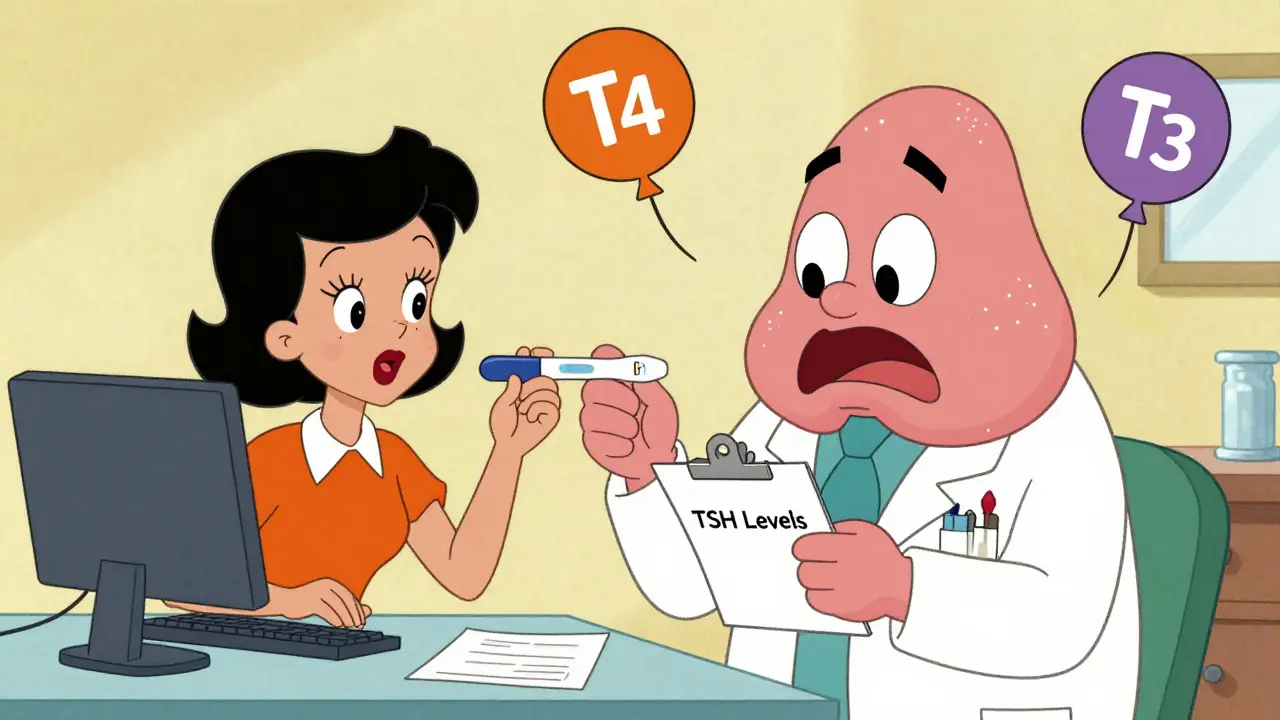
Levothyroxine - The Only Safe Option
If you need medication, levothyroxine is the gold standard. It’s synthetic T4, identical to what your thyroid makes. It’s safe, predictable, and proven. Avoid anything labeled "natural" thyroid - like Armour Thyroid or Nature-Throid. These are made from pig thyroid glands and contain both T3 and T4 in unpredictable ratios. They can cause spikes and crashes in hormone levels, which is dangerous during pregnancy. InVia Fertility Center and other top reproductive clinics specifically warn against them. Dosing matters. Most women need a 25-50% increase in their levothyroxine dose as soon as they get pregnant. But here’s the problem: a 2019 study found that only 37% of women got this adjustment on time. Many doctors don’t know to check thyroid levels right after a positive pregnancy test. Don’t assume your doctor will catch it. Bring this up yourself. Ask for a TSH test at your first prenatal visit - and insist on a target below 2.5.What About TSH Between 2.5 and 4.5?
This is where things get messy. Some studies say if your TSH is between 2.5 and 4.5, and you don’t have thyroid antibodies, treatment doesn’t help. One study of women undergoing IUI found no difference in pregnancy or miscarriage rates between those with TSH under 2.5 and those between 2.5 and 4.5. But here’s what those studies miss: they often exclude women with antibodies. If you have Hashimoto’s - even if your TSH is "normal" - your risk of miscarriage goes up by 50%. A 2023 ASRM guideline says treating these women with levothyroxine reduces miscarriage risk by 45% and improves live birth rates by 36%. So if you have thyroid antibodies, don’t wait for your TSH to climb above 2.5. Treat it early.Testing and Monitoring - The Right Way
Screening isn’t universal - ACOG doesn’t recommend it for all women. But if you’re trying to conceive, especially after 6 months of unexplained infertility, get tested. TSH, free T4, and thyroid antibodies (TPOAb) should all be checked at your first fertility visit. Once you start levothyroxine, don’t just take it and forget it. Test TSH every 4 weeks until it’s stable under 2.5. It takes about 6 weeks for your body to reach steady state after a dose change. Once you’re pregnant, test again at 4-6 weeks, then every 4-6 weeks through the first half of pregnancy. Many women stop testing after the first trimester, but your needs keep changing. Keep going until week 20.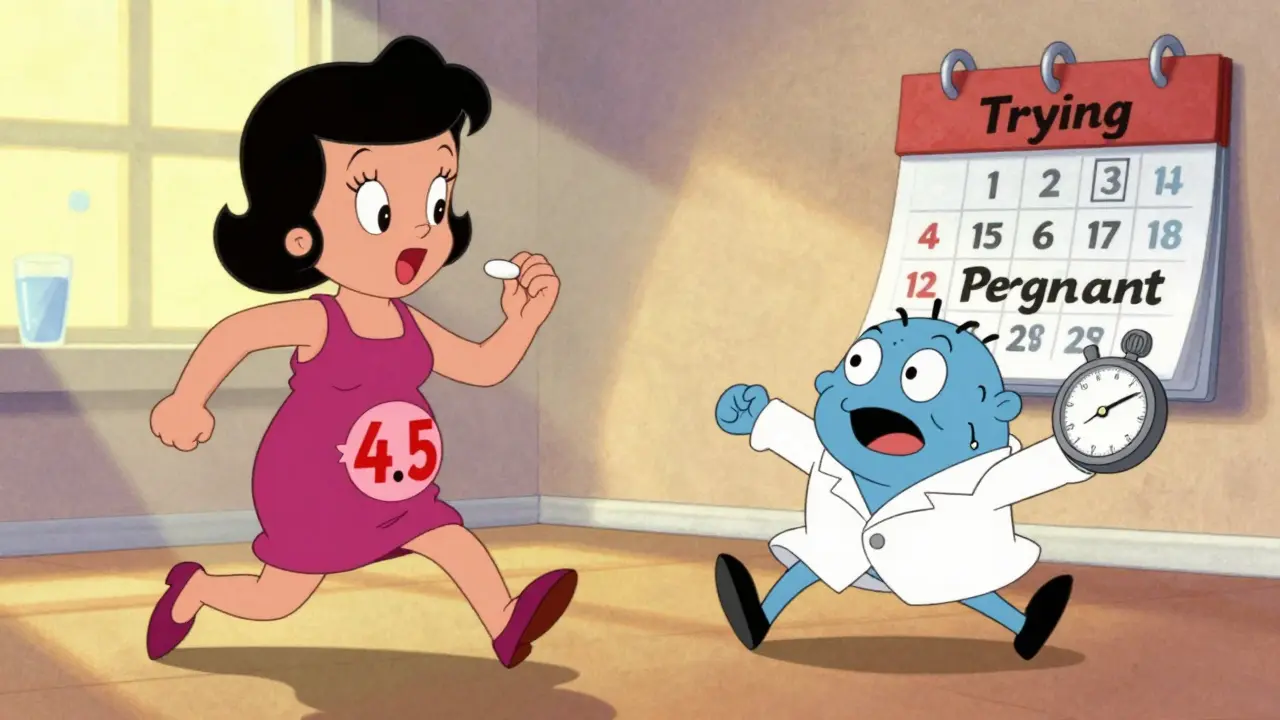
How to Take Levothyroxine Right
Taking your pill wrong can make it useless. Here’s what actually works:- Take it first thing in the morning, on an empty stomach.
- Wait at least 30 minutes before eating or drinking anything except water.
- Avoid calcium, iron, magnesium, and antacids for at least 4 hours after taking it.
- Don’t switch brands without checking with your doctor - different formulations absorb differently.


Gabriella da Silva Mendes
OMG I CANNOT BELIEVE THIS ISN’T COMMON KNOWLEDGE 😭 I tried for 18 months and my TSH was 3.1 - doc said ‘you’re fine’ 🤦♀️ I switched docs, got on levothyroxine, and got pregnant in 2 months. Why are we still letting doctors ignore this? 🤬 #ThyroidAwareness