Hatch-Waxman Act: How Generic Drugs Got Legal and Affordable
When you pick up a generic pill at the pharmacy, you’re benefiting from a law passed in 1984 called the Hatch-Waxman Act, a U.S. law that created a legal pathway for generic drugs to enter the market without repeating expensive clinical trials. Also known as the Drug Price Competition and Patent Term Restoration Act, it’s the reason why you can buy the same medicine as a brand-name drug for 80% less.
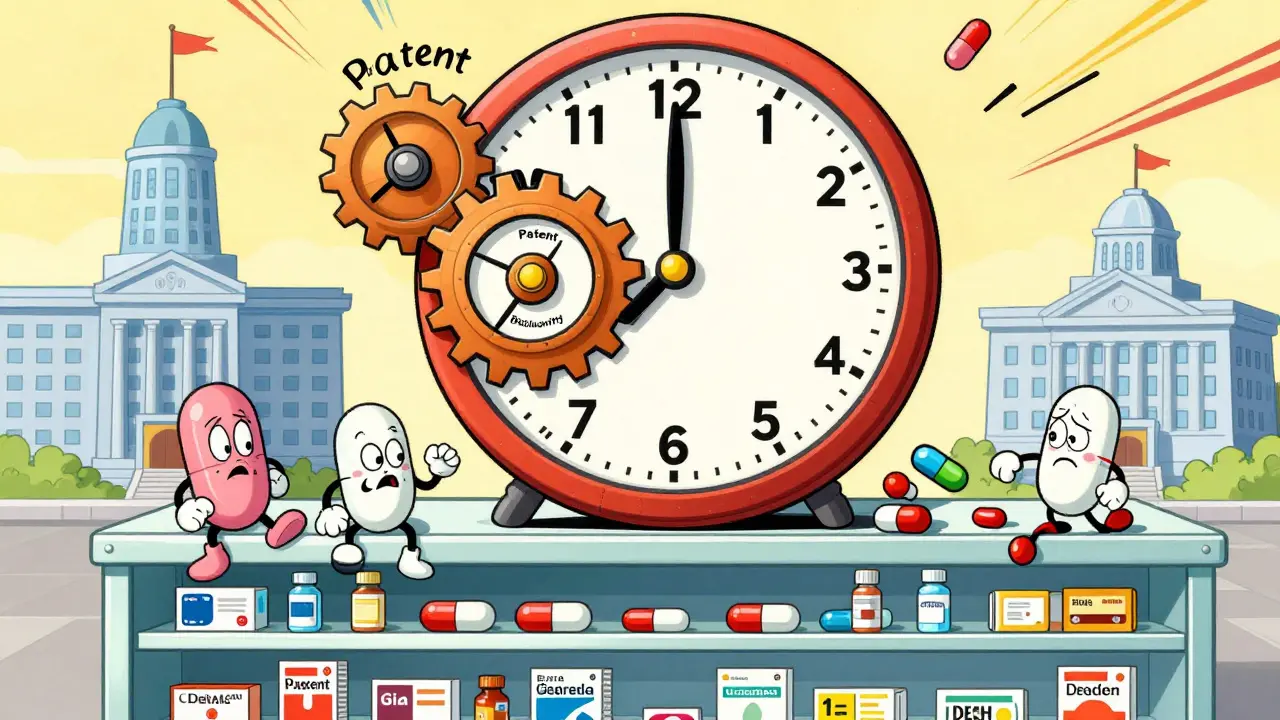
This law didn’t just lower prices—it fixed a broken system. Before Hatch-Waxman, brand-name companies held patents that blocked generics for 17 years, even if they didn’t invest in making the drug cheaper. The Act let generic makers prove their versions were bioequivalent, meaning they work the same way in the body as the original without redoing animal or human trials. In return, brand-name companies got extra patent time to make up for delays caused by FDA reviews. This trade-off kept innovation alive while opening the door for competition.
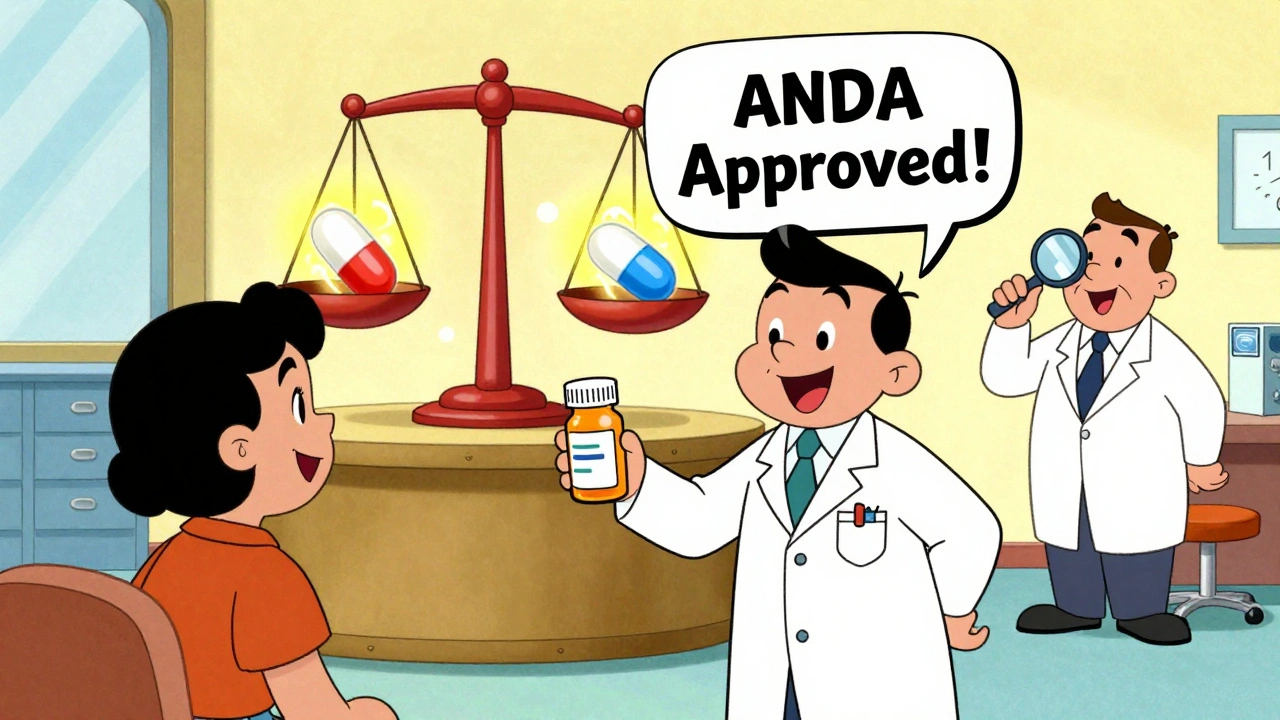
The Act also created the ANDA, Abbreviated New Drug Application, the streamlined filing process that lets generic manufacturers submit proof of equivalence quickly. Today, over 90% of prescriptions in the U.S. are filled with generics—and most of that growth came because of Hatch-Waxman. It’s why drug shortages sometimes hit harder: when one factory makes the active ingredient for dozens of generics, and that factory fails, the whole system feels it. And it’s why you can compare pill shapes and colors across brands—it’s all legal under the same rules.
What you’ll find below are real stories about how this law plays out in daily life: why some generics look different, how patent tricks delay cheaper versions, and what happens when a drug shortage hits. You’ll see how it connects to everything from menopause meds to heart drugs to COVID treatments. This isn’t just about law books—it’s about your wallet, your health, and whether your next prescription will cost $4 or $400.
Patent exclusivity and market exclusivity are two separate legal tools that protect drugs in the U.S. One comes from the patent office, the other from the FDA. Understanding the difference explains why some drugs stay expensive for decades.
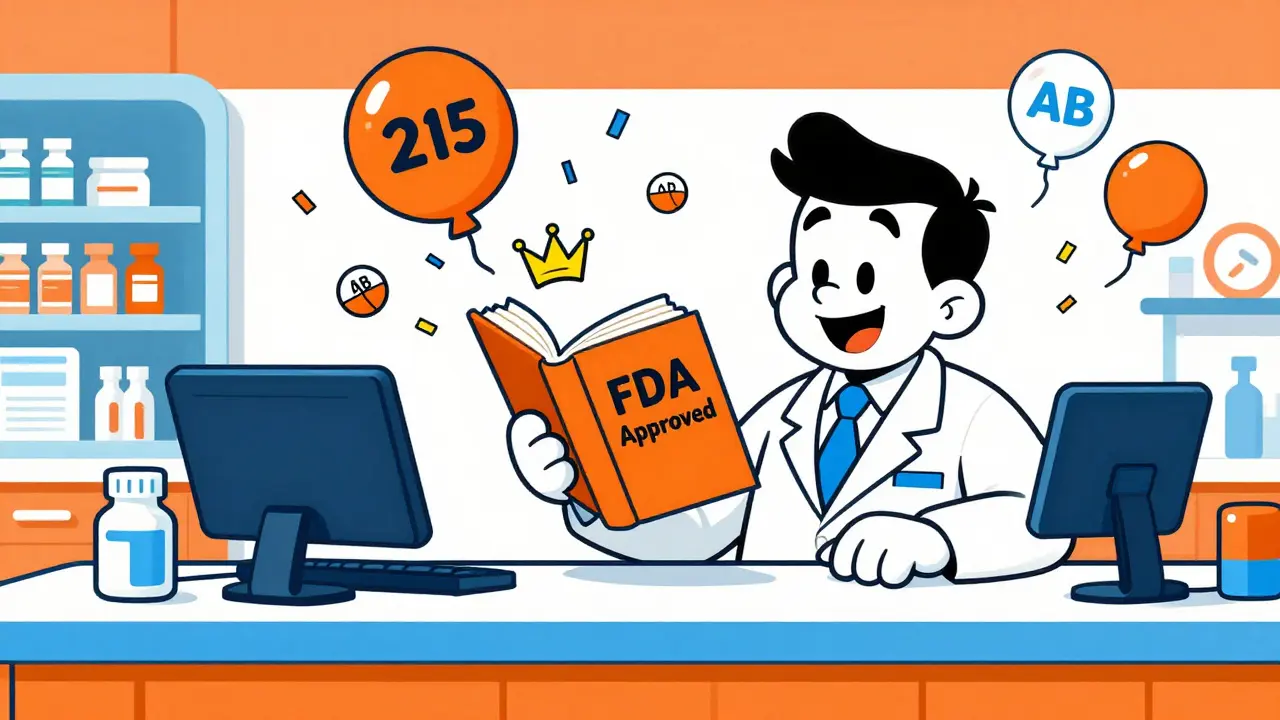
The Orange Book database is the FDA's official record of approved small-molecule drugs, their patents, and therapeutic equivalence ratings-key to understanding how generic drugs enter the market and save billions in healthcare costs.
Learn how the FDA authorizes generic drugs under the Hatch-Waxman Act, the science behind bioequivalence, the approval timeline, and why generics are safe, effective, and up to 85% cheaper than brand-name drugs.