API Production: How Active Pharmaceutical Ingredients Are Made and Why It Matters
When you take a pill for high blood pressure, allergies, or depression, the part that actually works is called an active pharmaceutical ingredient, the chemical compound responsible for the therapeutic effect in a medication. Also known as API, it’s the core of every drug—whether it’s brand name or generic. Without properly made API, the medicine won’t work, or worse, it could hurt you. API production isn’t just mixing powders in a lab. It’s a precise, regulated process that turns raw chemicals into pure, consistent compounds that meet strict global standards. The quality of the API directly affects how safe and effective your medication is.
Most APIs today are made in large-scale facilities, often overseas, where chemical reactions are carefully controlled to avoid impurities. These facilities must follow Good Manufacturing Practices, a set of guidelines ensuring products are consistently produced and controlled according to quality standards. Even small errors—like wrong temperature, impure solvents, or unclean equipment—can create toxic byproducts. That’s why the FDA and other agencies inspect these plants regularly. You might not know it, but the difference between a safe generic pill and a dangerous fake often comes down to how the API was made.
API production also ties directly to drug costs. When a brand-name drug’s patent expires, other companies can make the same API and sell it as a generic. That’s why generic drugs, medications with the same active ingredient as brand-name drugs but sold at lower prices save the U.S. healthcare system billions every year. But not all generics are equal. Some manufacturers cut corners on API purity to save money. That’s why knowing which company made your pill matters—something you can check by looking at the imprint code on the tablet.
Every post in this collection connects back to API production in some way. Whether it’s how smoking changes clozapine levels, why certain antibiotics cause C. diff, or how SSRIs increase bleeding risk when mixed with blood thinners—it all starts with the API. The chemistry, purity, and interaction potential of that single compound determine how your body reacts. Even something as simple as switching generic manufacturers can change how a drug behaves in your system, because API batches vary slightly between factories.
What you’ll find here aren’t just drug comparisons or side effect lists. These are real-world stories about how API quality, manufacturing choices, and regulatory oversight impact your health every day. From the cost of ACA plans to the dangers of counterfeit pills bought online, the thread is the same: if the API isn’t right, nothing else matters.
Drug shortages are preventable. Learn how dual-sourcing, buffer stock, AI, and continuous manufacturing are building resilient pharmaceutical supply chains to keep life-saving drugs available.
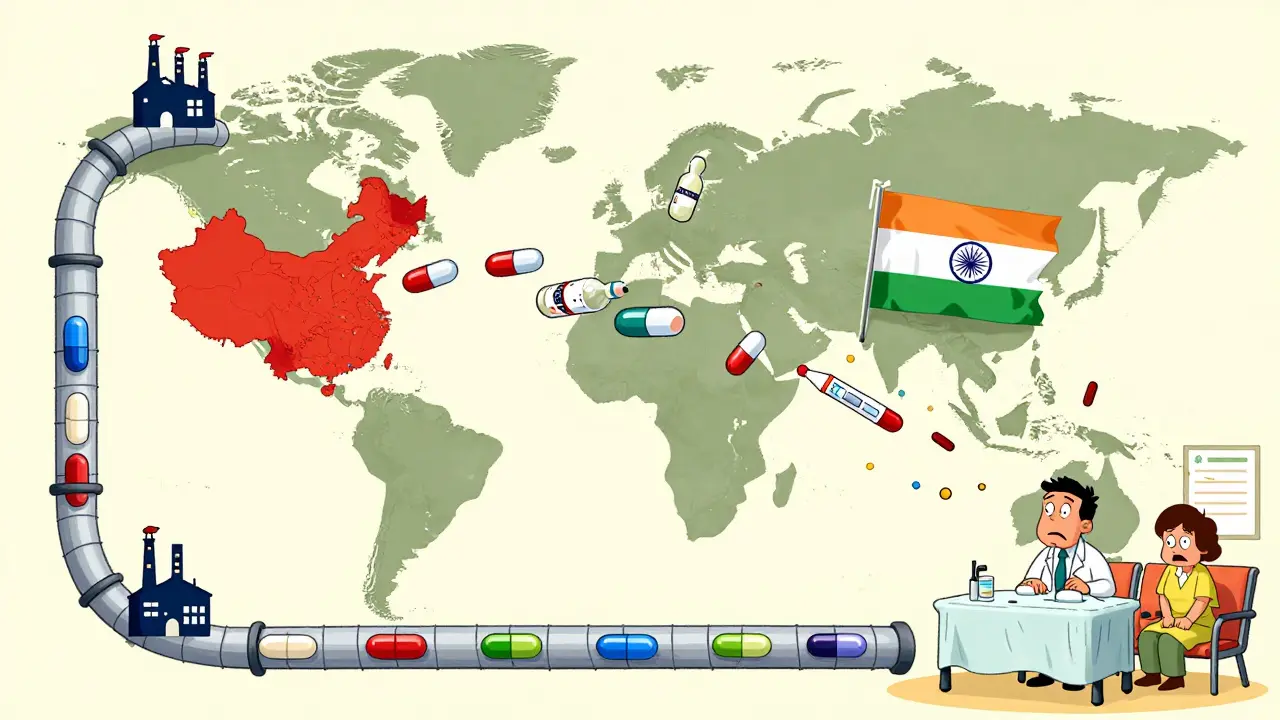
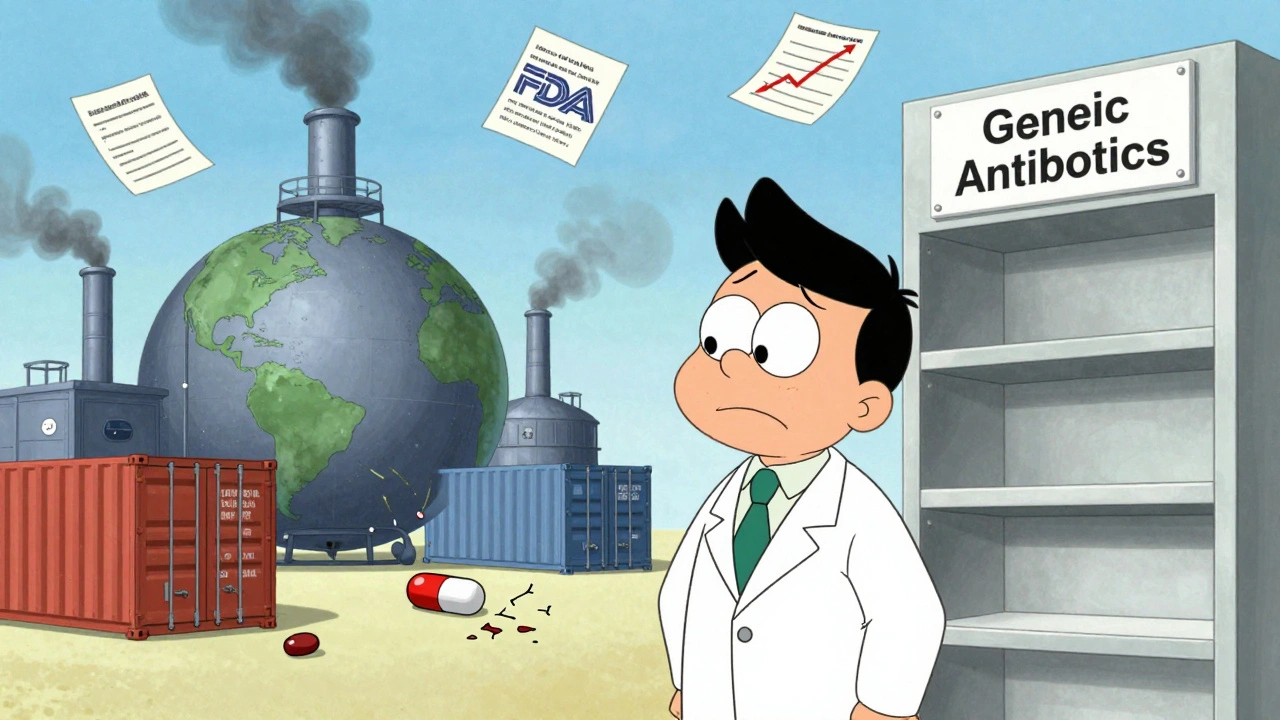
Generic drug shortages are rising due to fragile manufacturing systems, global supply chain risks, and unsustainable pricing. Over 60% of shortages stem from production failures, with most active ingredients made in just two countries. Without better incentives and backup plans, patients will keep paying the price.