Scopolamine: What It Is, How It's Used, and What You Need to Know
When you're on a boat, in a car, or even riding a roller coaster and suddenly feel dizzy or sick to your stomach, scopolamine, a naturally occurring anticholinergic compound used to prevent nausea and vomiting. Also known as hyoscine, it works by blocking signals in your brain that trigger nausea and dizziness. Unlike over-the-counter pills that take time to kick in, scopolamine often comes as a patch placed behind the ear—delivering steady relief for up to 72 hours without you having to remember a dose.
It’s not just for motion sickness. Doctors also use scopolamine before surgery to reduce saliva and prevent vomiting, and sometimes to treat severe nausea during chemotherapy or after anesthesia. But it’s not harmless. Side effects like dry mouth, blurred vision, drowsiness, and confusion are common. In rare cases, especially in older adults, it can cause hallucinations or memory problems. That’s why it’s not something you should grab off a random website—this is a prescription-grade drug with real risks.
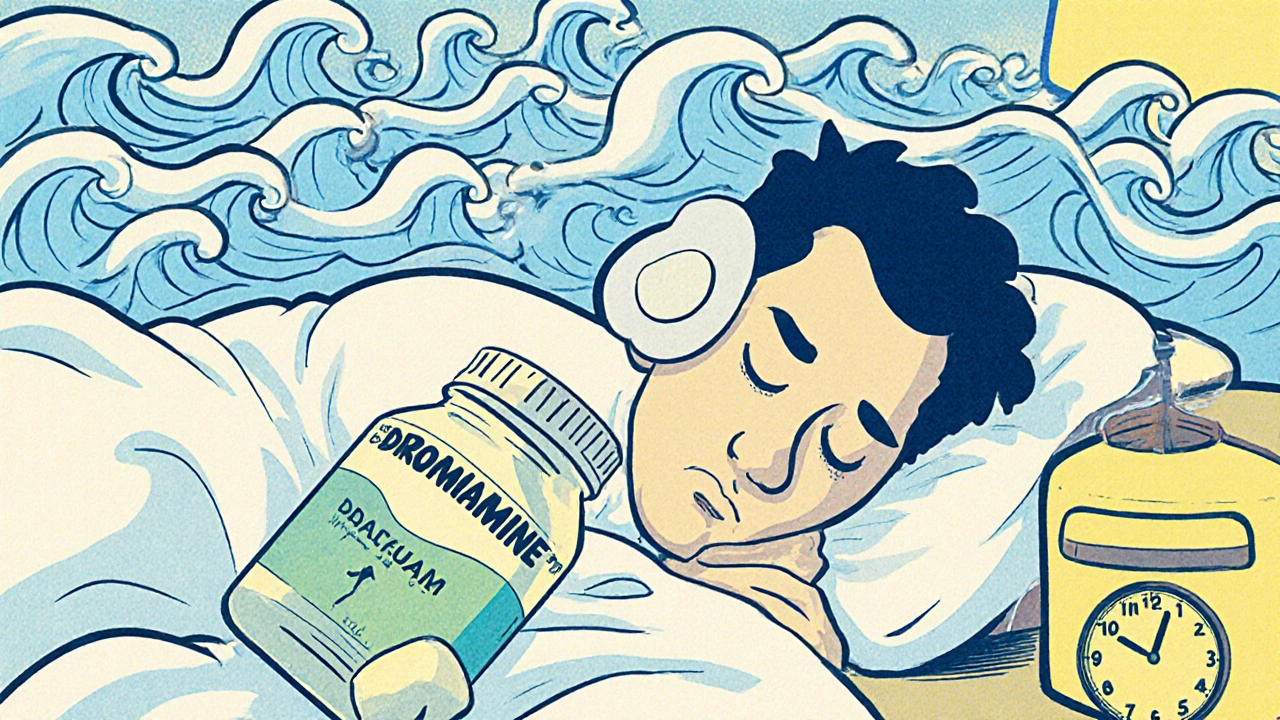
People often confuse scopolamine with other anti-nausea meds like dimenhydrinate (Dramamine) or meclizine. But scopolamine is stronger, longer-lasting, and works differently. It doesn’t just calm your stomach—it talks directly to your brain’s vomiting center. That’s why it’s the go-to for people who get sick on cruises or long flights. But if you’re on other meds—like antidepressants, antihistamines, or painkillers—you could be at risk for dangerous interactions. Always check with a pharmacist or doctor before using it.
There’s also a growing interest in how scopolamine affects mood and memory, with early research looking at its potential in treating depression. But these studies are still early, and self-experimenting with scopolamine—especially buying it online—is risky. Fake patches, wrong dosages, or contaminated products can lead to serious health issues. The same goes for buying from unlicensed pharmacies, where counterfeit versions often contain dangerous chemicals or nothing at all.
What you’ll find below are real, practical guides about scopolamine and similar drugs. You’ll see how it compares to other anti-nausea treatments, what to watch for if you’re using it long-term, and how it fits into broader medication safety discussions—from black box warnings to drug interactions. Whether you’re a patient, caregiver, or just someone trying to understand why that little patch behind your ear works, these posts give you clear, no-fluff answers.
Scopolamine is the most effective motion sickness medication, but its powerful sedative effects can be dangerous when mixed with alcohol, sleep aids, or CBD. Learn how to use it safely - and what alternatives work better for you.