COVID-19 variants: What you need to know about strains, risks, and how they change your health choices
When we talk about COVID-19 variants, different versions of the SARS-CoV-2 virus that have mutated over time, often with changes in how easily they spread or how well they dodge immunity. Also known as SARS-CoV-2 strains, these variants are why a shot you got last year might not protect you as well today. This isn’t science fiction—it’s what happens when a virus copies itself millions of times, and every so often, it gets a little different. Some changes don’t matter. Others make the virus spread faster, cause worse symptoms, or slip past the immunity you built from vaccines or past infections.
Not all variants are created equal. The Omicron, a major variant that emerged in late 2021, brought a wave of infections because it could infect people even if they’d been vaccinated or had COVID before. Also known as B.1.1.529, it changed the game by being highly contagious but often less severe in healthy people. Then came subvariants like XBB.1.5, EG.5, and JN.1—each slightly tweaked to escape immunity better than the last. These aren’t just names on a list; they’re the reason your booster shot was updated in 2023 and 2024. Meanwhile, the viral mutation, the natural process where the virus’s genetic code changes during replication. Also known as genetic drift, it’s what makes new variants possible in the first place. Every time someone gets infected, the virus gets a chance to mutate. That’s why reducing transmission—through vaccines, masks in crowded places, or staying home when sick—still matters.
Here’s the thing: COVID-19 variants don’t just affect how sick you might get—they change how you think about your health. If you’re older, have a weak immune system, or live with chronic conditions, a new variant might mean you need a booster sooner. If you’re healthy, it might mean you still get sick, but less likely to end up in the hospital. The data shows that updated vaccines cut hospitalization risk by 50% or more against recent strains. That’s not perfect, but it’s enough to make a real difference. And while some variants fade away, others stick around, mixing into the background like seasonal flu. That’s why tracking them isn’t just for scientists—it’s for you.
What you’ll find below are real, practical guides on how these variants impact your daily choices: from drug interactions to vaccine timing, from long COVID risks to how testing works now. No fluff. Just what you need to know to stay safe as the virus keeps evolving.
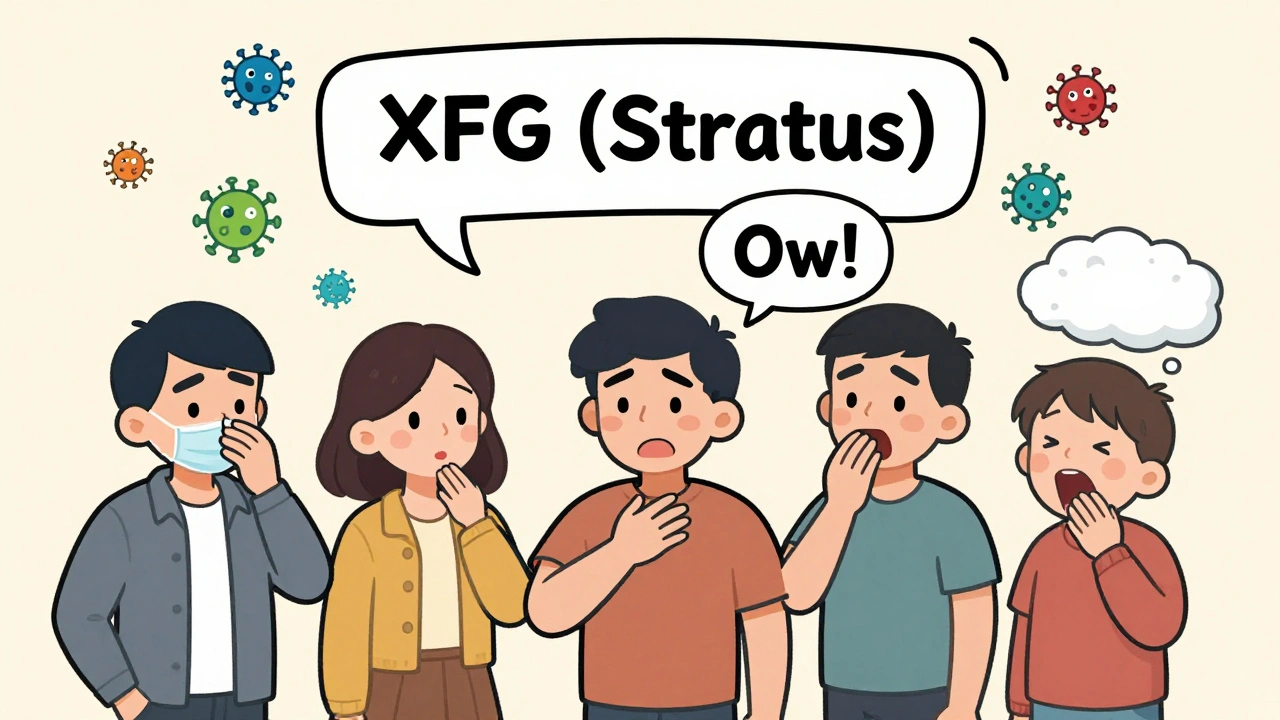
In 2025, COVID-19 symptoms resemble a bad cold, with XFG (Stratus) as the dominant variant. Updated vaccines target KP.2 and JN.1, preventing severe illness. Treatments like Paxlovid remain effective for high-risk groups, and long COVID still affects 20% of survivors.