Antibiotic Risks: What You Need to Know About Resistance, Side Effects, and Safe Use
When you take an antibiotic, a medicine designed to kill or stop the growth of bacteria. Also known as antibacterial agents, they save lives—but only when used correctly. The real danger isn’t the drug itself. It’s what happens when we use them too much, too often, or in the wrong way. Every time you take an antibiotic for a cold or a viral infection, you’re not helping yourself—you’re feeding the rise of antibiotic resistance, when bacteria evolve to survive the drugs meant to kill them. These resistant bugs, often called superbugs, bacteria that no longer respond to standard treatments. They’re not science fiction. They’re in hospitals, homes, and even your local grocery store.
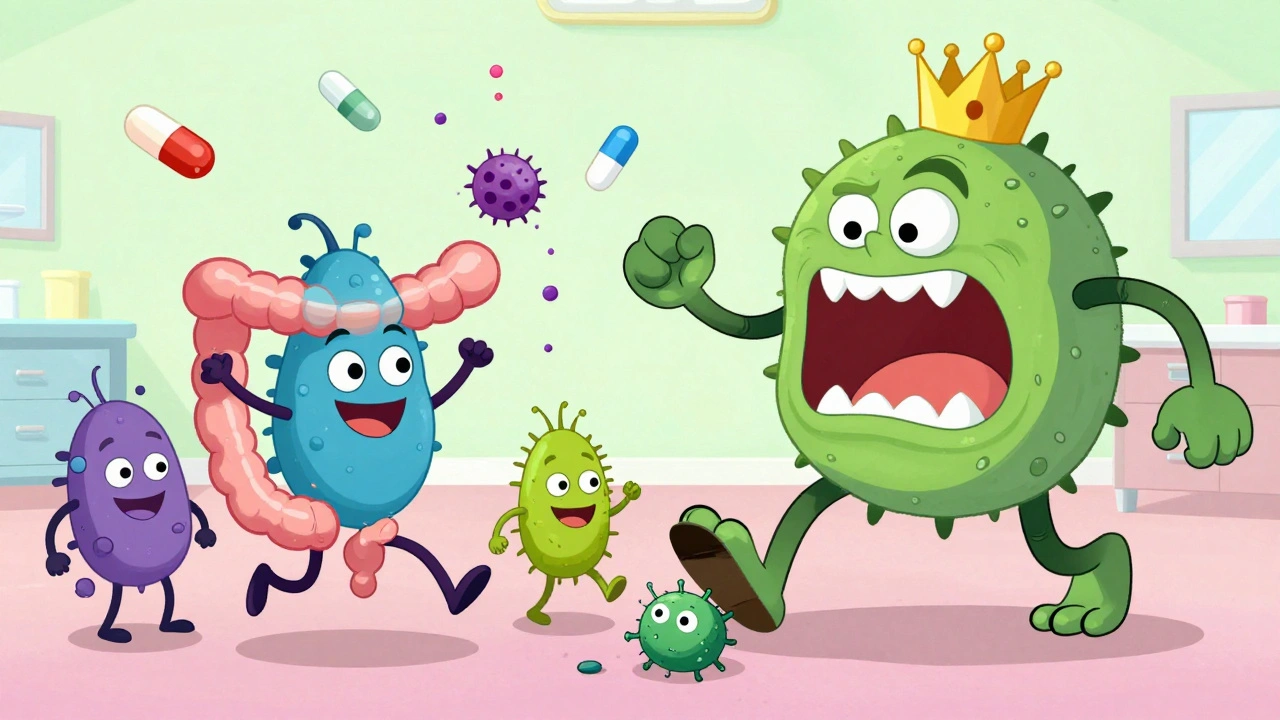
One of the most dangerous outcomes of antibiotic misuse is C. difficile, a gut infection that explodes when good bacteria are wiped out by antibiotics. It causes severe diarrhea, hospitalization, and can be deadly—especially in older adults. Studies show that nearly half of all C. difficile cases are linked to antibiotic use. And here’s the kicker: you don’t need to be in a hospital to get it. Taking antibiotics at home, even for a simple sinus infection, can set the stage for this infection weeks later. The antibiotics don’t just target the bad bacteria—they wipe out the good ones that keep your gut balanced. And once C. difficile takes hold, it’s hard to kick out.
Antibiotic risks aren’t just about long-term resistance. They’re also about what happens right after you take the pill. Nausea, vomiting, rashes, yeast infections—these are common side effects. But some reactions are worse. Allergic responses can turn deadly in minutes. And mixing antibiotics with other meds? That’s a gamble. For example, some antibiotics mess with your heart rhythm, others weaken the effect of birth control, and a few can cause nerve damage if taken too long. The truth? Most people don’t know what they’re really taking. They think, "It’s just an antibiotic," and skip asking questions. But that’s the exact mindset that fuels the crisis.
You can’t fix this alone, but you can stop making it worse. Don’t pressure your doctor for antibiotics if you have a virus. Don’t save leftover pills for next time. Don’t skip doses or stop early because you "feel better." That’s how resistant strains survive and spread. And if you’re prescribed an antibiotic, ask: "Is this really necessary?" and "What are the risks for me?" Those two questions could save your life—or someone else’s.
Below, you’ll find real, practical guides on how antibiotics go wrong, how superbugs form, why C. difficile is so dangerous, and what you can do to protect yourself and your family. No fluff. No jargon. Just what you need to know to use antibiotics safely—and stop helping create the next public health disaster.
C. diff colitis is a serious infection triggered by antibiotics, causing severe diarrhea and recurring illness. Fecal transplant offers up to 94% cure rates for recurrent cases, restoring gut health where antibiotics fail.