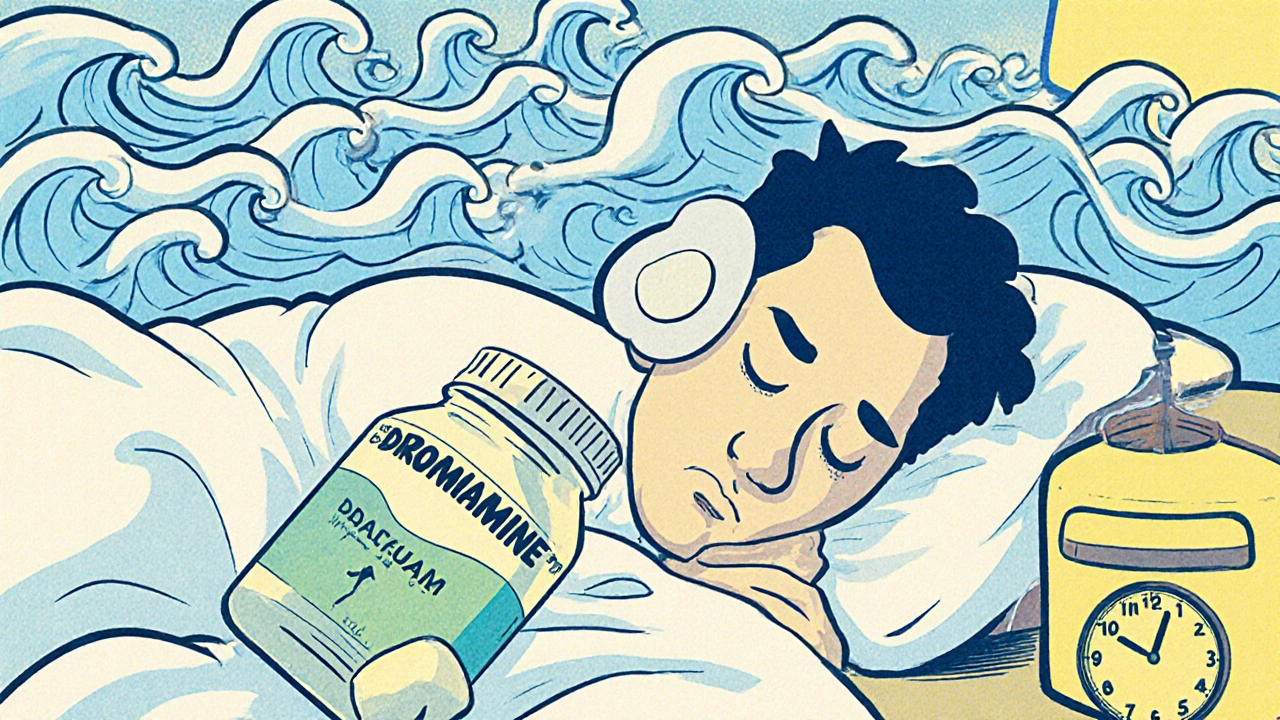
Motion Sickness: Causes, Triggers, and What Actually Works
When your motion sickness, a condition caused by conflicting signals between your eyes, inner ear, and body during movement. Also known as travel sickness, it’s not just feeling a little queasy—it’s your vestibular system, the part of your inner ear that controls balance and spatial orientation throwing a fit because what you see doesn’t match what your body feels.
This isn’t just for people on boats or roller coasters. It happens in cars when you’re reading, on planes when the turbulence hits, or even in virtual reality headsets. Your brain gets confused: your eyes say you’re still, but your inner ear says you’re moving. That mismatch triggers nausea, dizziness, sweating, and sometimes vomiting. It’s not weakness. It’s biology. And it’s way more common than you think—up to one in three people experience it seriously during travel.
Some people swear by ginger chews or wristbands that press on acupressure points. Others rely on over-the-counter pills like dimenhydrinate or meclizine. But not all remedies work the same for everyone. Why? Because motion sickness isn’t one-size-fits-all. It depends on your sensitivity, how long you’re moving, and even how well you slept the night before. If you’ve ever gotten sick on a smooth plane ride while someone next to you is fine, you know this isn’t random. It’s your nervous system reacting in real time.
And here’s the thing: it’s not just about the ride. What you eat before, how much water you drink, and even the air quality in the cabin can make it worse. A heavy meal right before a long drive? Bad idea. Dry cabin air on a flight? That’s another trigger. Even staring at your phone too long in a moving car can tip the scales. It’s not just the motion—it’s the combo.
There’s no magic cure, but knowing what triggers yours helps you avoid it. If you know you get sick in the back seat, sit up front. If screens make it worse, close your eyes or look out the window. Some people find that focusing on the horizon helps their brain sync up with their inner ear. Others need medication—but even then, timing matters. Taking a pill 30 to 60 minutes before you start moving? That’s the sweet spot. Waiting until you feel sick? Too late.
And while most cases go away once the motion stops, some people feel off for hours—or even days. That’s called mal de debarquement, and it’s real. It’s not anxiety. It’s your brain still thinking it’s on a boat after you’ve stepped onto solid ground. It’s rare, but it happens.
Below, you’ll find real, tested advice from people who’ve dealt with this daily—whether they’re frequent flyers, cruise travelers, or parents driving kids on road trips. No fluff. No myths. Just what works, what doesn’t, and how to stay in control when the world starts moving around you.
Scopolamine is the most effective motion sickness medication, but its powerful sedative effects can be dangerous when mixed with alcohol, sleep aids, or CBD. Learn how to use it safely - and what alternatives work better for you.