Generic Drug Approval: What It Means and Why It Matters
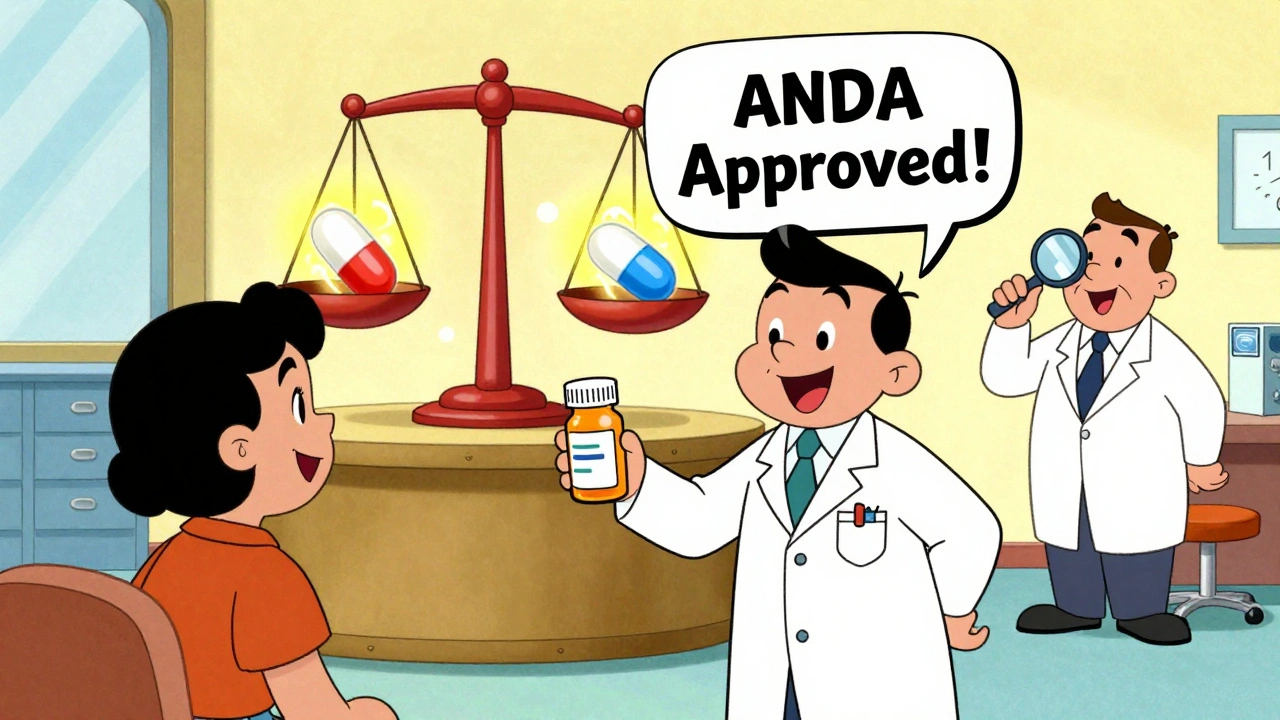
When you hear generic drug approval, the process the FDA uses to confirm that a generic medication is as safe and effective as its brand-name counterpart. Also known as ANDA approval, it’s the backbone of affordable healthcare in the U.S. This isn’t just paperwork—it’s a science-backed gate that keeps millions from overpaying for the same medicine. Every generic pill you pick up at the pharmacy went through this system, and it’s why you can buy lisinopril for $4 instead of $150.
The FDA, the U.S. agency responsible for regulating drugs, medical devices, and food safety doesn’t just accept claims. They demand proof. For a generic to get approved, it must match the brand-name drug in active ingredient, strength, dosage form, and how it’s absorbed by the body. That’s called bioequivalence, the standard that proves a generic delivers the same therapeutic effect as the original. No guesswork. No shortcuts. If the generic doesn’t hit the same blood concentration levels within a narrow range, it gets rejected. In 2024, over 90% of prescriptions filled in the U.S. were generics—and almost all of them passed this strict test.
But approval doesn’t end at the lab. The drug manufacturing, the process of producing medications under strict quality control standards matters just as much. The FDA inspects factories—often overseas—where active ingredients are made. Most come from just two countries, and if a plant fails inspection, supply chains break. That’s why you hear about shortages. It’s not that the drug doesn’t work—it’s that no one’s making it right. The system works when it’s funded and monitored. When it’s not, patients pay the price.
Some people worry generics are cheaper because they’re lower quality. That’s a myth. The FDA holds them to the same standards. The difference? No marketing, no fancy packaging, no patent fees. The active ingredient is identical. The fillers might look different—color, shape, size—but that’s for trademark reasons, not performance. You’re not getting a downgrade. You’re getting the same result, for a fraction of the cost.
What you’ll find below are real stories from people who’ve used generics, explored differences between manufacturers, faced shortages, or dealt with side effects that had nothing to do with the drug itself. You’ll see how pill appearance can confuse patients, why some generics work better for certain people, and how manufacturing flaws can ripple through the system. These aren’t theory pieces. They’re practical, real-world insights from people who’ve lived this. Whether you’re saving money, managing a chronic condition, or just trying to understand what’s in your medicine, this collection cuts through the noise.
Learn how the FDA authorizes generic drugs under the Hatch-Waxman Act, the science behind bioequivalence, the approval timeline, and why generics are safe, effective, and up to 85% cheaper than brand-name drugs.