COVID-19 vaccines: What they are, how they work, and what you need to know
When you hear COVID-19 vaccines, medical tools designed to train your immune system to recognize and fight the SARS-CoV-2 virus. Also known as SARS-CoV-2 vaccines, they’re not just shots—they’re the reason hospitalizations and deaths dropped sharply after 2021. These vaccines don’t give you the virus. Instead, they show your body what the virus looks like so it can build defenses without you getting sick.
There are a few main types. mRNA vaccines, like Pfizer and Moderna, deliver genetic instructions that tell your cells to make a harmless piece of the virus spike protein. Your immune system sees that protein, learns to attack it, and remembers how. vaccine efficacy, the measure of how well a vaccine prevents infection or severe disease in real-world use for these started above 90% in early trials. Even as new variants emerged, they still cut hospital risk by 70-90% in most people. Other vaccines, like Johnson & Johnson and AstraZeneca, use harmless viruses to carry the same spike protein instructions. They’re less effective at preventing mild cases but still strong at stopping serious illness.
Side effects? Most people feel tired, sore at the injection site, or get a low fever for a day or two. That’s your immune system doing its job. Serious reactions are rare. Myocarditis, an inflammation of the heart muscle, showed up mostly in young men after the second mRNA dose—but it’s far less common than heart damage from COVID itself. The risk of blood clots from viral vector vaccines is also extremely low, and doctors now know how to spot and treat it fast.
Booster shots? Yes, they matter. Protection from the first series fades over time, especially against new strains. Boosters restore that protection. For older adults and people with weak immune systems, extra doses are critical. The CDC doesn’t recommend yearly shots for everyone yet, but if you’re over 65, have diabetes, or take immunosuppressants, staying up to date is one of the smartest things you can do.
What about long-term effects? After billions of doses given worldwide, no hidden dangers have shown up. The science behind mRNA vaccines has been studied for over 20 years. These weren’t rushed—they were fast-tracked because governments funded development in parallel, not because safety was skipped. If something dangerous were going to appear, we’d have seen it by now.
And here’s what you won’t hear from every source: vaccines don’t just protect you. They protect your parents, your coworkers, your neighbor with asthma. Every shot reduces the chance the virus will spread, mutate, or land in someone who can’t fight it. That’s not just science—it’s community.
Below, you’ll find real, no-fluff guides on how these vaccines interact with other meds, what to expect after getting them, and how to tell if what you’re feeling is normal or something to worry about. No speculation. Just facts from people who’ve seen the data.
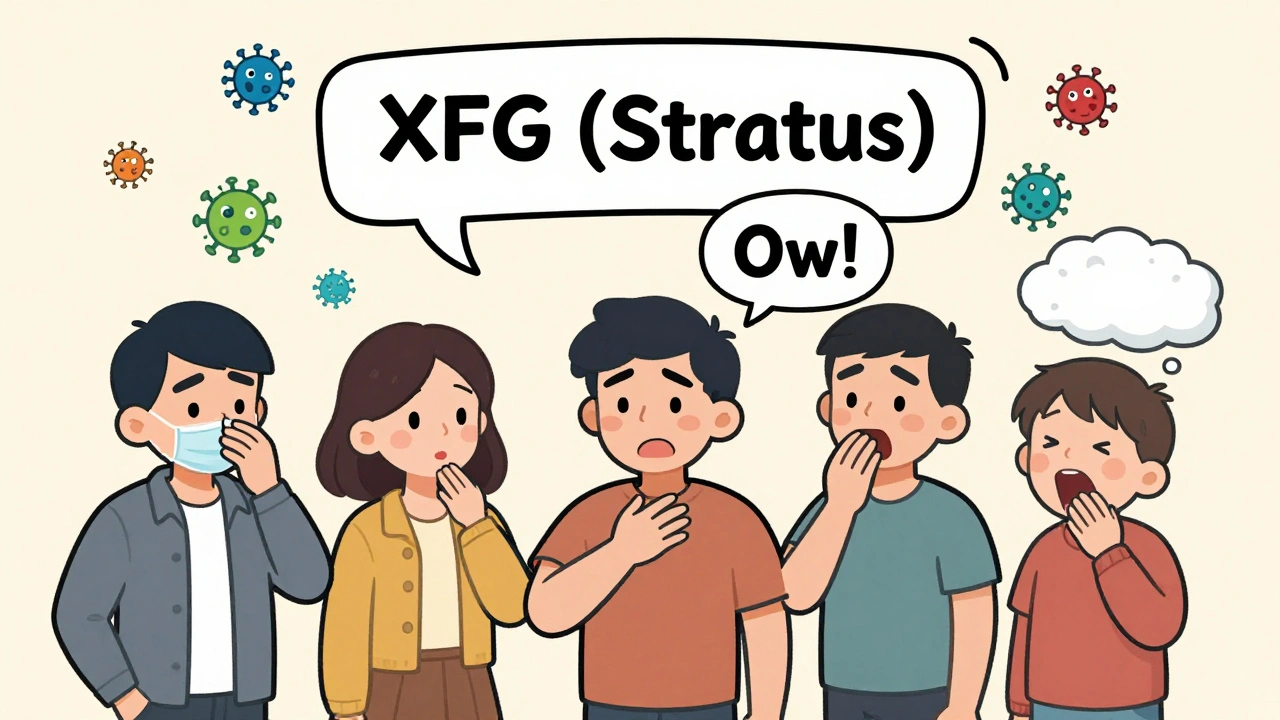
In 2025, COVID-19 symptoms resemble a bad cold, with XFG (Stratus) as the dominant variant. Updated vaccines target KP.2 and JN.1, preventing severe illness. Treatments like Paxlovid remain effective for high-risk groups, and long COVID still affects 20% of survivors.