COVID-19 Treatment: What Works, What Doesn’t, and What You Need to Know
When it comes to COVID-19 treatment, the medical approaches used to manage infection, reduce severity, and prevent hospitalization in people with SARS-CoV-2. Also known as coronavirus therapy, it’s no longer just about resting and waiting it out. The tools we have today are precise, powerful, and backed by real data — if you know which ones to use and when.
Antiviral drugs, medications that block the virus from multiplying inside your body like Paxlovid and molnupiravir are now first-line options for high-risk patients. Paxlovid, for example, cuts the risk of hospitalization by nearly 90% when taken within five days of symptoms. But it’s not for everyone — interactions with common heart and cholesterol meds can be dangerous. That’s why you need a doctor’s guidance, not a Google search.
Monoclonal antibodies, lab-made proteins that mimic your immune system’s ability to fight off the virus used to be a game-changer. But as the virus evolved, most lost effectiveness. Today, only a few still work against newer strains — and they’re given by infusion, not pills. Meanwhile, oxygen therapy, supporting breathing when lungs struggle to deliver enough oxygen remains critical for severe cases. Hospitals use nasal cannulas, masks, or even ventilators — not because they’re curing the virus, but because they’re keeping people alive while their bodies fight.
What’s missing from headlines? Post-COVID care, the long-term management of symptoms like fatigue, brain fog, and heart palpitations that linger after the infection clears. Millions still deal with this. There’s no magic pill, but structured rehab programs — breathing exercises, graded activity, and mental health support — show real results. And yes, some people need blood thinners long after recovery, not because they’re still infected, but because their blood stays too thick.
Don’t fall for the noise. Steroids? Only for hospitalized patients with low oxygen. Ivermectin? No credible evidence it helps. Hydroxychloroquine? Shown to do nothing in large trials. The science is clear: early antivirals, timely oxygen, and smart follow-up care are what actually move the needle.
Below, you’ll find real-world breakdowns of drug interactions, safety risks, and treatment strategies that actually matter — from how antibiotics can backfire in COVID patients to why some people need blood tests weeks after they feel fine. These aren’t theories. They’re lessons from clinics, ERs, and patient records.
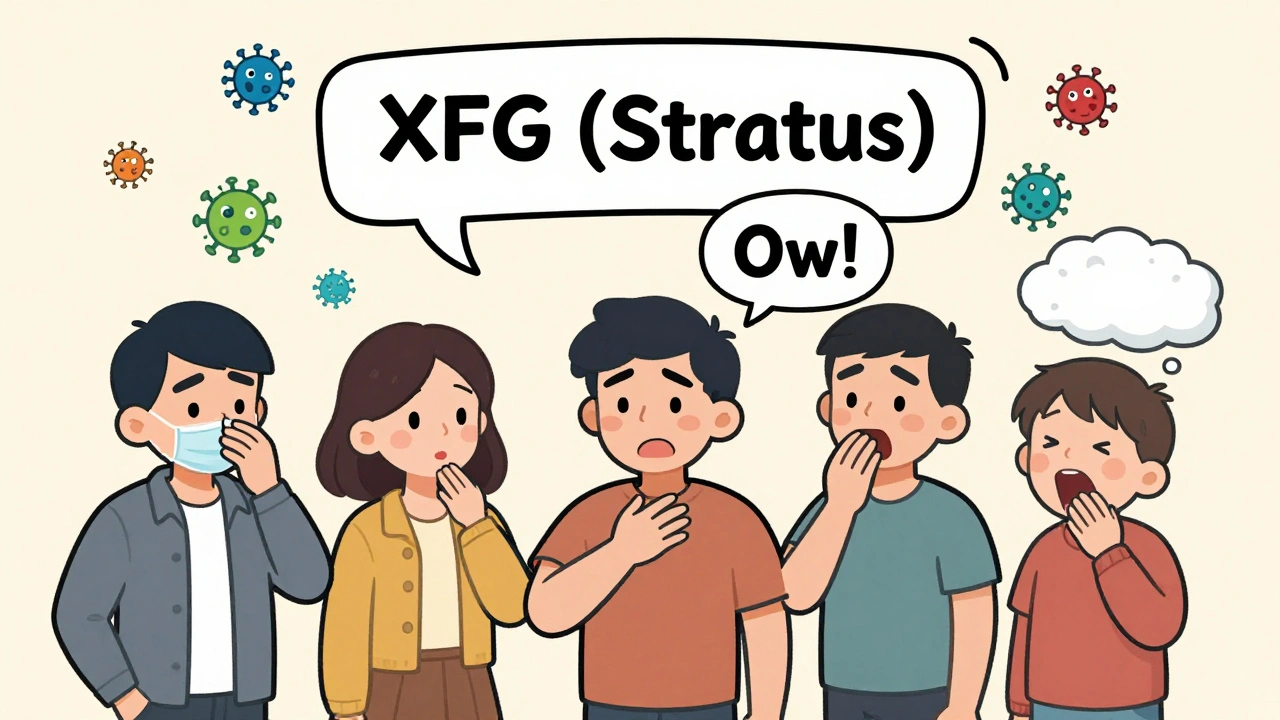
In 2025, COVID-19 symptoms resemble a bad cold, with XFG (Stratus) as the dominant variant. Updated vaccines target KP.2 and JN.1, preventing severe illness. Treatments like Paxlovid remain effective for high-risk groups, and long COVID still affects 20% of survivors.