Fecal Transplant: What It Is, How It Works, and Why It Matters
When you hear fecal transplant, a medical procedure where stool from a healthy donor is transferred to a patient to restore healthy gut bacteria. Also known as fecal microbiota transplantation, it’s not as strange as it sounds—it’s one of the most effective ways to treat recurring C. difficile, a dangerous bacterial infection that causes severe diarrhea and can be life-threatening after antibiotic use. This isn’t science fiction. It’s science that works, especially when drugs fail.
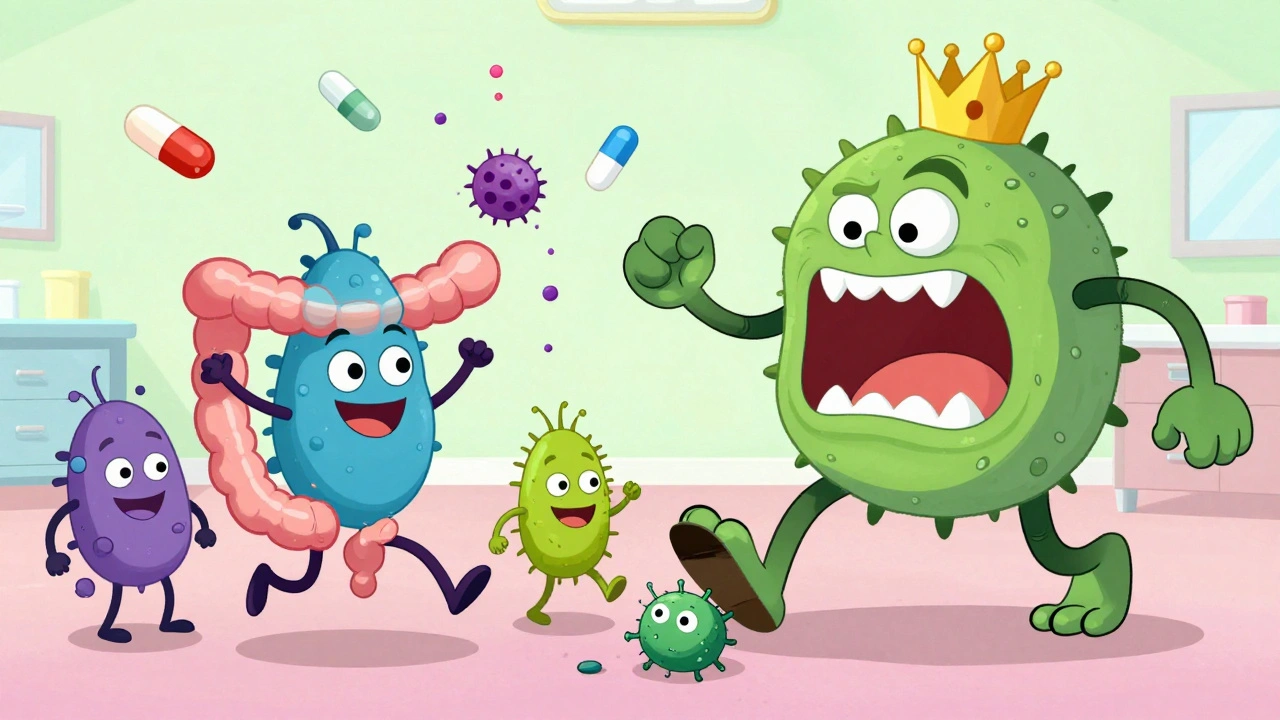
The real magic behind fecal transplant lies in the gut microbiome, the trillions of bacteria, viruses, and fungi living in your intestines that control digestion, immunity, and even mood. Antibiotics don’t just kill bad bugs—they wipe out the good ones too. When that balance breaks, C. difficile takes over. A fecal transplant rebuilds that lost ecosystem. Studies show it cures over 90% of recurring C. difficile cases, far better than antibiotics alone. It’s not just about replacing poop—it’s about restoring a whole system that keeps you healthy.
While C. difficile is the most common reason for fecal transplants, researchers are now testing it for other conditions linked to gut imbalance—like inflammatory bowel disease, irritable bowel syndrome, and even metabolic disorders. It’s not a cure-all, but it’s proving that your gut isn’t just a digestive tube. It’s a living organ that talks to your brain, your immune system, and your overall health. That’s why microbiome therapy, the broader category of treatments that use microbial communities to fix health problems is becoming a major focus in medicine.
You’ll find posts here that dig into how fecal transplants are done, who qualifies, what the risks are, and how they compare to newer options like encapsulated pills instead of colonoscopies. You’ll also see how gut health ties into other topics—like antibiotic overuse, drug interactions, and even how social media is changing patient education around these treatments. This isn’t just about poop. It’s about understanding the invisible ecosystem inside you—and how fixing it can change everything.
C. diff colitis is a serious infection triggered by antibiotics, causing severe diarrhea and recurring illness. Fecal transplant offers up to 94% cure rates for recurrent cases, restoring gut health where antibiotics fail.