Learn how to ask your doctor for a cheaper, equally effective medication alternative. Save hundreds per month with proven strategies, real examples, and free tools to reduce prescription costs without risking your health.
Mixing alcohol with sleep medications like Ambien or Lunesta can cause dangerous sedation, respiratory failure, and memory loss. No amount is safe. Here’s what you need to know to protect yourself.
Learn how DEA schedule codes on prescription labels determine how medications are prescribed, refilled, and tracked. Understand the differences between Schedule II and V drugs, why the same medicine can be in multiple schedules, and what’s changing in 2025.
Seniors need personalized kidney function checks to avoid dangerous drug doses. Learn which eGFR equations work best for older adults, when to ask for cystatin C, and how to ensure safe medication use.
The Orange Book database is the FDA's official record of approved small-molecule drugs, their patents, and therapeutic equivalence ratings-key to understanding how generic drugs enter the market and save billions in healthcare costs.
Generational attitudes toward generic medications reveal deep psychological divides. Older adults often distrust generics due to brand loyalty and outdated perceptions, while younger generations prioritize cost and evidence. Understanding these differences is key to improving medication adherence and reducing healthcare costs.
Most medications are safe while breastfeeding. Learn which pain relievers, antidepressants, antibiotics, and allergy drugs are backed by evidence - and which ones to avoid. Stop unnecessary weaning with trusted, science-based guidance.
Many gastrointestinal medications fail to work because of absorption problems in the gut. Factors like food, disease, pH changes, and drug formulation affect bioavailability-making some pills ineffective even when taken correctly.
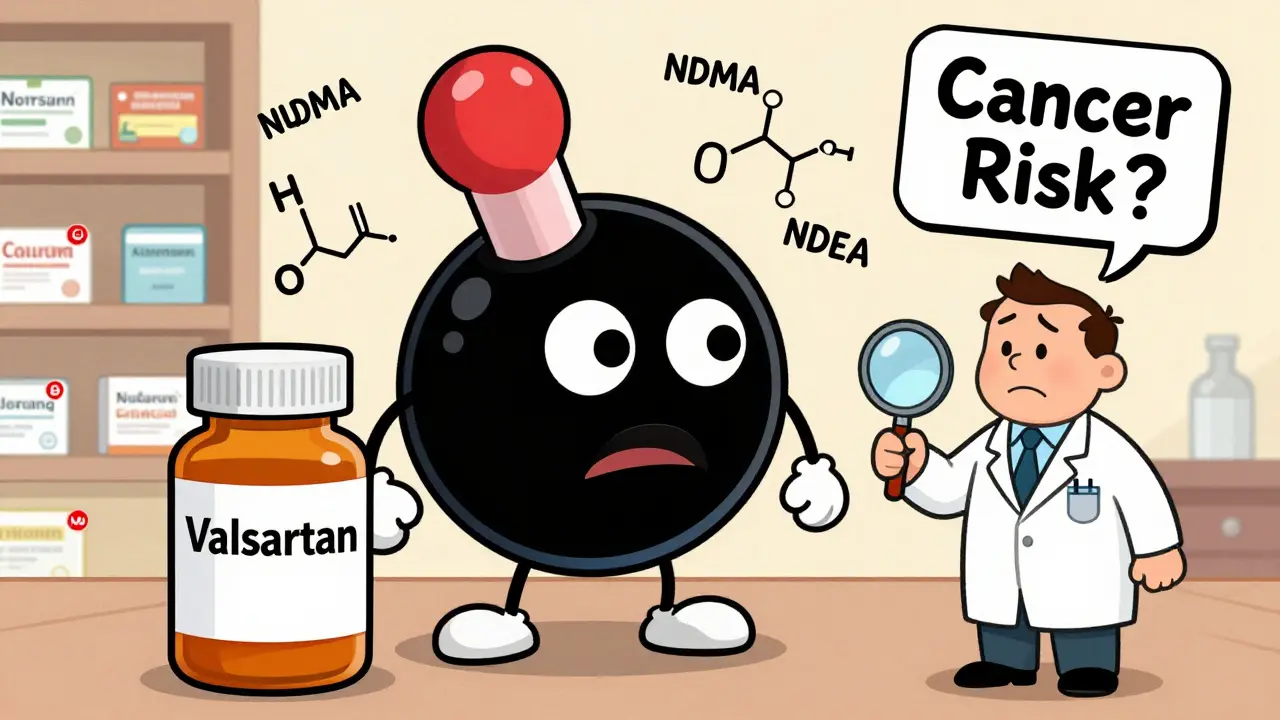
Nitrosamine contamination in generic drugs has led to over 500 recalls since 2018. Learn how these carcinogenic impurities form, which drugs were affected, and what the FDA is doing to protect patients.
Chronic Fatigue Syndrome (ME/CFS) is a real neuroimmune disorder marked by post-exertional malaise, brain abnormalities, and metabolic dysfunction. Pacing is the only proven management strategy. Learn the clinical evidence, diagnostic criteria, and how to live within your energy limits.