Generic drugs are available worldwide, but prices, quality, and usage vary dramatically by country. Why do Americans pay more for the same pills? And why do some nations avoid generics entirely?
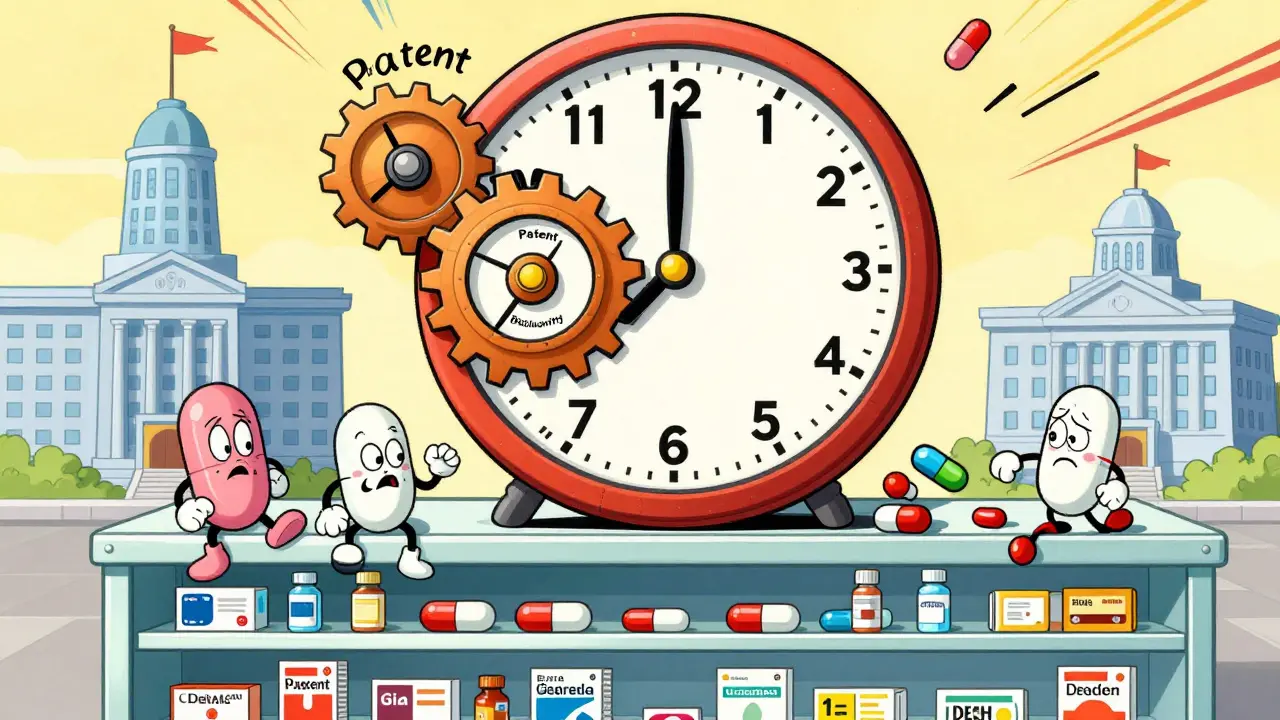
Patent exclusivity and market exclusivity are two separate legal tools that protect drugs in the U.S. One comes from the patent office, the other from the FDA. Understanding the difference explains why some drugs stay expensive for decades.
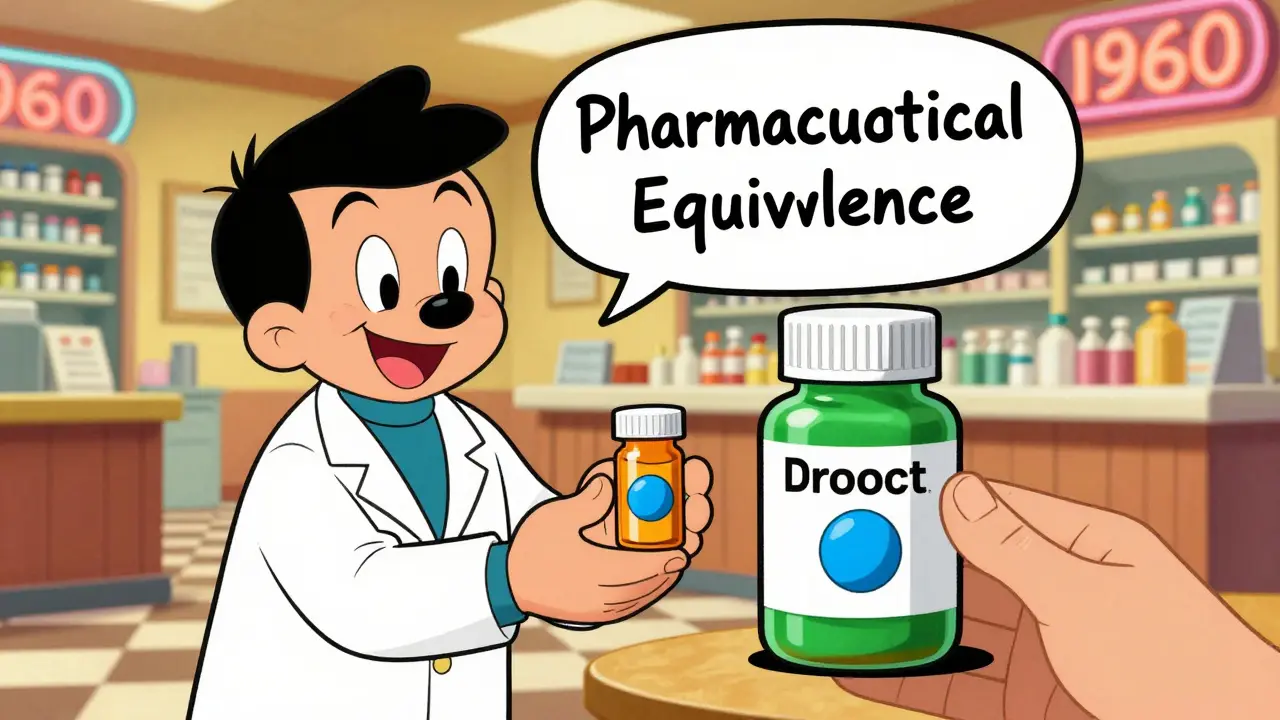
Pharmaceutical equivalence ensures generic drugs have the same active ingredient and dose as brand-name versions. But it doesn't guarantee they work the same in your body. Here's what you need to know to use generics safely.
Dextromethorphan in common cough syrups can trigger serotonin syndrome when mixed with MAOIs - a potentially fatal interaction. Learn the risks, symptoms, and safe alternatives.
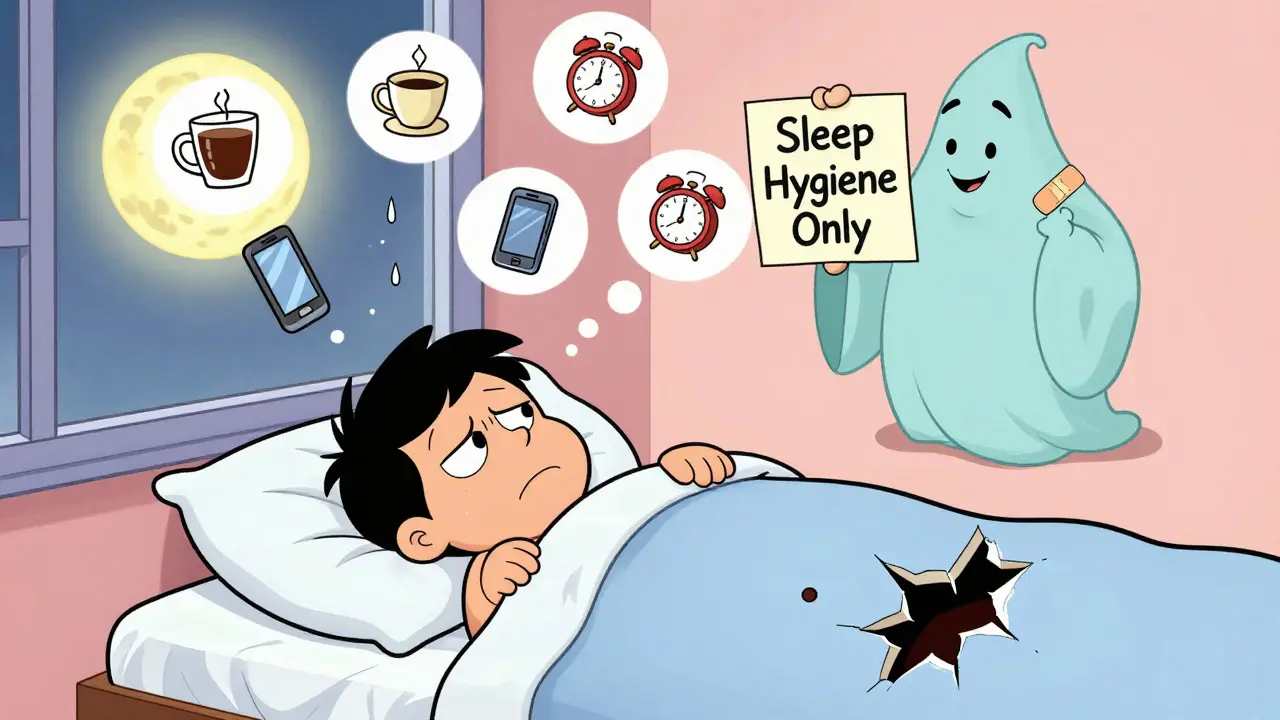
Chronic insomnia isn't solved by just avoiding caffeine or turning off screens. Learn why CBT-I is the only proven long-term solution-and how to start it, even without a therapist.
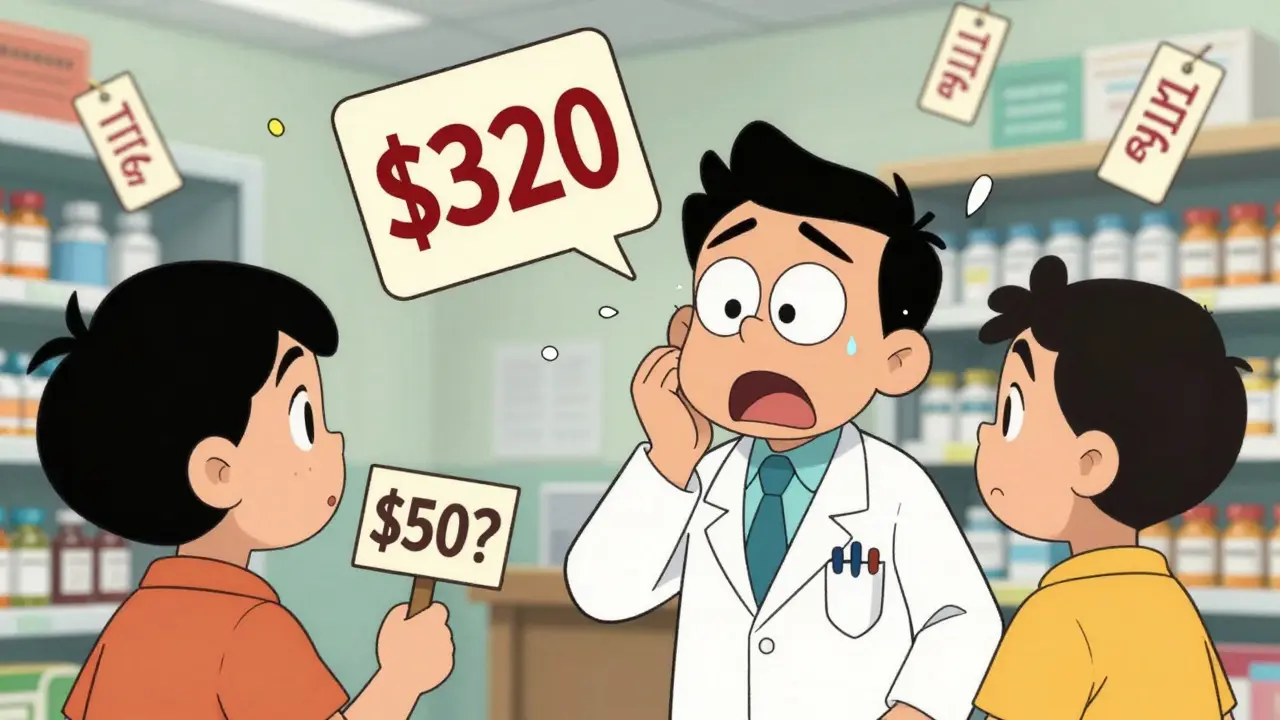
Most clinicians underestimate or overestimate drug prices, leading to poor prescribing decisions. Real-time cost tools in EHRs are changing that-but adoption remains low. Here’s what doctors need to know-and what systems must do.
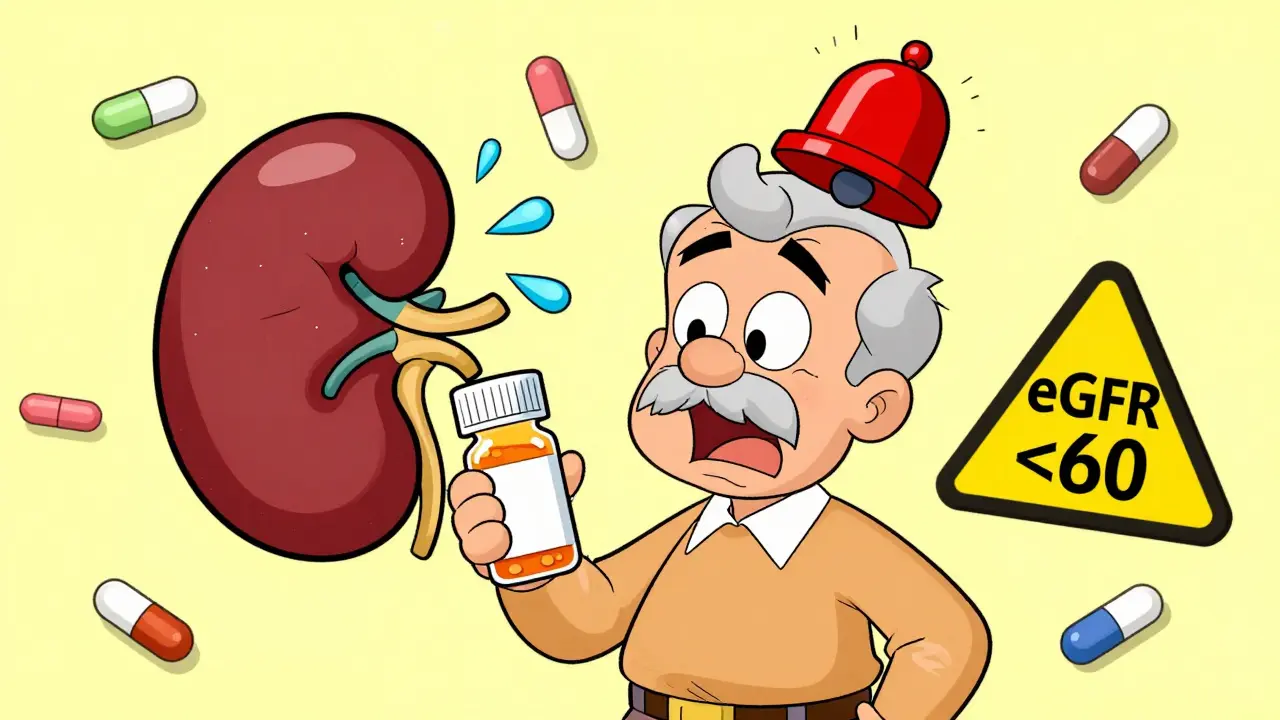
Drug-induced kidney failure is often preventable but rarely recognized. Learn how common medications like NSAIDs and antibiotics can damage kidneys, what signs to watch for, and the 5-step plan to protect your kidney health before it's too late.
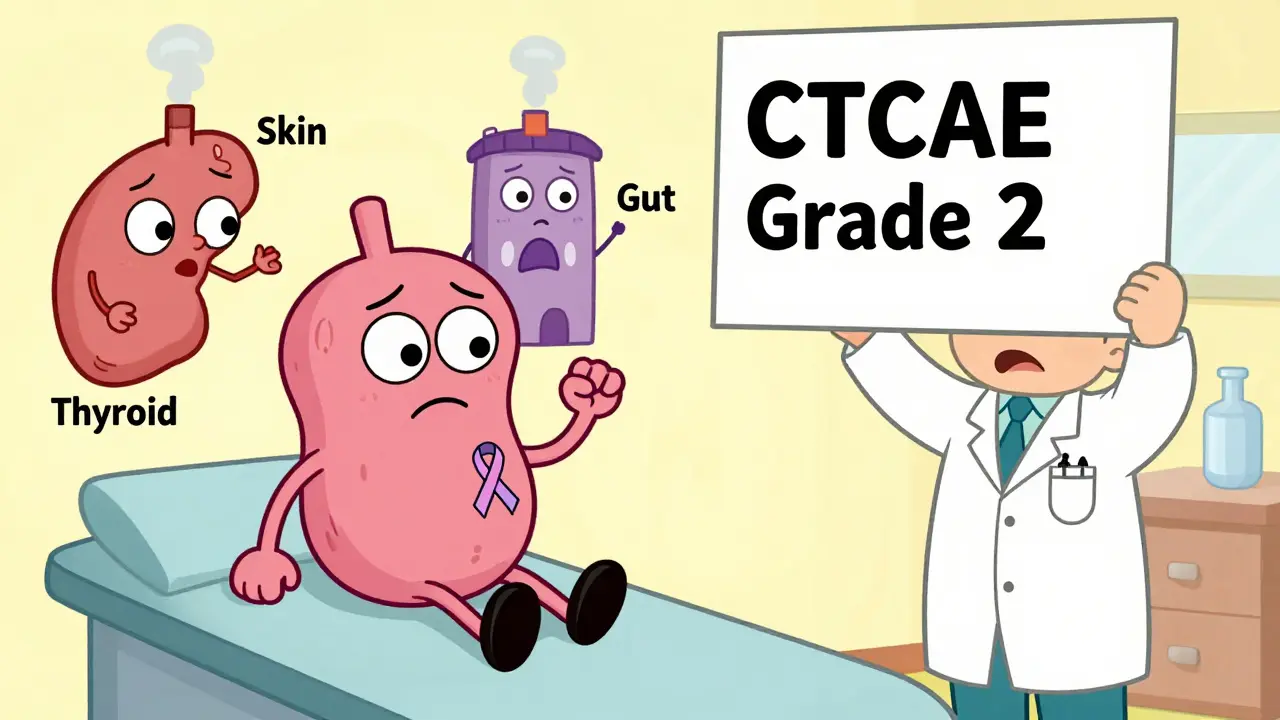
Immune-related adverse events (irAEs) are serious side effects of cancer immunotherapy that can affect any organ. Learn how to recognize early signs, how doctors treat them with steroids and other drugs, and why quick action saves lives.
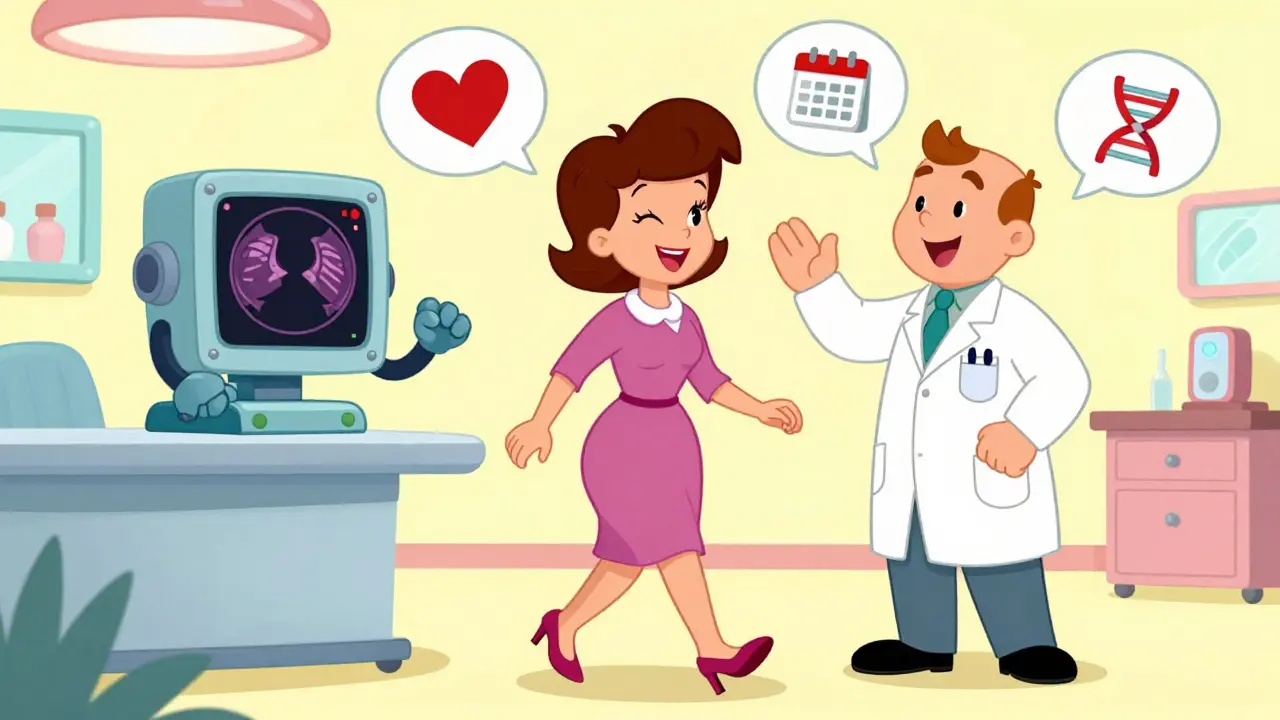
Breast cancer screening with mammography saves lives. Learn the latest guidelines on when to start, how often to get screened, and what to expect if you're at higher risk. Understand the difference between 2D and 3D mammograms and how treatment is personalized.
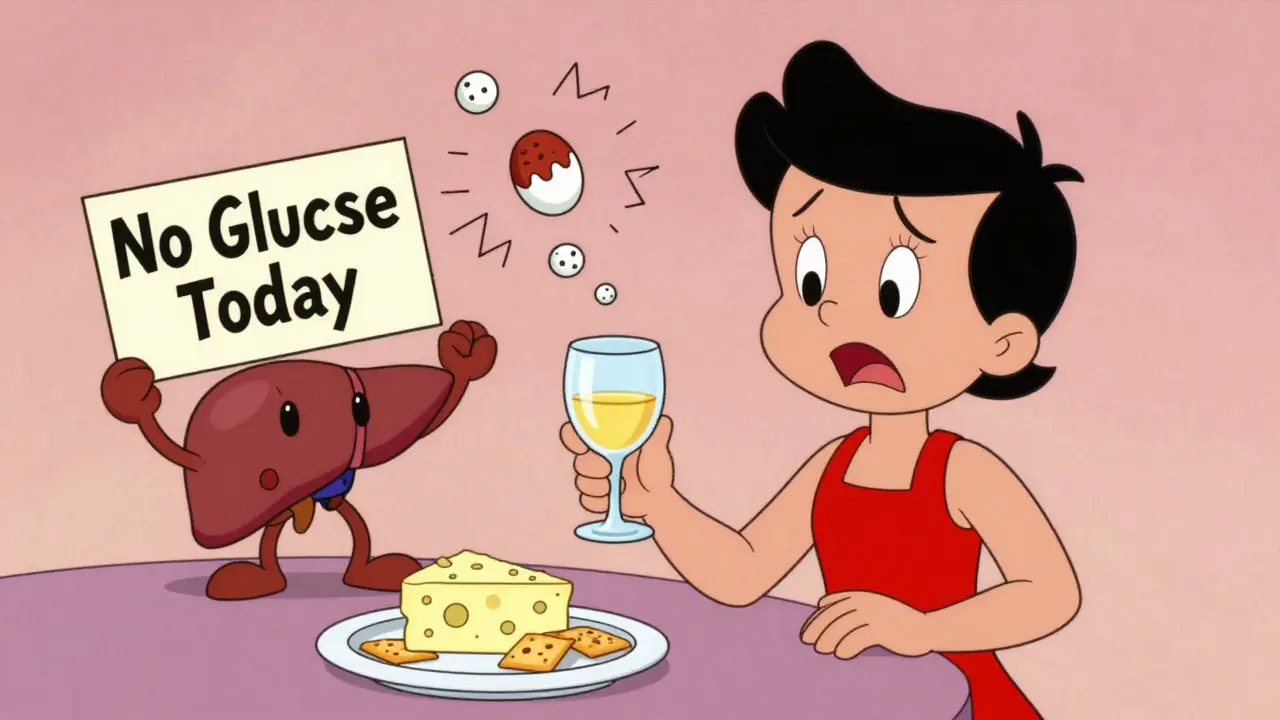
Alcohol can cause dangerous drops in blood sugar for people with diabetes. Learn the safe drinking limits, best drink choices, and essential steps to prevent life-threatening hypoglycemia-backed by current medical guidelines.